25 August 2024
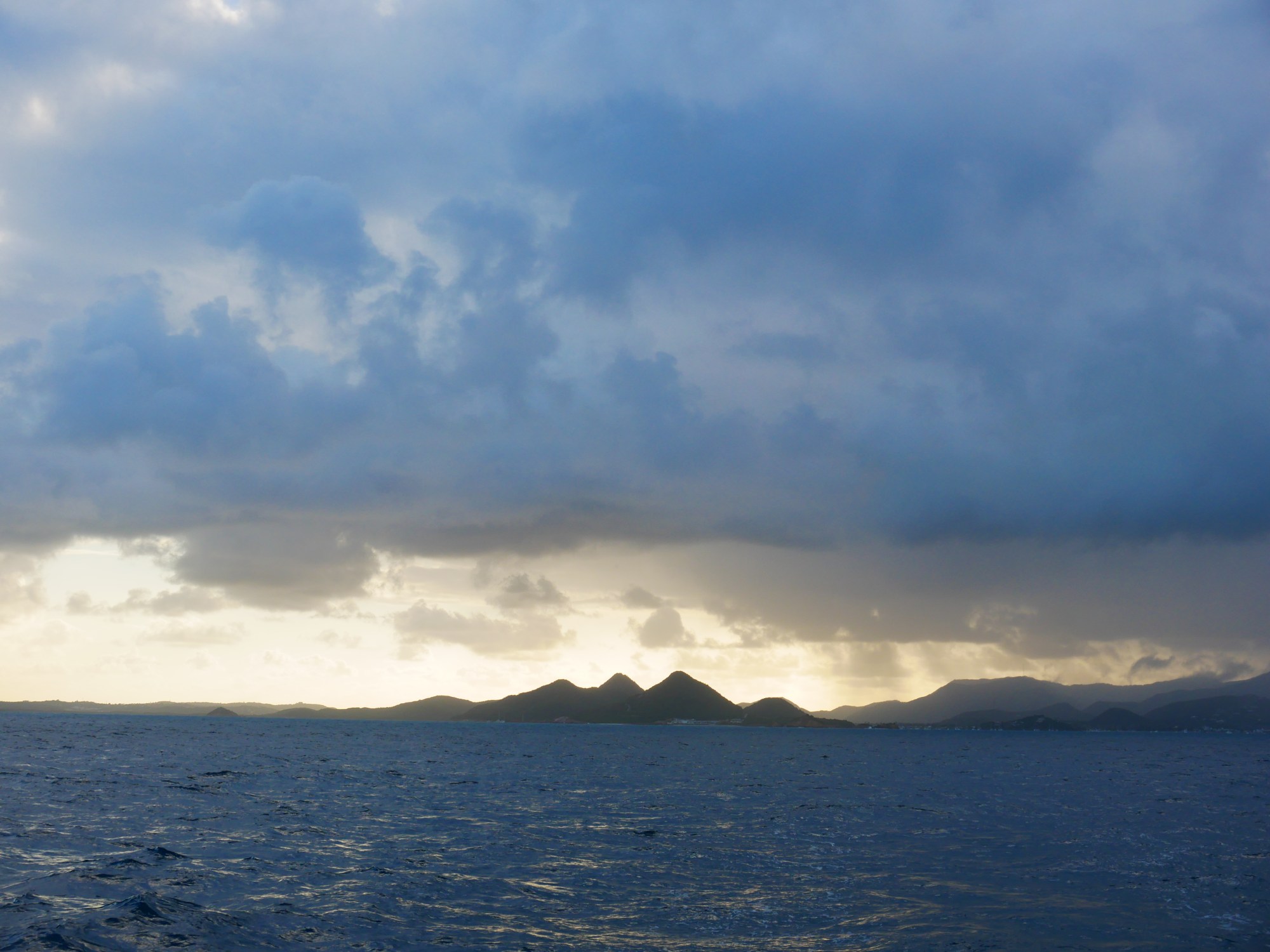
Dark clouds hover, sometimes literally, always metaphorically, in the skies over the Caribbean, partly nature but mostly man made, the twin results of the insatiable greed of humankind and giving rise to a legacy that has created some of the greatest divisions, not just in the Caribbean but all our global societies.
A changing climate
One of the major frustrations about cruising in the Caribbean for us was the ever present threat of hurricane season. It is one of the reasons we found being there so challenging. From early on we felt the constant pressure to keep moving on, taking every weather window to keep on schedule to reach a high enough latitude to satisfy our insurer and, hopefully, keep us out of harm’s way. But the inconvenience to our journey is nothing compared to the impact that hurricanes have in the lives of those who are not just passing through and have to remain in their path.
Our initial introduction to the weather of the Caribbean was greeted with typically British irritation. As soon as we arrived in Saint Lucia is rained and it poured and we turned into complete whinging poms about it. It was unbearable and so steamy to be stuck inside the boat without the hatches open.

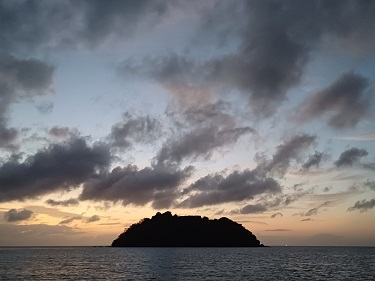
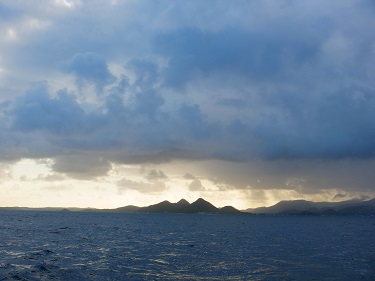
So if you are thinking the Caribbean is all clear blue skies, think again! Even outside of hurricane season, there will be some pretty dramatic skies.

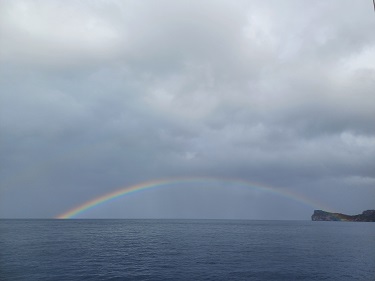
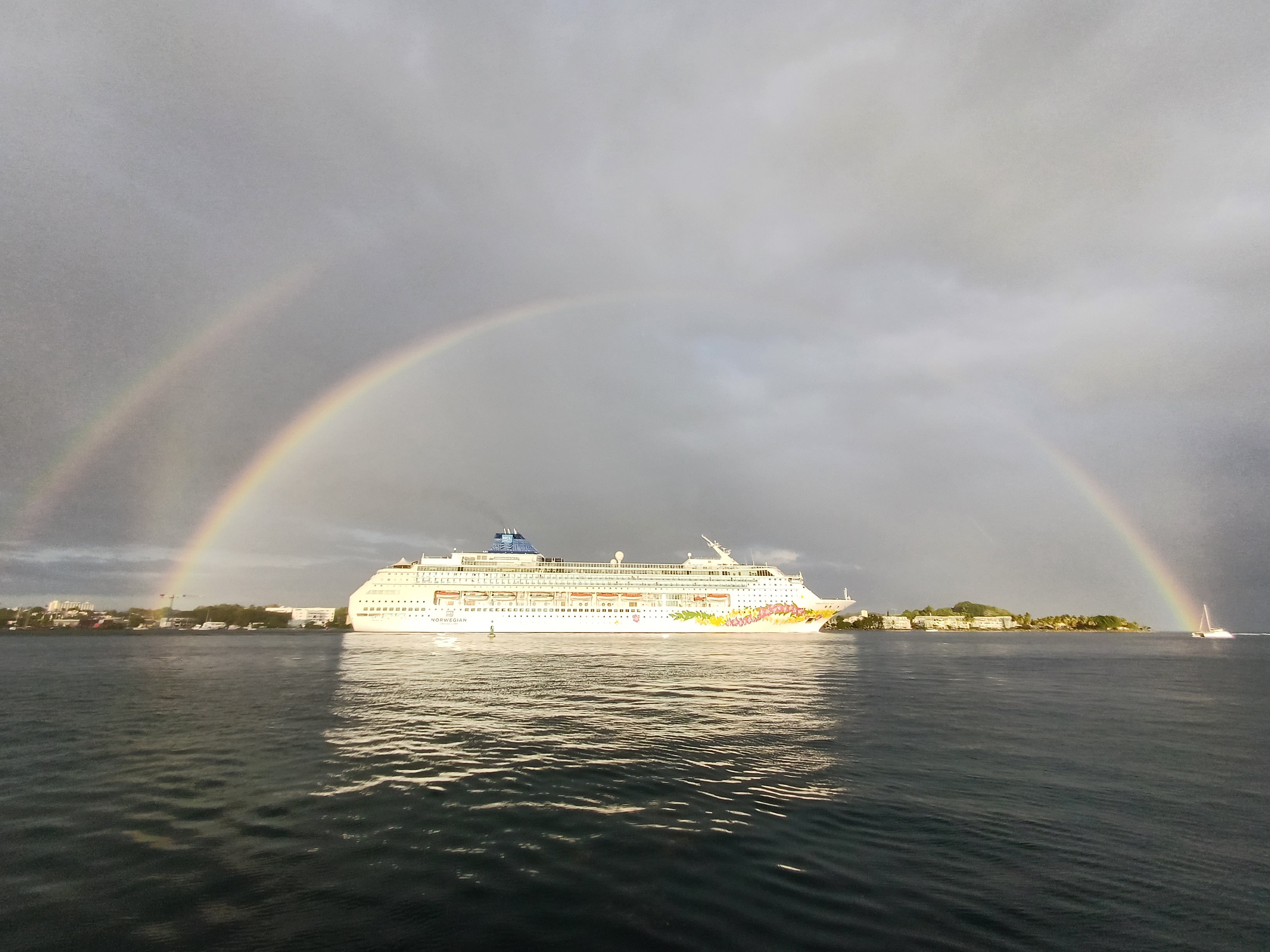
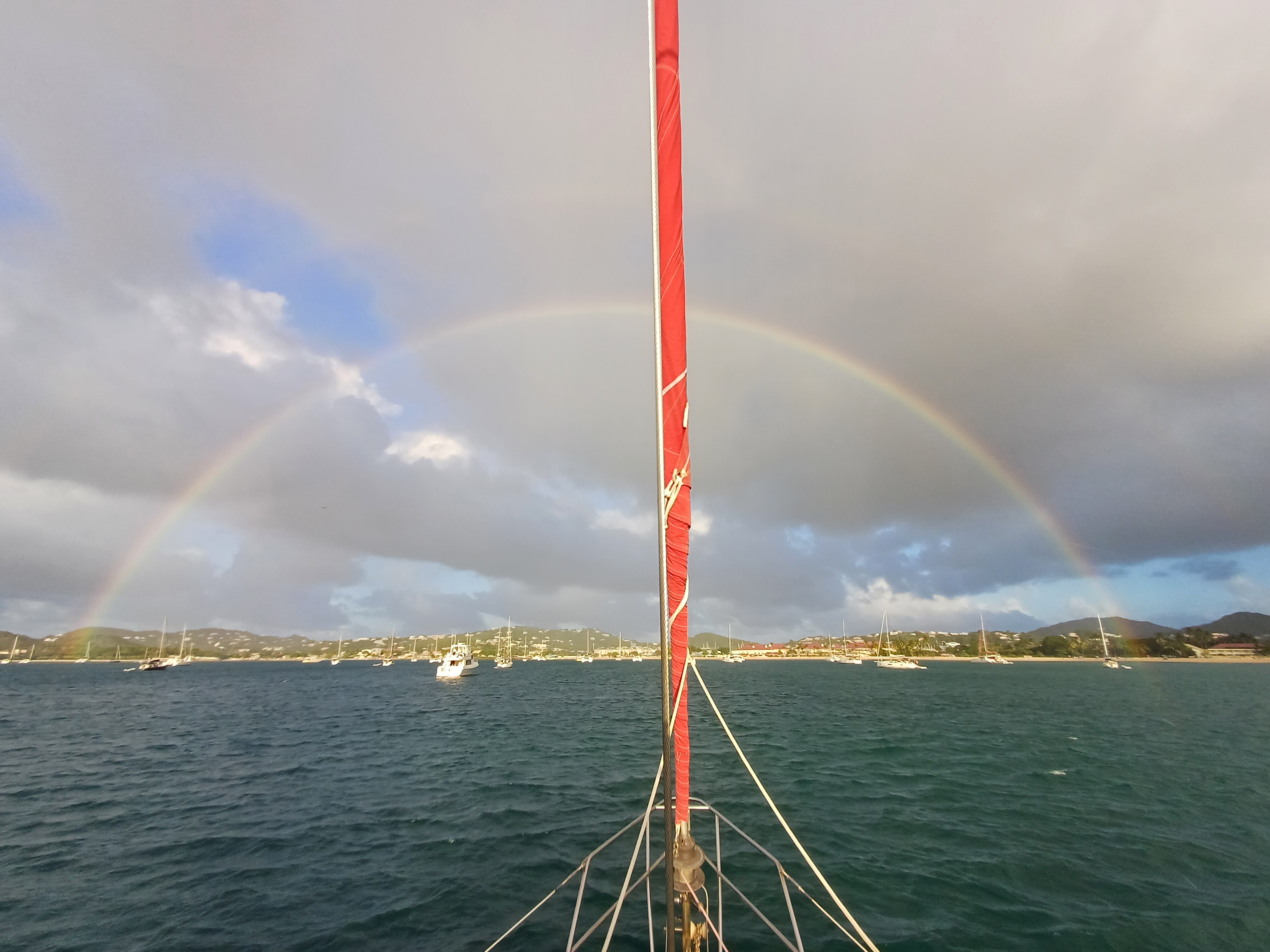
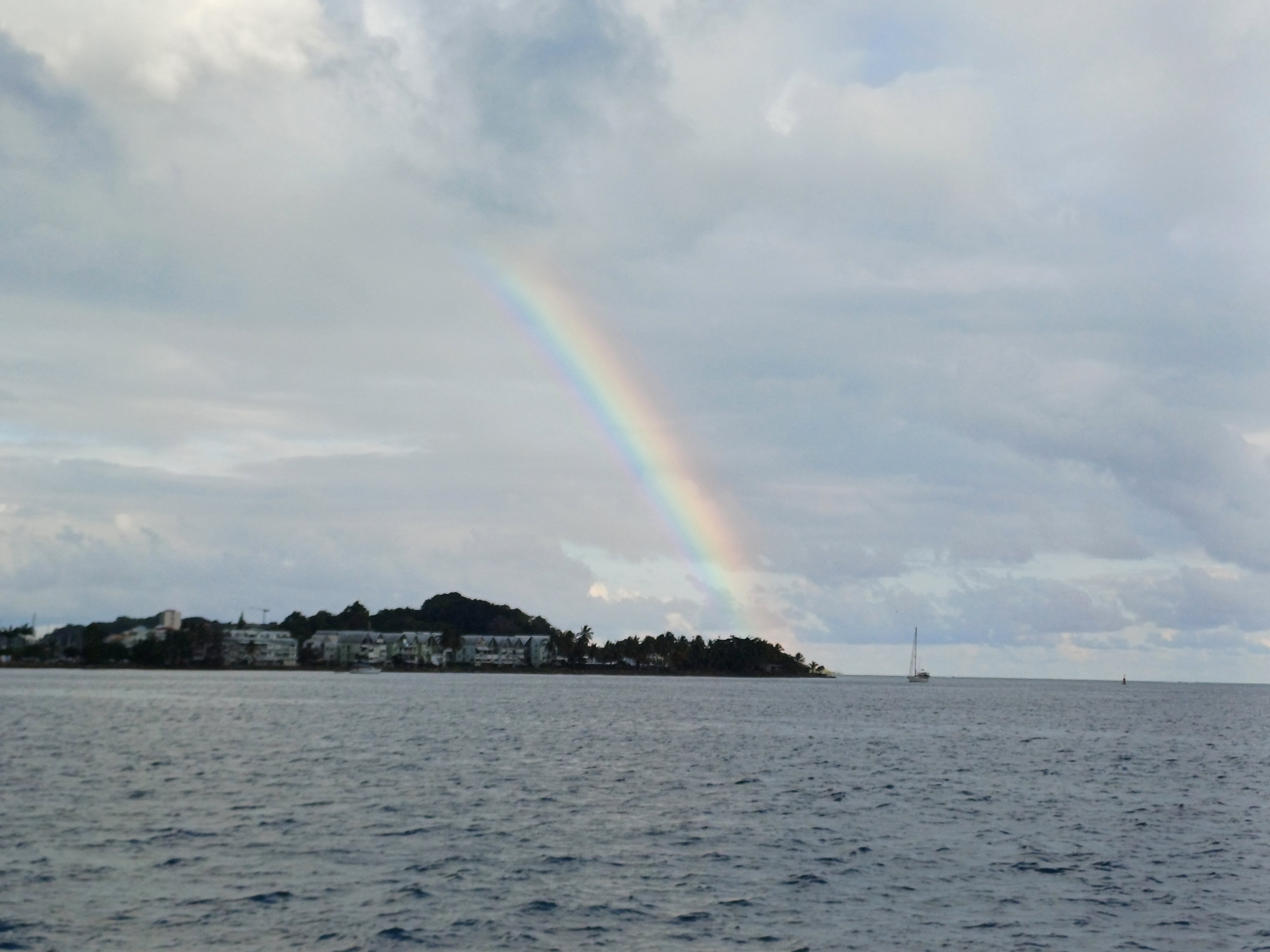
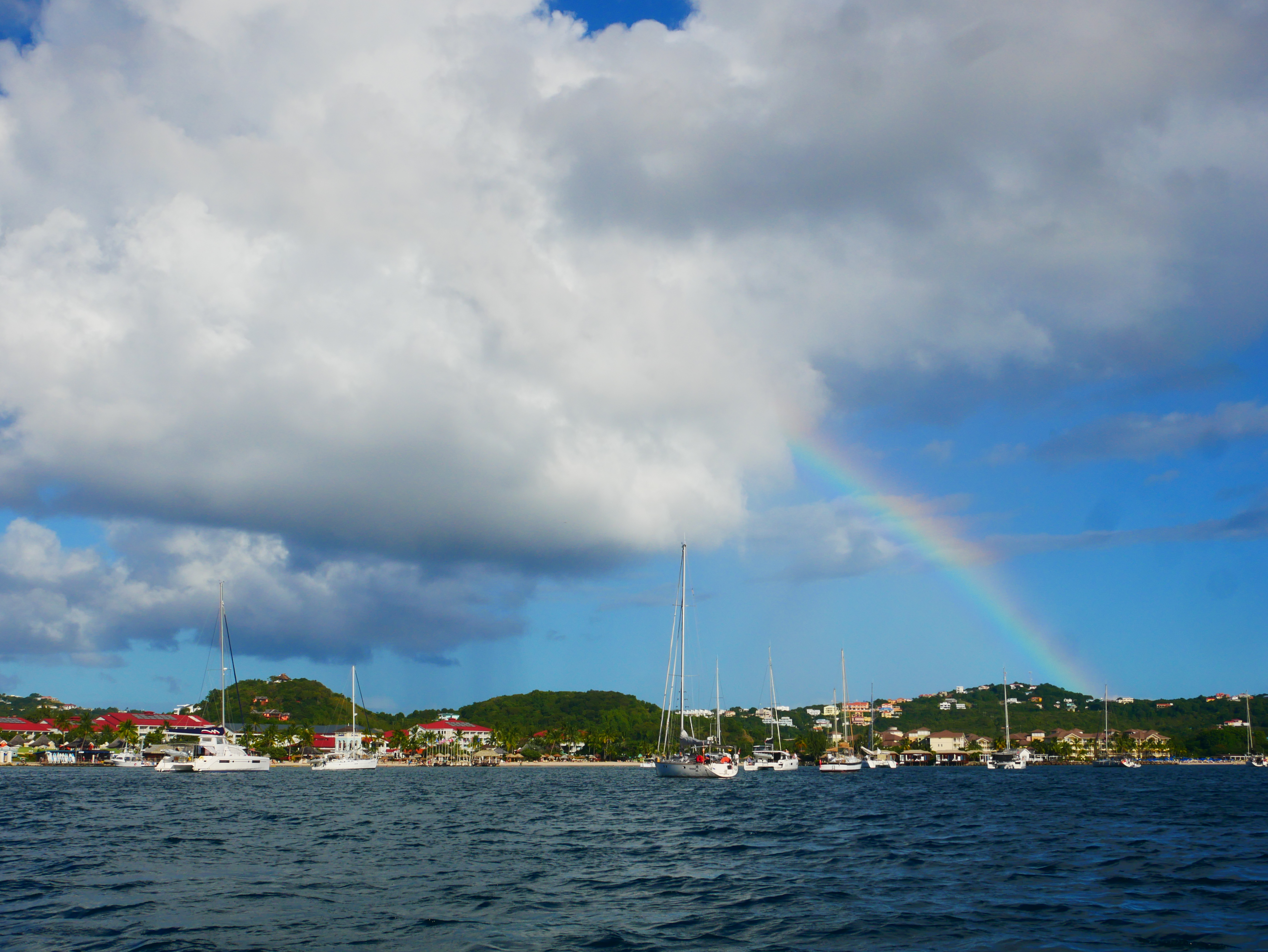
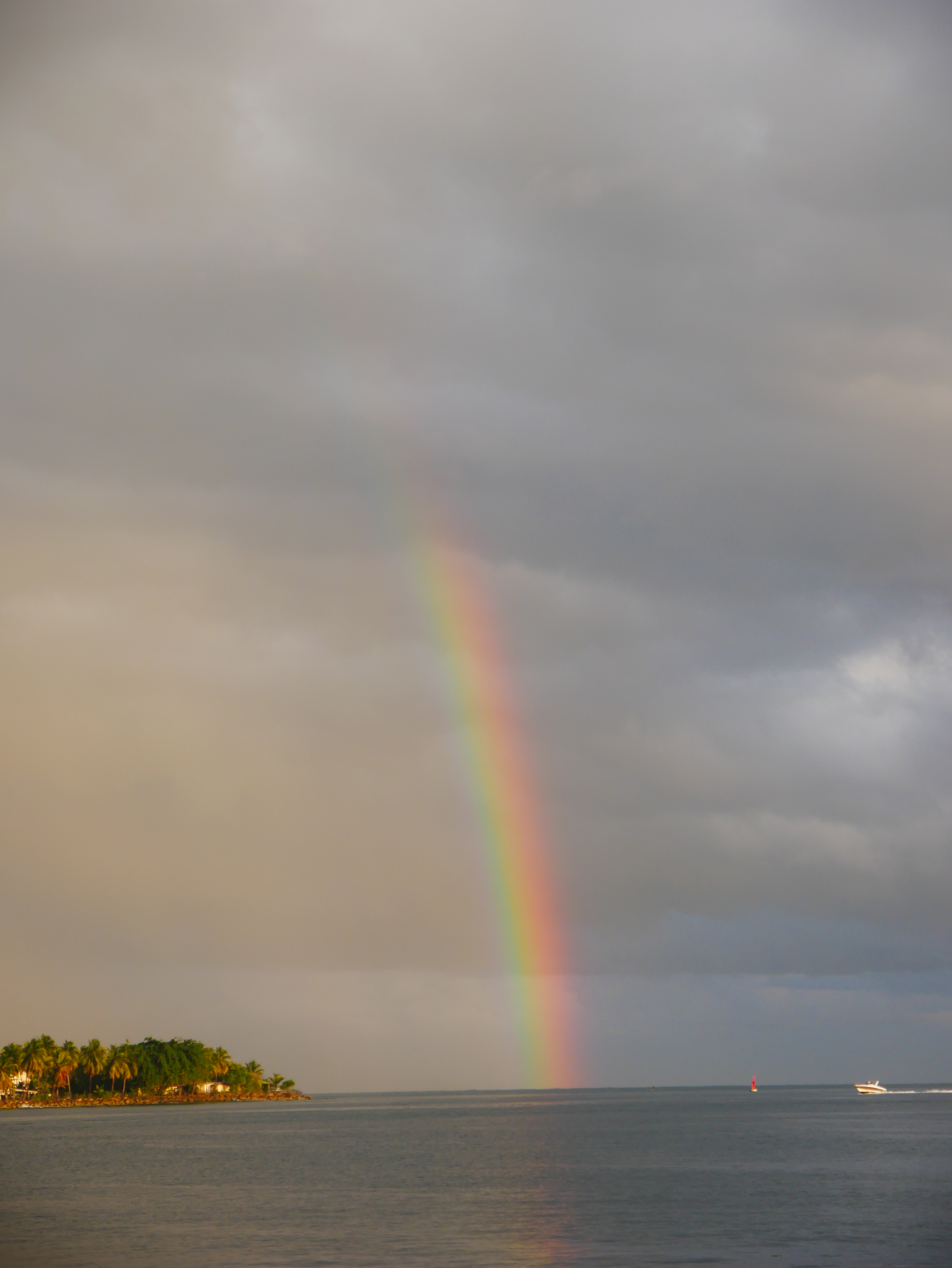
The reward, however, for all that rain is some beautifully lush and green backdrops and the almost constant rainbows.
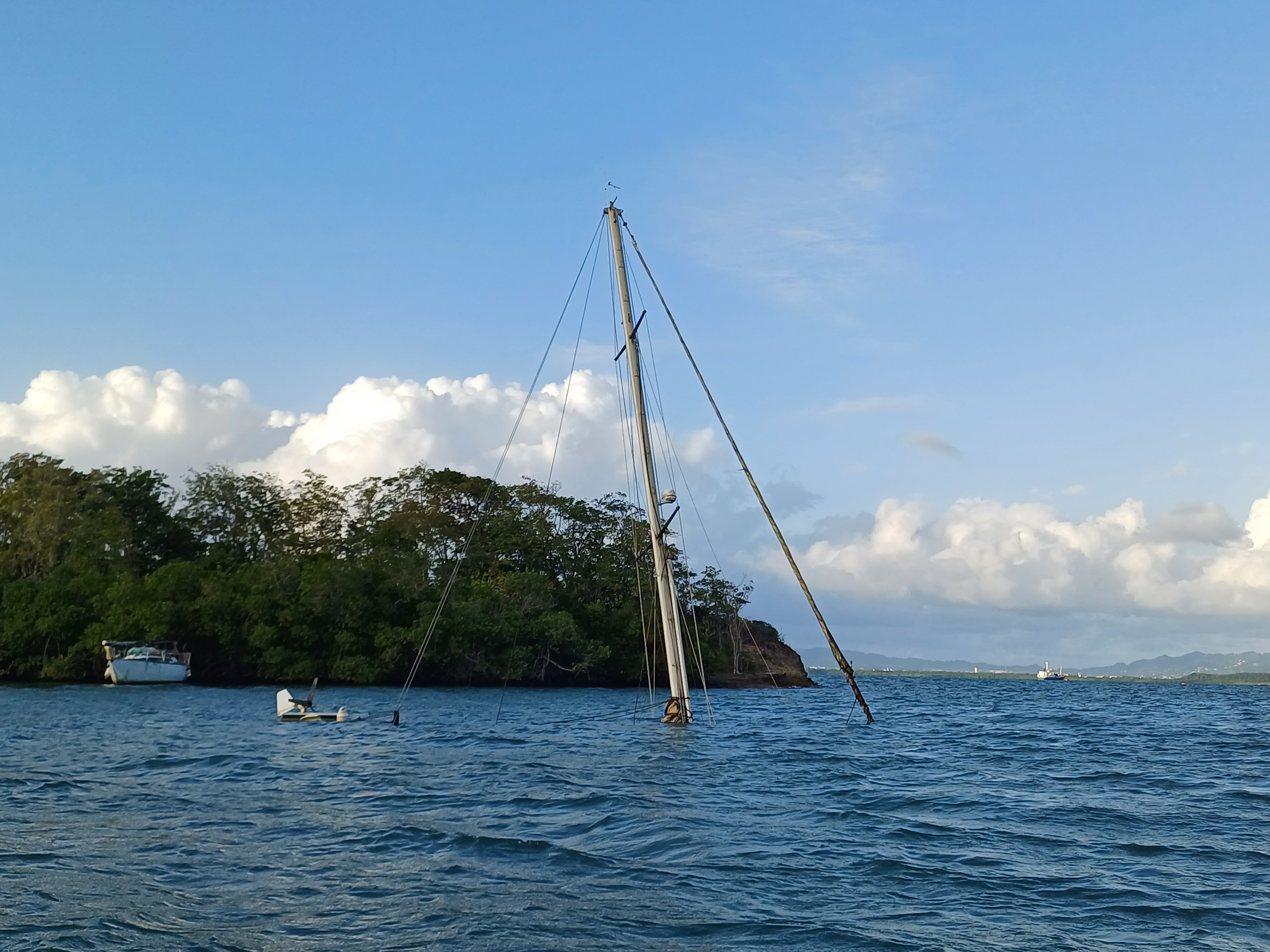
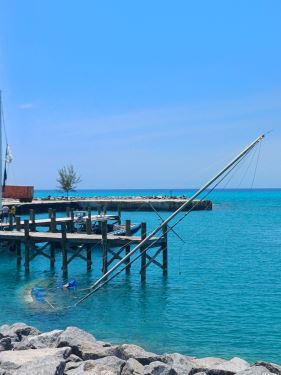
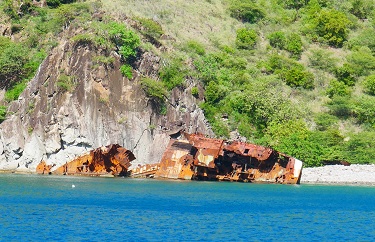
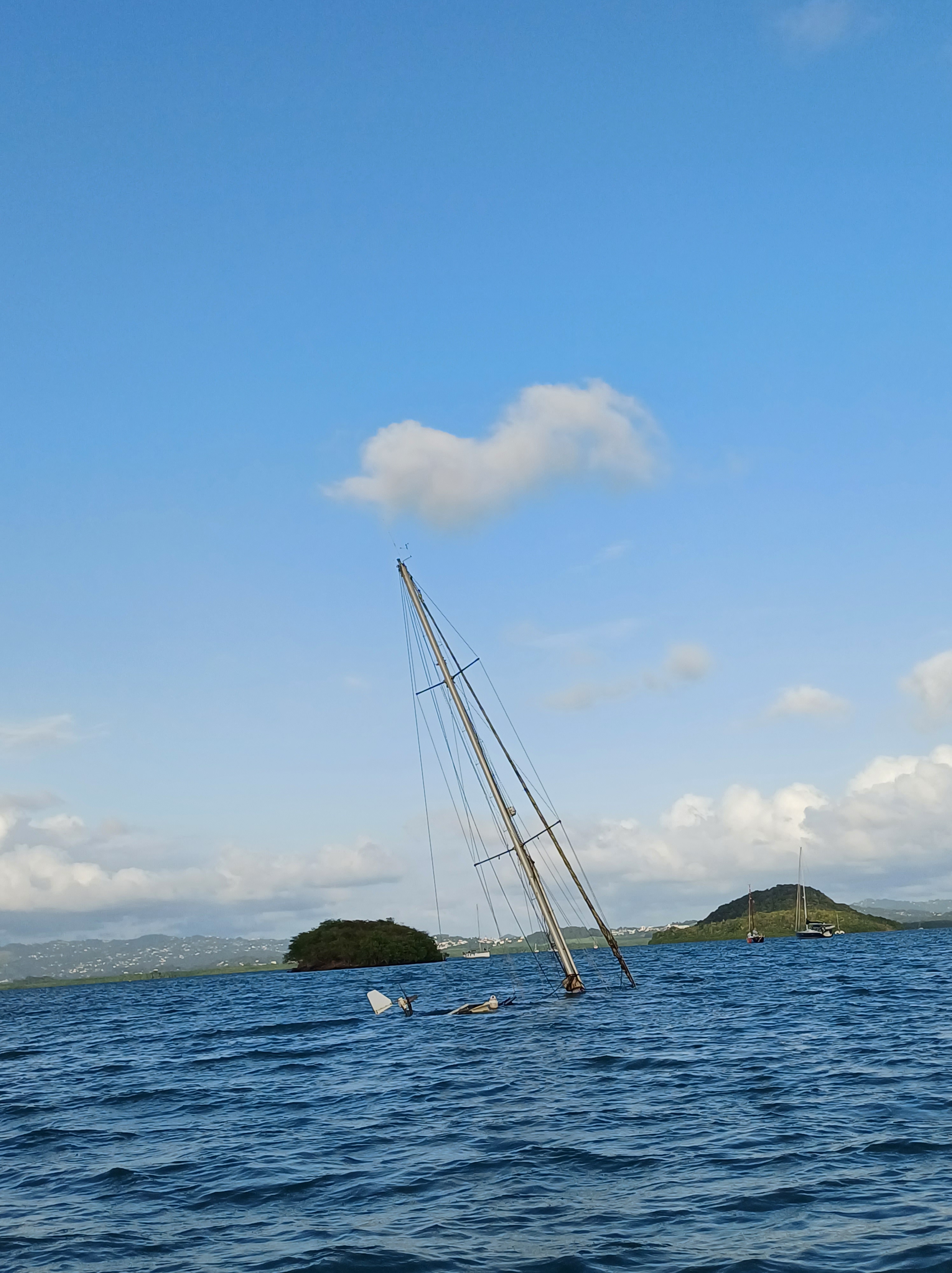
By far the biggest impact the weather had on us was seeing the devastation brought by the hurricanes which rage through the islands. Every year they indiscriminately pick off different islands and shatter whole communities. From a sailor’s perspective, seeing the impact on boats left in the hurricane zone was frightening enough
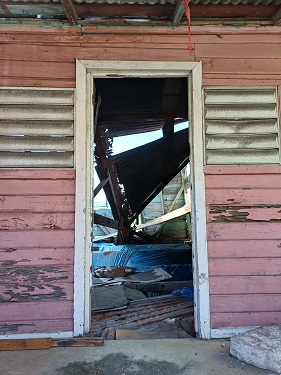
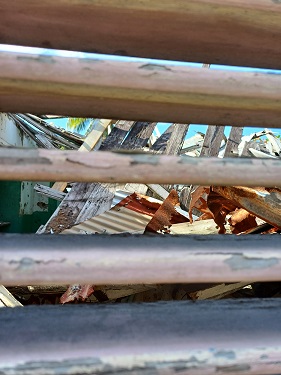

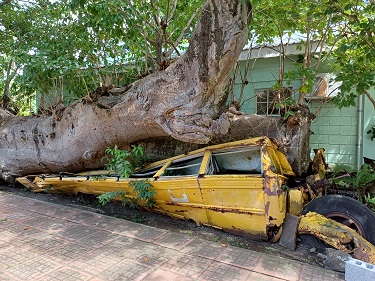
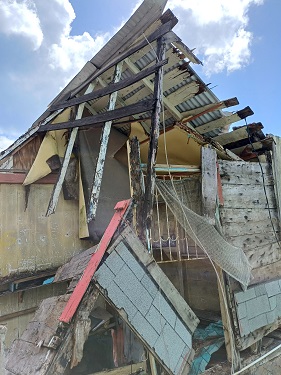
but this was nothing compared to the devastation caused to those who live in their path year in, year out. The destruction of their homes, schools and places of worship is plain to see. The lottery of which islands will be affected seems particularly cruel. We’ll never forget the emotion in Providence’s voice when he talked about living through Hurricane Maria in 2017.
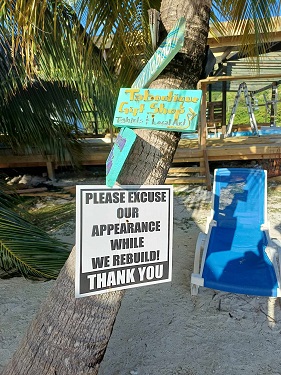
Globally, the brunt of the damage caused by our changing weather patterns is felt hardest by the poorest communities. Hurricanes may not discriminate between the multi-million dollar properties of Necker Island and the ordinary homes on nearby islands but their owners ability to rebuild is vastly different. Branson’s luxury resort was open again just a year later. The cement trucks were still very hard at work on Jost Van Dyke when we were there and the repairs very much a work in progress.

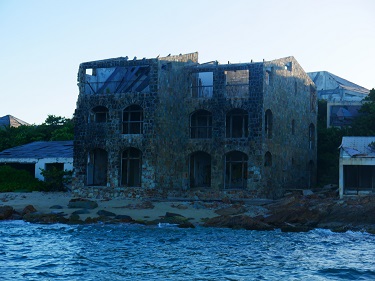
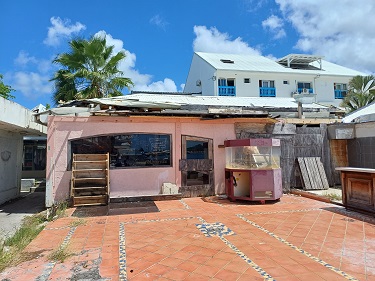
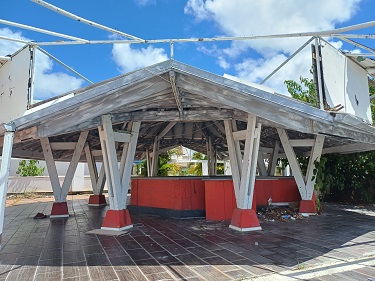
The damage to the tourist infrastructure on which they rely so heavily is everywhere. There is an incredible resilience to the people of these islands. The survival stories are extraordinary and the communities’ ability to rebuild seems super human but it comes at a very high price and takes a very long time. It is 7 years since Hurricanes Maria and Irma hit Dominica, Saint Martin/SintMaarten, the BVIs and Puerto Rico and the rebuilding has still not finished. In many places it has yet to start.
And there is no doubt that the changing climate is making the threat so much greater as each hurricane seems to hit with more intensity than the one before. This season in particular we watch and wait to see if all the predictions of the most active season yet will come true. As we write, Hurricanes Beryl, Debby and Ernesto have already got it off to a truly devastatingly early start.
“This isn’t just Mother Nature; Irma is all part of that bigger picture painted by human hands of a warmer world and warmer oceans. The impacts of the extreme climatic events that come with a warmer world will be quick, sudden and final; we won’t have enough time. What we have unleashed with our selfishness, greed, overuse and lack of respect for Mother Nature is going to come back to bite us with painfully sharp teeth!”
The Irma Diaries, Angela Burnett
Slavery


“Here’s one delusion – that we can escape slavery. We can’t. It’s scars will never fade.”
The Underground Railroad, Colson Whitehead
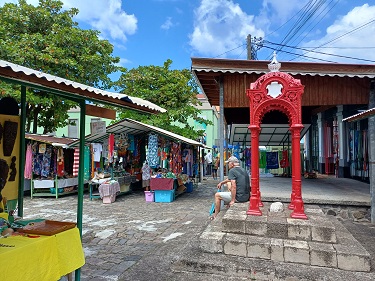
We always choose to read and learn a lot about the places we are in, before we go and while we are there. In the Caribbean and as we prepared to visit the Southern States of the US, this inevitably meant confronting the realities of the Transatlantic slave trade. Behind the idyllic palm, fringed beaches, the legacy of the slavery on which much of the West is built is still so very present. It is a feeling that is always there and it felt important to us to learn more about it.
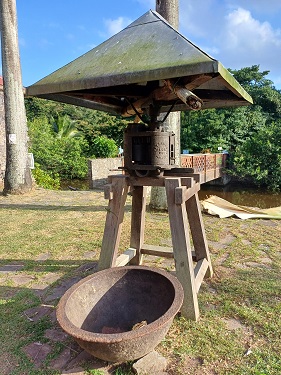
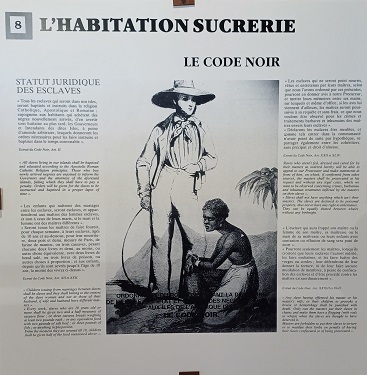

But, our books aside, it was harder than you would think to seek out the stories of the past. On many islands there was little to no mention of it altogether. On Martinique, a rather Disneyfied version of plantation life was presented at the Maison de la Canne.
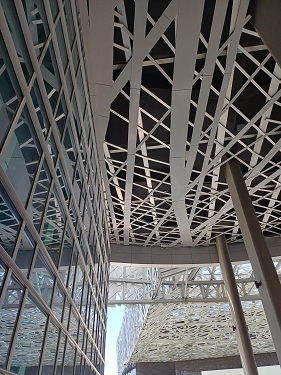

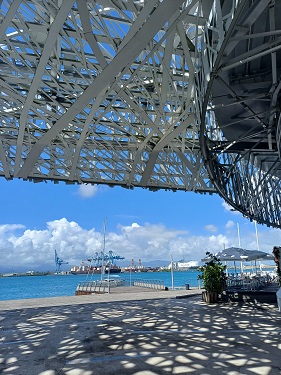
But it was at the Memorial ACTE on Guadaloupe that we found a place that truly confronted the reality of slavery and honoured the lives and the memories of enslaved people not just in the French colonies but throughout the world.
Where we could we sought out individual stories, and especially those of resistence and rebellion, to bring that history to life but that history doesn’t feel so far away when you look at photographs of enslaved people and realise these are the great, great grandparents of people still living on the islands today. Its barbarism and inhumanity has shaped everyone who lives there.
To ignore the history of these islands is to ignore the very thing that has shaped their society and culture.
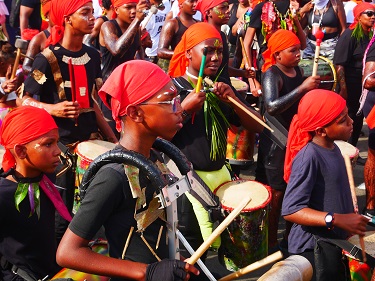


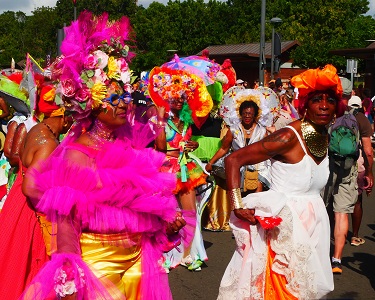
One event rooted in the story of the emancipation of the slaves is the celebration of Carneval. We might think of it as bright, noisy parades but, although tied to colonialism and forced conversion to Catholicism, in the Caribbean it is very much an act of rebellion and freedom. These are the scenes we will remember amongst all the images of horror in our heads.
“People travel to the Caribbean because it seems like paradise – a place out of time, where they can cast off the relentless rhythms of their own life and relax on the beach with a cocktail in hand.
But to me, the Caribbean is beautiful because of its history, not in spite of it. A place where the past is always close.”
River Sing Me Home, Eleanor Shearer
But if we thought that by leaving the Caribbean we were leaving behind the legacy of slavery and the threat from the weather, we were very, very much mistaken….
 Adventures with Pintail
Very poignant memorial with chains.
LikeLike
My fave of your blogs so far x😊
LikeLike