
5 to 11 May 2024
Old Bahama Bay, Grand Bahama to Charleston, USA, 32° 46’68” N, 79° 57′ 18″ W, 385nm, 2 days, 13 hours
to Ashley River, 32° 46′ 13″ N, 79° 56′ 70″ W, 1/2nm, 15 minutes
to Yorktown, 32° 47′ 42″ N, 79° 54′ 68″ W, 2nm, 1 hour
Getting to the United States felt like a massive achievement to us. In some ways, it felt like a bigger achievement than crossing the Atlantic. It had been a weather dictated goal that had been set for us on the very day we put the anchor down in Saint Lucia and one that somehow never really seemed a reality. Until that is, we suddenly found ourselves at West End, Grand Bahama, ready to make the relatively short jump to the East Coast.
We had a choice to make about where to enter the US. The coast of Florida was only about 50 miles west of Grand Bahama. We toyed with visiting Cape Canaveral and hanging around for a rocket launch but our clock was still ticking and we still had about 900nm to go to reach 37° North by 1 June.
So, with just under a month to go, we decided to forgo Florida and neighbouring Georgia and head further north to South Carolina. We had two motivations. First, the passage there made best use of the Gulf Stream, the fast flowing southerly current which would act like a travelator and propel us there much quicker than our normal speed. And second, we both really wanted to visit Charleston. This iconic Southern town, where we imagined trees dripping in moss and wooden houses surrounded by shady verandas, was on our bucket list.


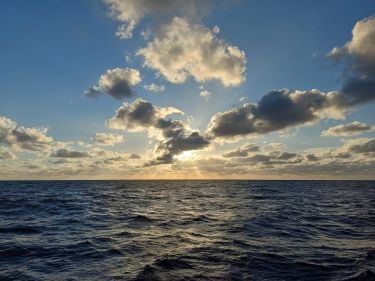

We left our shark infested pontoon at Old Bahama Bay at daybreak and settled in to another few days at sea. We had seen the Gulf Stream marked clearly on our current forecast but we still couldn’t quite believe it was real. Would it really give us up to 3 extra knots of speed and almost halve our usual passage time for the distance? The wind was light and we motor sailed for most of the day. By sundown, however, we were starting to make an average of eight or nine knots. We rode the Gulf Stream at those speeds until we had to turn left in the direction of Charleston at around sunset the following day. It was tempting to stay in it and carry on all the way up to Chesapeake Bay but we really wanted to visit Charleston and are so glad we stuck to our plan.


We had started to wonder if the US actually existed. The Lowcountry, as the river deltas of Georgia and the Carolinas are known, are so low that land was not visible until we were really close. But we knew we were in US waters when the Coast Guard patrol boats appeared so we confidently raised the Stars and Stripes.
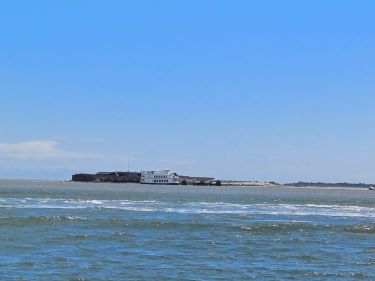

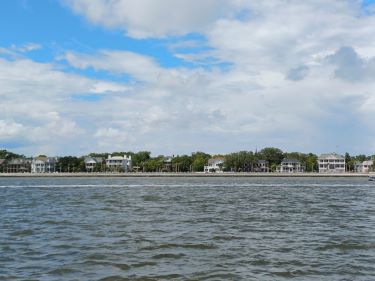
Entering the vast shallow, brown muddy waters of the Ashley River at first reminded us so much of the River Crouch back home but very quickly looked far less familiar. Fort Sumter at the entrance, where the first shots of the Civil War were fired in 1861, the paddle steamers and grand waterfront properties told us we were somewhere very different indeed.
From the moment we tied up on the pontoon in Safe Harbour Marina Charleston welcomed us as if giving us a great big hug. Everyone, from the marinero who took our lines to the Customs officers who came down to greet us and do the formalities was super friendly. Everyone stopped for a chat and gave offers of help.

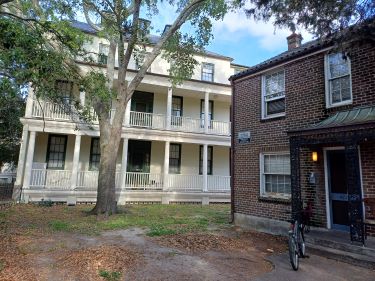


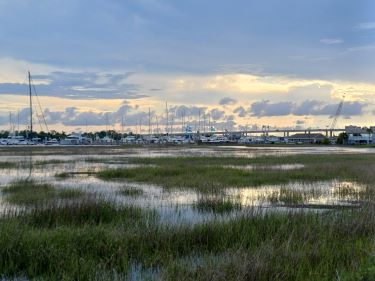
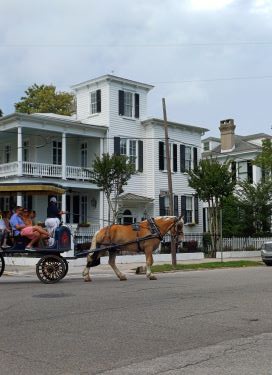
Although weary from our long passage, we were too excited to rest and keen to get to the shop for some fresh food. From the marina, the long walk to the supermarket took us through some very pretty streets and passed lots of lovely, colonial style houses. There was no mistaking we were in the South! We walked back through Colonial Lake Park and sat on Papa and Beautiful’s bench, enjoying the view, as they asked.
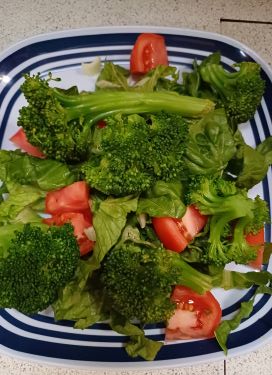

Back at the boat and craving greens again, we demolished a plate of broccoli that night but, for balance, added in some typical US snacks.


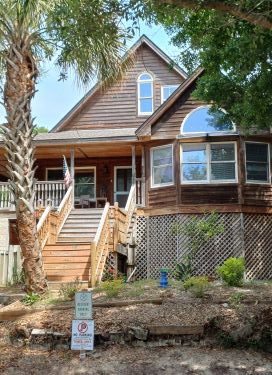
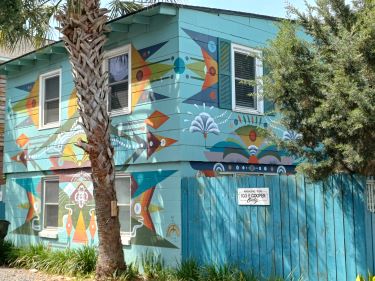

And then just to compound the Southern welcome we were receiving, when she heard we were in town, Sherry, the cousin of my friend, Meredith, immediately set out to show us the highlights of her home town. Picking us up from the marina, she first picked up her partner, Scott, and whisked us to their favourite ocean side Folly Beach. With its long wooden jetty and hippy style hangouts we could have been back in Australia!

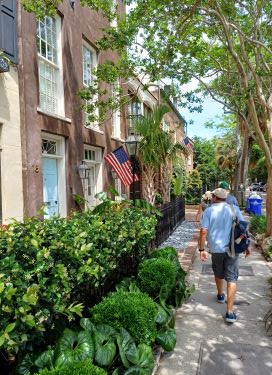
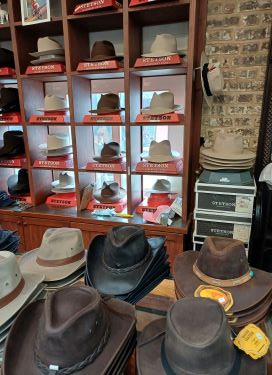
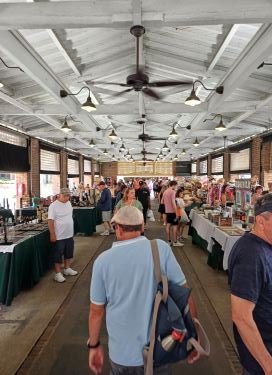
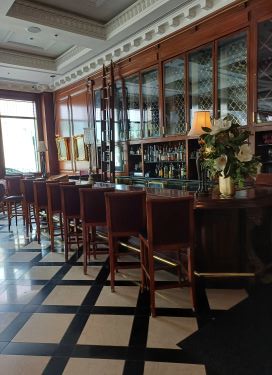

Next they drove us back to the heart of the city and took us down streets and alleys and through hotel lobbies and markets that we would never have discovered on our own.
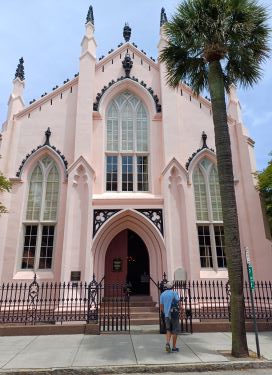

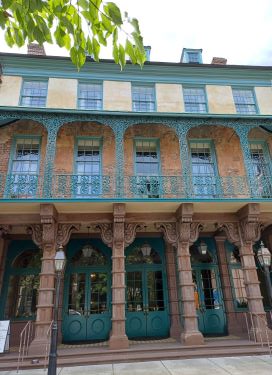
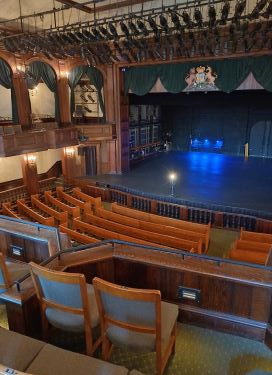
We stopped in at the French Huguenot Church where Stefan chatted with the volunteer about their shared heritage and went inside the beautiful Dock Street Theatre opposite.
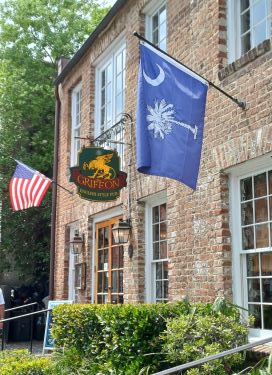

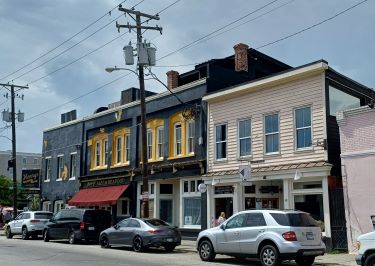

Amongst the heritage buildings we even found an English Style Pub although we didn’t stop in to verify its claim!

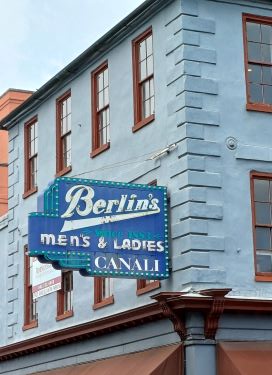


After a while in the Bahamas, we thoroughly enjoyed wandering around all the beautiful historic buildings and couldn’t thank Sherry and Scott enough for being our guides.
But they weren’t done showing us around and insisted on a day two!
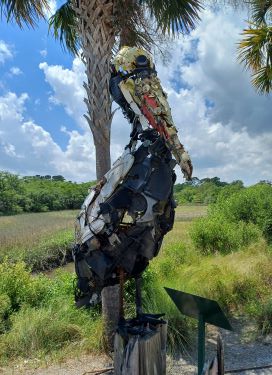


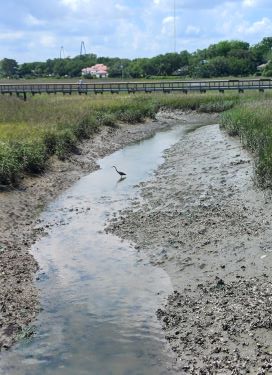
The following day they took us across the Ashley River to the east of the city and we took a walk along the boardwalks over the wetlands that were full of birdlife, albeit some of them made of recycled plastic!

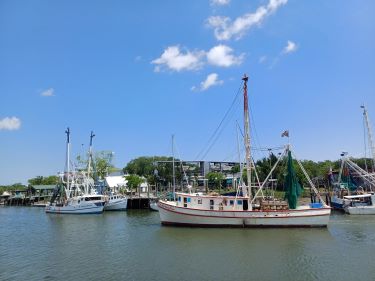
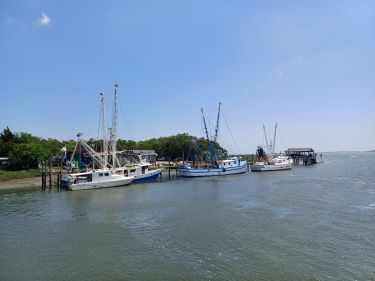


Amongst all the working shrimp boats, others were using the creek for leisure!
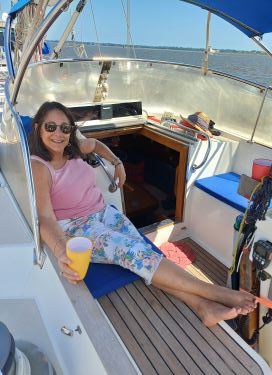


We stopped off for a drink and a tour of Pintail before they welcomed us to their gorgeous lakeside home for a barbeque and we watched the neighbourhood ospreys fishing for their dinner.


Thank you, Sherry and Scott, for your great company and generosity and for giving us a very warm welcome to the States. Whenever we see a pineapple we will remember it as a symbol of Southern hospitality!
With such a fantastic introduction to Charleston, we felt confident to continue exploring this fascinating place on our own. And something extraordinary happened…


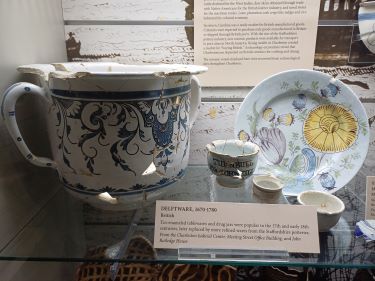

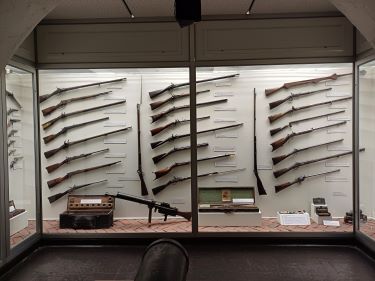
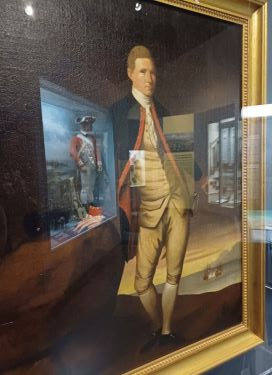
Lured by the replica Civil War era submarine outside, The Charleston Museum might go down in history as the only one that Stefan has entered voluntarily and enthusiastically! And it did not let him down. It taught us both a great deal about the early colonisation of the Lowcountry and its rice plantations but it did make us realise that we really didn’t know our Civil War from our Revolutionary War. It suddenly seemed absurd to us that, given the central role of the British in the creation of the modern USA, we knew quite so little about it all and we vowed to put that right.
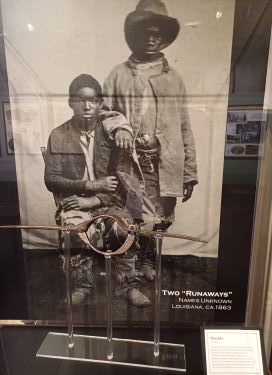
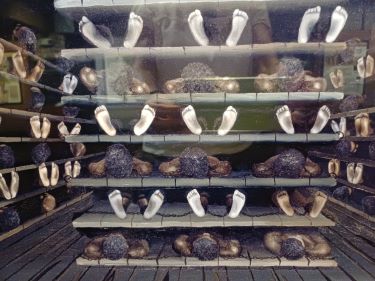
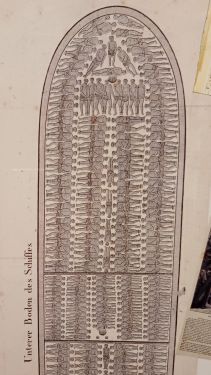
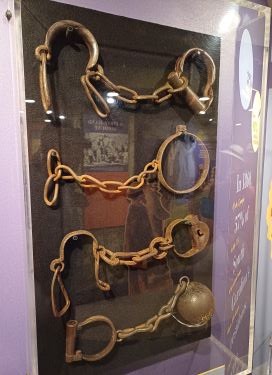
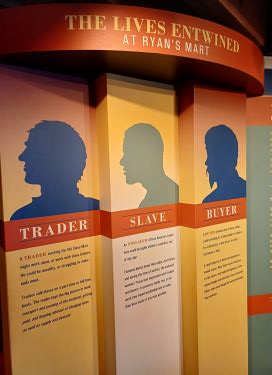
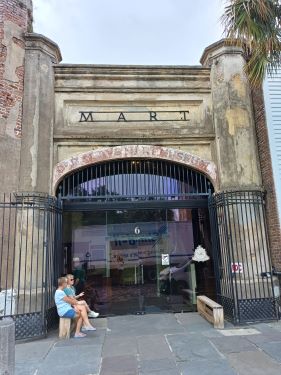

As in the Caribbean, all the beauty of the city is complex. It came at an enormous cost to enslaved African people and we couldn’t see Charleston and just ignore that. Ryan’s Slave Mart, right in the heart of this gorgeous city, seemed the right place to start learning about its dark side. This enclosed lot was built in 1856 when a ban on street slave auctions drove the trade indoors. This small museum packed a punch in detailing how slavery reached every part of society in the colonial South and delivered an image that will burn long in our memories of the reality of the slaves’ journey from Africa to the US.

We could have visited any number of grand plantation houses in and around the city but, after visiting the slave market, we didn’t want a history-brushed version of plantation life. We sought somewhere that acknowledged the role that slavery and enslaved people played in the story of the South and one house in Charleston’s suburbs grabbed our attention.


This relatively ordinary house in a Charleston suburb taught us something of the scale of slavery in the South. William Aiken, 61st Governor of South Carolina and one of its wealthiest citizens, owned as many as 800 enslaved people across his plantations and other properties with around 20 working at this house. To centre the experience of visiting the house from their perspective, you enter not through the grand entrance but the basement kitchen
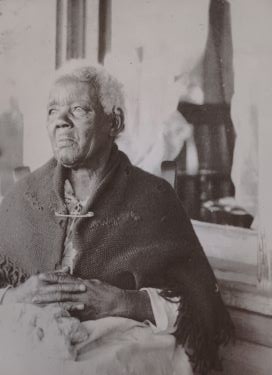
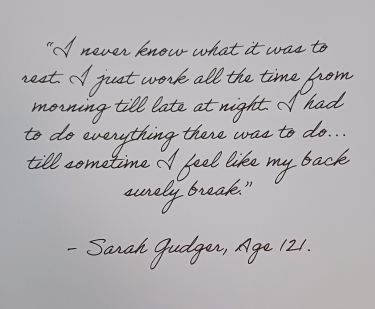
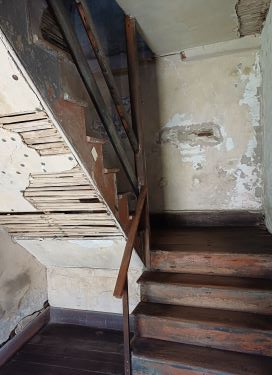


and continue to their living accommodation. Precisely because they were documented as possessions rather than people, we know who lived in these small quarters. In each room our audio guide told us a little about their individual lives. It was a very profound experience. After that, there was no way of avoiding the presence of slaves in the life of this house.

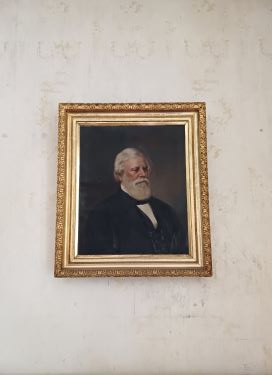

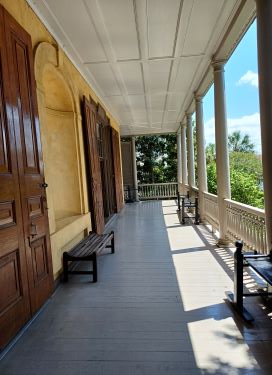
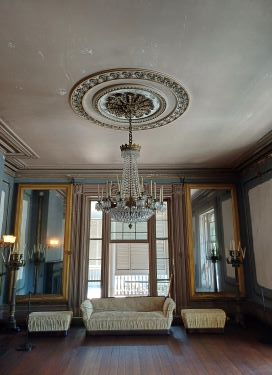
Maybe because of this, we had far less interest in the family who lived up its much grander staircases. This property has been preserved as it was found in 1995 and its furniture, architecture and finishes had not been altered since the mid 19th century.
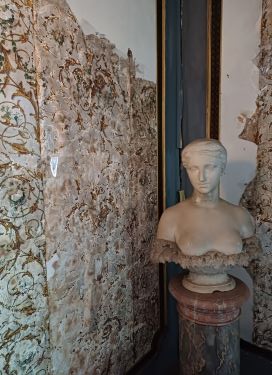


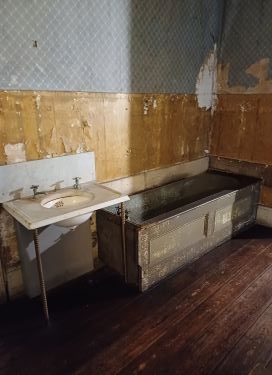

The peeling wallpaper and chipped paint felt fitting for a place built on such cruelty and greed.
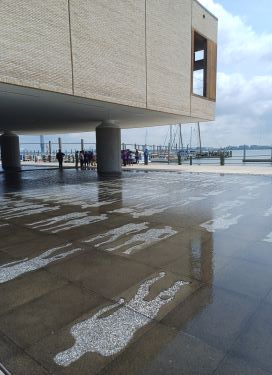

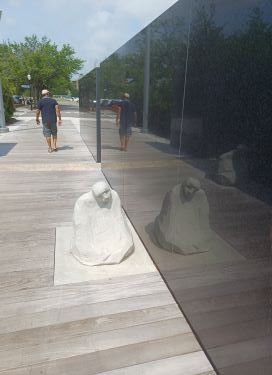
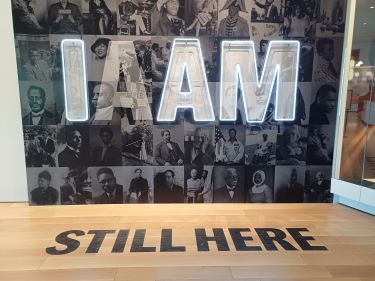
In search of a more modern take on Black history in the States we headed to the International African American Museum. Built on the very wharf where tens of thousands of enslaved Africans were brought ashore between 1760 and 1808, it too lured us inside with its evocative yet peaceful gardens.
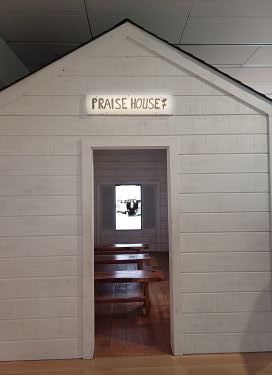
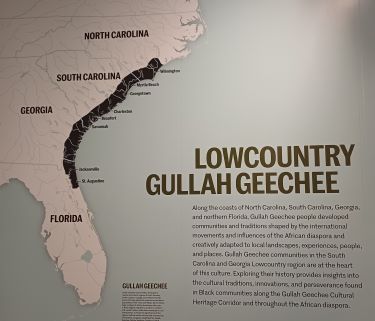

There we learnt a lot about the unique, local Gullah Geechee culture that developed in the Lowcountry amongst the descendents of the West African brought as slaves
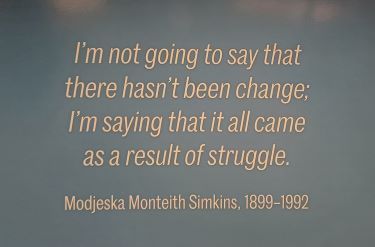
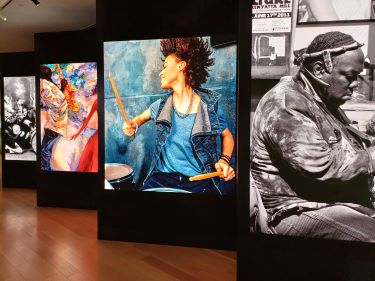

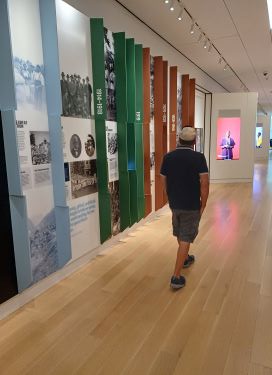

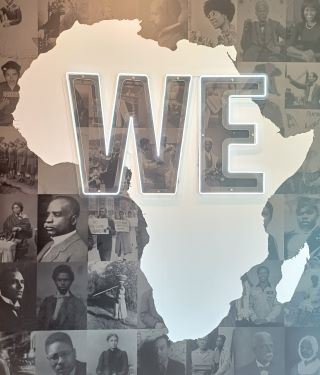
but also the introduction of enforced segregation in the late 19th and early 20th century in the South, the civil rights movement of the 1960s and racial justice and politics today.
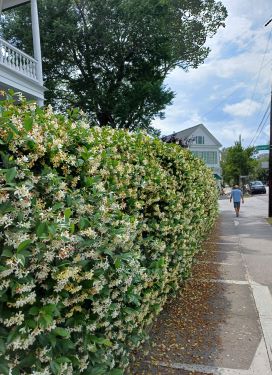
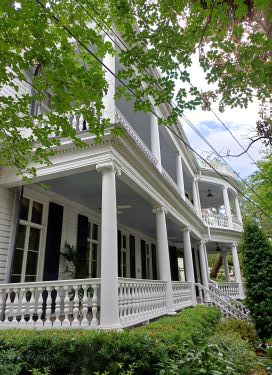
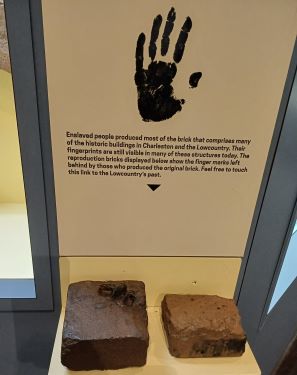

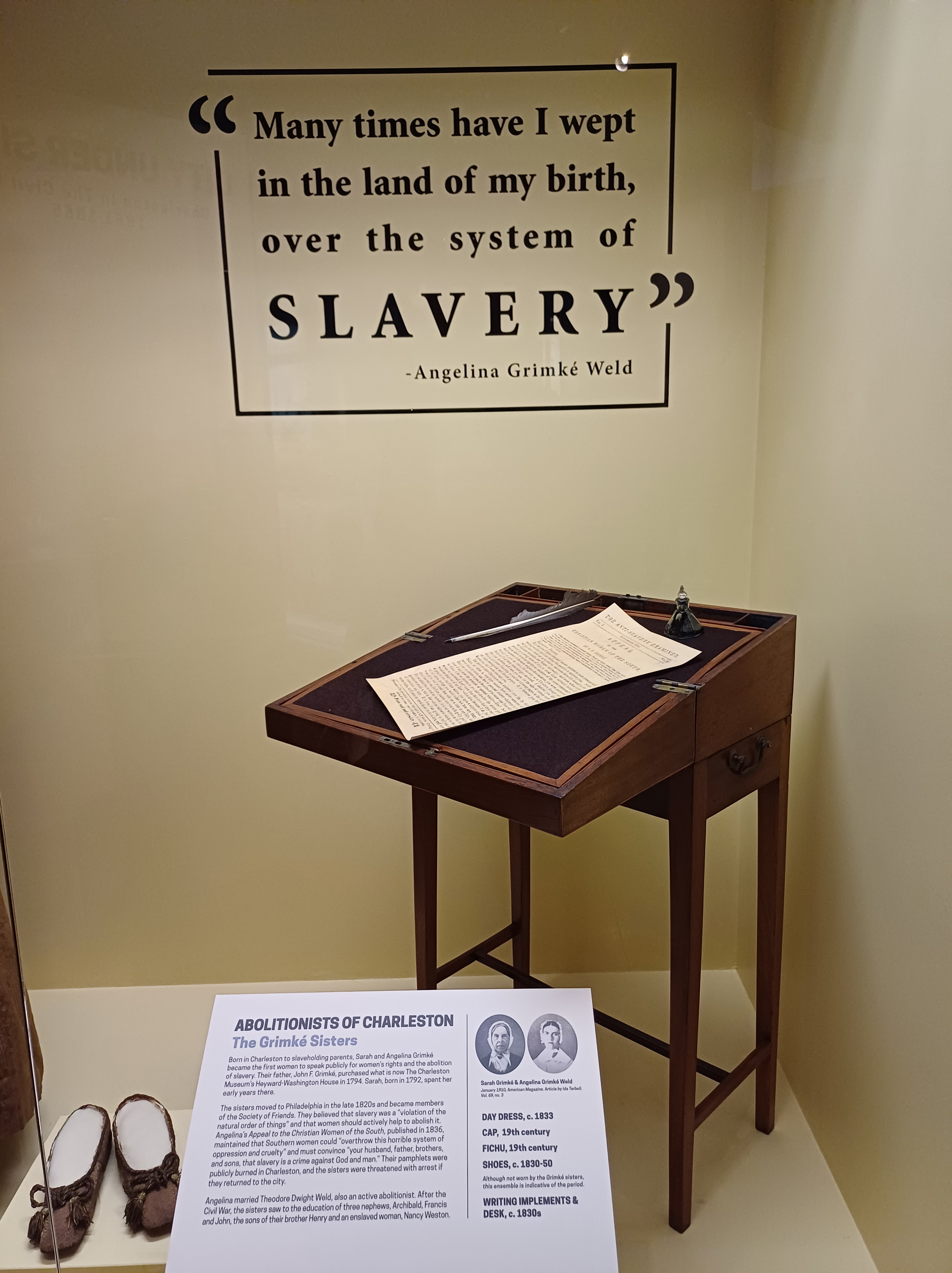
Our memories of Charleston will be full of the smell of jasmine, of moss dripping from the trees, of the grand old wooden houses with rocking chairs on their porches and of the very friendly how y’all doing in a sleepy drawl but will be intertwined with a new found understanding of the price that was paid for it.
With the city thoroughly explored and having ignited a new found interest in American history that required a lot more work, our thoughts turned to moving on. The weather just had to cooperate…
 Adventures with Pintail