
2 to 11 June 2024
Portsmouth to Fort Monroe, 37° 0’40” N, 76° 19′ 03″ W, 9nm, 2 hours
to Yorktown, 37° 14′ 10″ N, 76° 30′ 18″ W, 26nm, 5 hours
In our short time in the States we had already learnt that our knowledge of their history needed a lot of work. However, we hadn’t quite expected to get a lesson in so much of it from our next anchorage off Fort Monroe on a peninsula at the entrance to the James River.


Going ashore for a morning run, Stefan came back with tales of a hidden world across a moat and inside some very thick defensive walls. It was an extraordinary and intriguing place in which so many pivotal moments of American history were going to be revealed to us and one we would return to a number of times to explore.
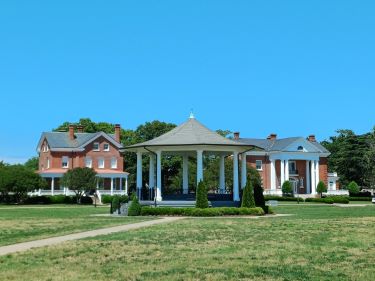
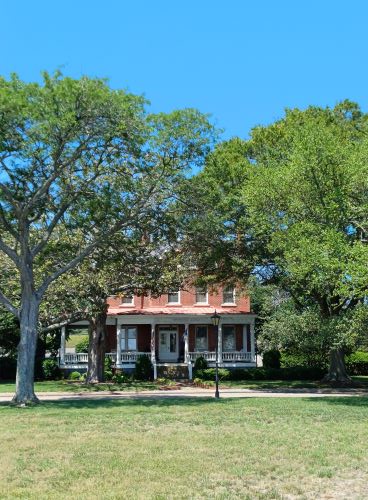
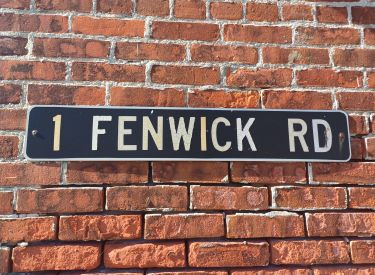


Today Fort Monroe is, surprisingly, a living, breathing place where people are able to rent the beautiful period homes. We chatted to one local resident out walking his dog for over half an hour. He was full of tales of his military service in the air force as well as life today inside the fort.

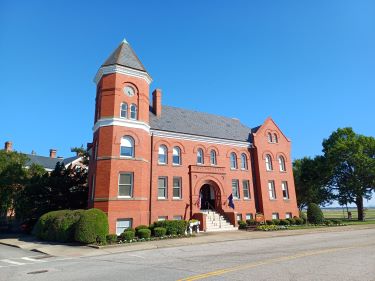

Residents have all sorts of civic amenities
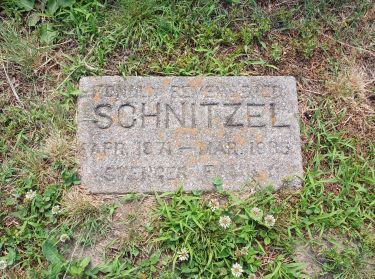

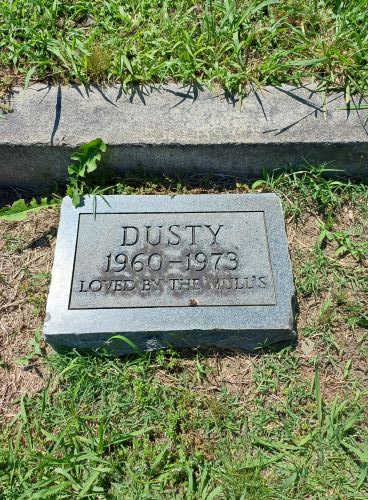

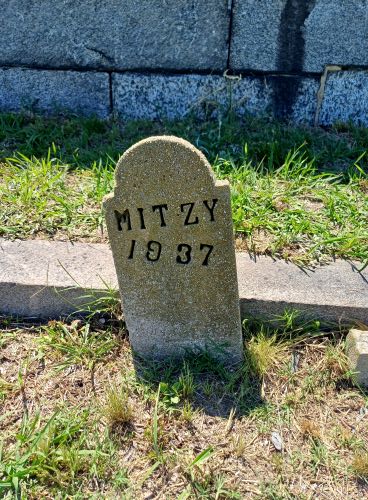
including a pet cemetery for their beloved companions.
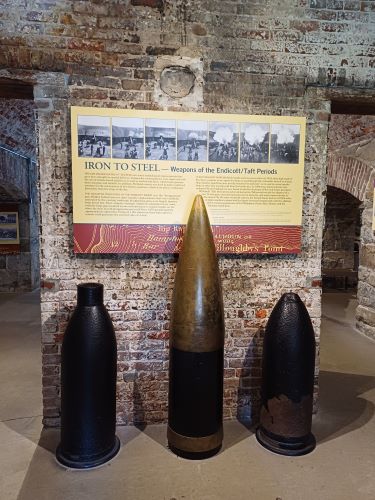
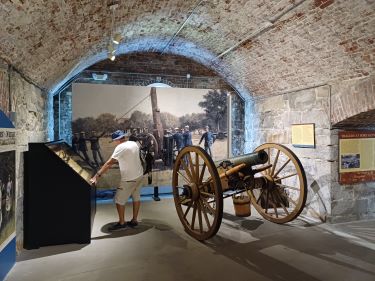
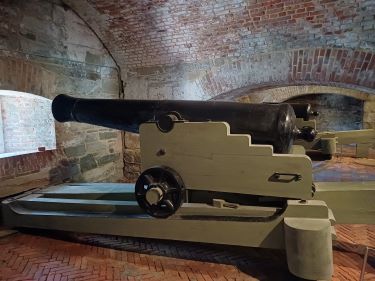
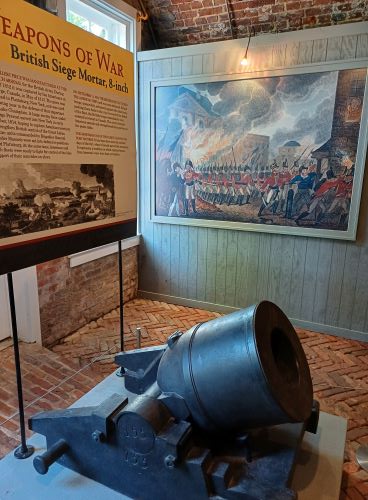
But inside the brilliant museum hidden within the original casemates we started to piece together the history of the USA. Fort Monroe had been a defensive position from the earliest days of the Colony of Virginia in the early 1600s up right up until the end of WWII and had played significant roles in major episodes in US history in between.

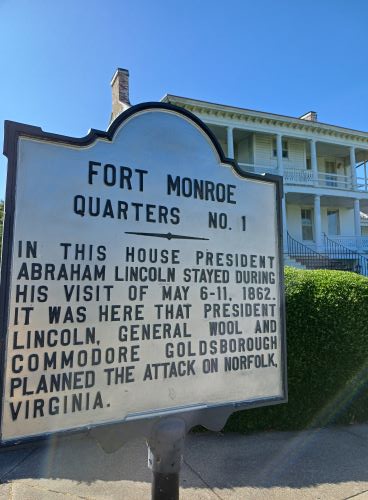
Although Virginia seceded the Union at the start of the Civil War, Fort Monroe remained a vital Union position throughout the war. Abraham Lincoln, the President who led the Union States, visited the Fort to plan offences in Confederate Virginia and had a gun named after him.
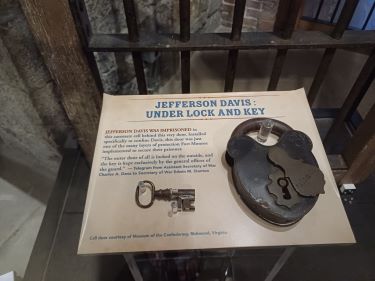


In the museum we were introduced for the first time to Jefferson Davis, President of the Confederacy during the Civil War, who after his capture had been imprisoned here and forced to wear irons around his ankles, taunted by a Union flag hung in his cell.

Our favourite story, however, was one of the three enslaved men who sought refuge there in 1861. 250 years after the first enslaved Africans arrived on the continent at the very same spot, Frank Baker, Shepard Mallory, and James Townsend fled to Fort Monroe to escape being conscripted into the Confederate forces. At the time the Fugitive Slave Act dictated that runaway slaves must be returned to their owners. Given that the law of Virginia claimed the men to be the property of their owner, the commander of the Fort, a shrewd lawyer as well as military leader, declared them to be ‘contraband of war’. Although technically neither slave nor free by this decision, it did not stop a further 900 men, women and children seeking safety from slavery at the fort and his decision would ultimately pave the way for the 13th amendment to the US Constitution which ended slavery. For this reason, Fort Monroe is now known as Freedom’s Fortress.
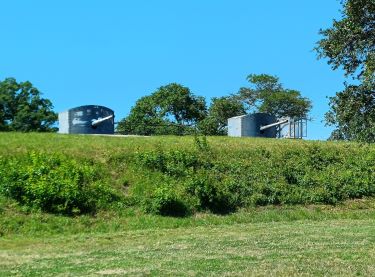


Fort Monroe last saw active service during WWII when more modern defences were built for more modern artillery to defend the entrance to Chesapeake Bay.
We heard news from neighbours in the anchorage of a pirate festival up the river in Hampton. Blackbeard, the pirate who had terrorised the east coast in the 18th century, was finally been killed off North Carolina in 1718. His head was brought to a spot at the entrance of the Hampton River, now known as Blackbeard’s Point, where it was hung on a pole for years as a warning to others. Too good to miss, we took the dinghy from our anchorage, passed Blackbeard’s Point (head no longer on its pole) and up to modern Hampton to celebrate all things pirate.


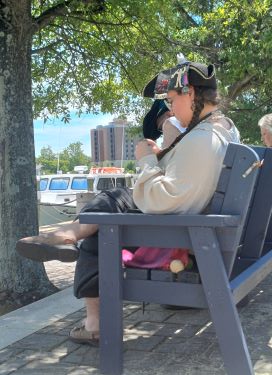
We immediately felt very underdressed. Dressing up was, it seemed, compulsory at this festival!

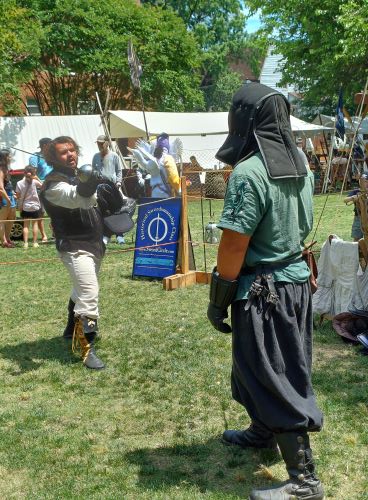
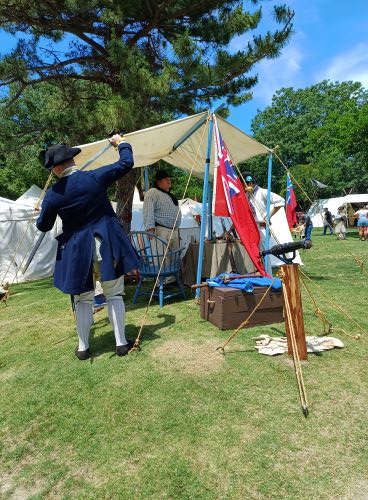
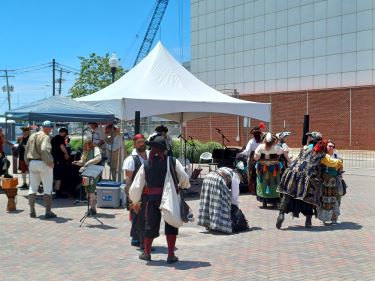

We wandered around the town, bumping into reenactments at every turn

and finally a sighting of Blackbeard himself.
We enjoyed some great music
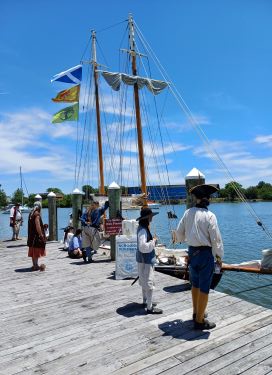

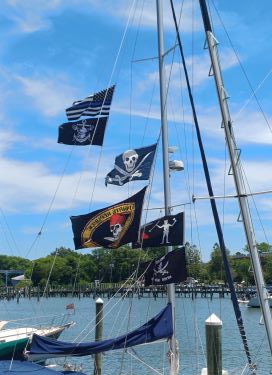
and, back at the water’s edge, a good old sea battle! It was a lot of fun.
After a fantastic few days in Fort Monroe and Hampton, we moved anchorage from the James River to the York River and completely back in time to the tiny town of Yorktown. More open air museum than real, lived in town, Yorktown was the place that was going to explain the Revolutionary War to us. By now we had understood the colonisation of the east coast by English settlers in the early 1600s but we hadn’t yet worked out how that had all lead to a big old war between England and the Colonies by 1775.


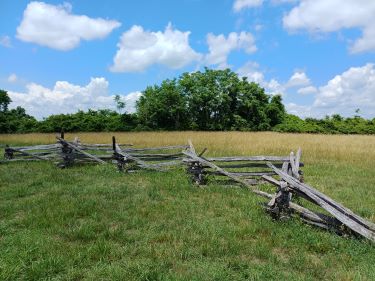
A very pretty riverside walk took us to the site of one of the battles and the American Revolution Museum.


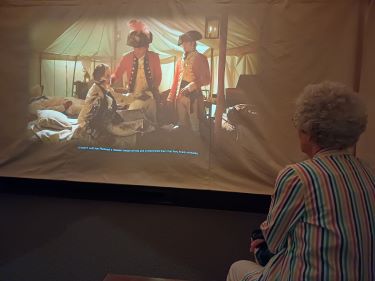
There we learnt that it was basically a war over tea and taxes! OK, that might be oversimplifying it a little but essentially the colonists, by then largely self governing, got fed paying taxes to the British Crown. It came as news to us that the Boston Tea Party was not a cordial sit down over a good old cuppa but a violent protest during which cargo loads of tea were dumped in Boston harbour. Now we understand the American antipathy to tea!
Actually it was a bit more complicated than that but by 1775, the colonies had decided to break away from Britain and on 4 July 1775 the declaration of independence was made, essentially starting a civil war between the American Patriots, who supported independence, and the American Loyalists, who wanted to retain British rule. At some point the French joined in and, to add to the confusion, Native American tribes were forced to pick a side and fought for either the Patriots or the Loyalists. If you’ve seen the film The Last of the Mohicans, which we rewatched after our visit to the museum, you’ll be as confused as we were about who was on whose side!
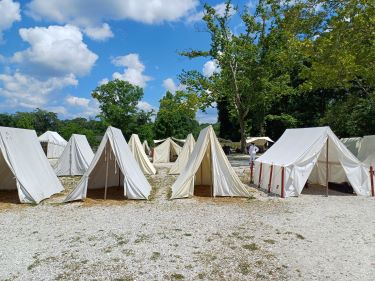

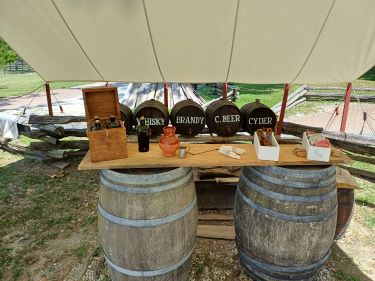
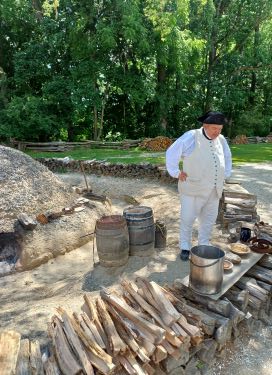

Outside the museum, we chatted to Revolutionary War era interpreters about their lives in the colonies,


had a cooking lesson in making bacon and egg pie


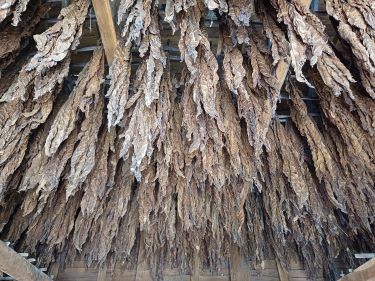
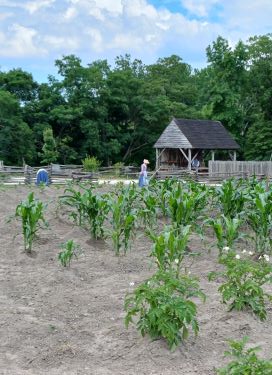
and wandered around their homes and gardens.


From the museum we walked through the very quaint streets of Yorktown, themselves just like an open air museum,


and up to the battlefield where in 1781, General Charles Cornwallis lost the final battle of the war and surrendered to George Washington after a three week siege at Yorktown, marking the beginning of the colonies independence from Britain.
In just a few days we had been on a romp through American history, not necessarily in chronological order but we were definitely starting to understand it a whole lot better.
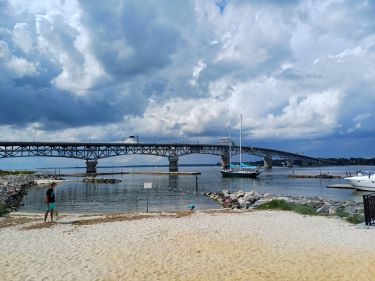


The York River was a gorgeous place to hang out for a few days,
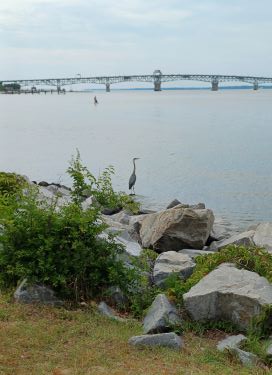


wandering along the shoreline

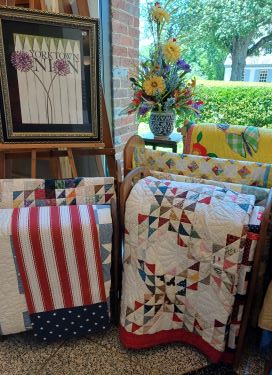
mooching around the craft and junk shops,
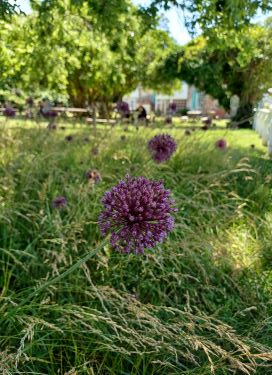

and learning about the Yorktown onion, a type of allium or wild garlic, that only grows here and is thought to have been brought over deliberately or accidentally by the colonists.
At Fort Monroe and Yorktown not only had we filled our heads with more history than we’d dreamed off but we had also reached the magical 37 degrees latitude. We were not necessarily safe from hurricanes but Pintail was at least insured. This meant that we could plan a trip back to the UK for some important family time…
 Adventures with Pintail
N American pirates channelling a Dorset accent 🙂
LikeLike