
14 August to 12 September 2024
Washington DC to St Clements Island, 38 12′ 92″ N 76 44′ 56″ W, 70nm, 11 hours
to Fishing Bay, Deltaville, 37° 32′ 42″ N, 76° 20′ 18″ W, 60nm, 10 hours
We made some really important decisions in DC while we were waiting for Debby to hit. The first was that we were very tired of living at the mercy of the weather and constantly having to move on. With the prospect of another three months before the end of hurricane season and our insurance permitted us to go south to our berth in Portsmouth, we needed to come up with another plan. We were due to lift out again at Fishing Bay to work on the boat in October and we had liked sleepy Deltaville a lot so we decided to book ourselves into the marina there so that we could start exploring more by land – after all, we had barely scratched the surface of the rich history of that part of Virginia.


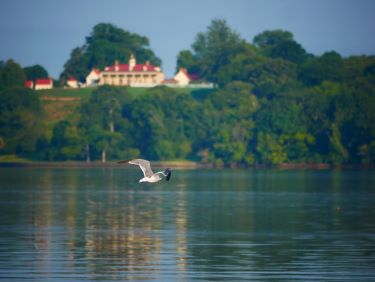

Returning down the Potomac we had a front row seat of all the birdlife and of course the osprey on the channel markers. It was such a lovely smooth ride that we decided to do a longer day on the water to get further towards our destination.
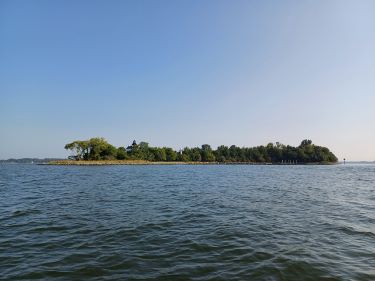


Behind tiny St Clements Island we found a perfectly calm anchorage for the night. It might be tiny but the island has played a big part in the history of the area. The State of Maryland started right there when two ships full of English settlers landed there in 1634 seeking shelter after a stormy crossing whilst they found a place to establish a new colony.
After a very peaceful night we took the dinghy ashore to explore. From the river we had seen a lighthouse and a huge white cross on the island so we went in search of them.
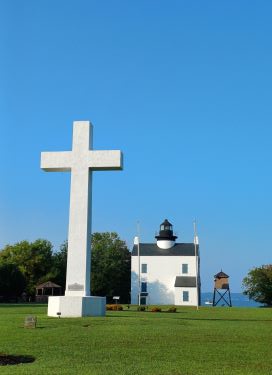
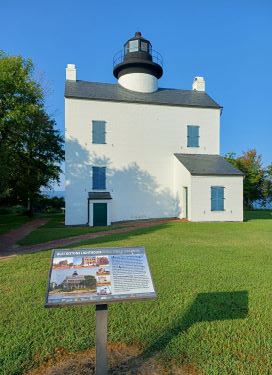

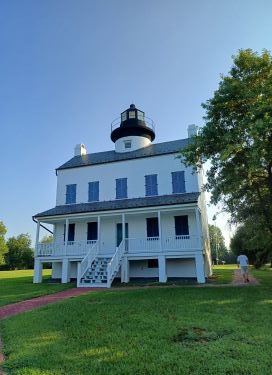
The Blackistone lighthouse was built in 1851 and had an automatic fog bell for when visibility was very low. Josephine Freeman was the lighthouse keeper there from 1875 until she died in 1912 and the lighthouse and the island was also home to her husband and four children. The intriguing 40 foot white cross we had seen from the river was erected in 1934 to mark the spot where in 1634 the first Catholic mass in the English speaking colonies had been celebrated, establishing the principle of religious freedom.
But so eager were we to be settled in one place for a while that, no sooner had we got back to Pintail from our short tour of the island that we had the anchor up and were being pushed out of the Potomac by the tide. We decided to go all the way to Fishing Bay in one go.


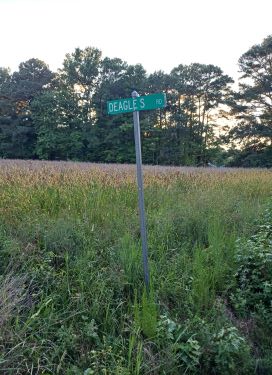

We settled in quickly in our berth in Fishing Bay Marina at the end of Deagle’s Road with our liveaboard neighbours, Riff, Eric and Ginger and Jim Bob. Soon we were helping Ginger haul up her crab nets on the pontoon and making friends with the resident cat who we variously named Fat Cat or Bagpuss, until we found out that his real name was actually Duncan!

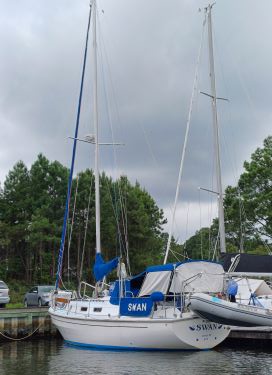


Pintail was tucked up happily amongst her avian friends but if we were going to be able to explore by land we now needed wheels!
Having hired a car for a week we set about finding one of our own. Being able to register a car in Virginia meant having proof of our address and so that required us to also open a US bank account, which was a surprisingly frustrating and analogue experience. We drove all the way back to Hampton, home of the Pirate Festival, and neighbouring Newport News before we found a car that would suit our needs perfectly.
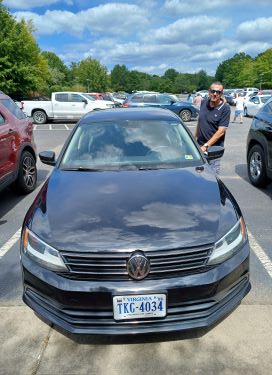
And here she is – we call her Joan because she is a Jett(a)! We were ready to explore more of Virginia and beyond.
The historically significant locations of Jamestown, Yorktown and Williamsburg are known as the Historic Triangle. We had ticked off Yorktown already but we still had the other two to see. Like Yorktown, Jamestown is a fantastic combination of excellent museum and outdoor recreation of 17th century life there. We had to visit twice because our first visit was interrupted when a violent thunderstorm was heading its way and they had to close the outdoor exhibits just in case. It turns out land travel can be at the mercy of the weather too!
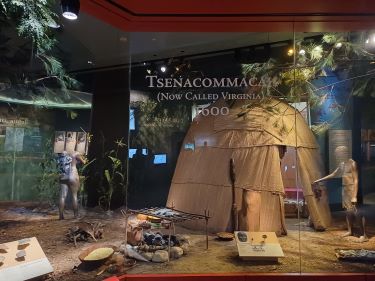

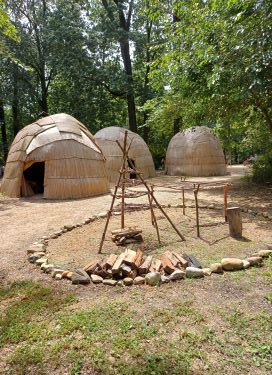
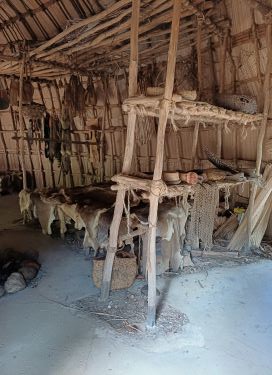

Before John Smith and the other first settlers arrived in the Chesapeake in 1607, Virginia was Tsenacommacah, the land of the Powatan people – a powerful political network of about 30 Native American tribes, led by Wahunsenacawh, father of the legendary Pocahontas. We were starting to learn a bit more about her but still had so many questions about her life – did she really have a relationship with John Smith at age 11 or did he make that all up after her death? Was she later kidnapped by the English settlers and forced to marry John Rolfe or living in their settlement voluntarily? Was the marriage politically useful to the Powatan?


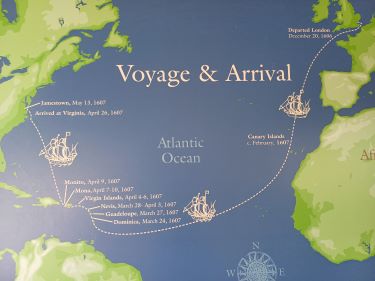
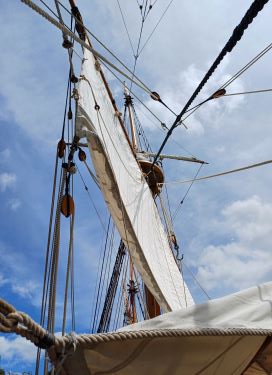
While we tried to work all that out, we were fascinated by the replica ships that brought the colonists from England in 1607- the Susan Constant and the Godspeed. We were also intrigued at how similar their journey across the Atlantic had been. It really is a well trodden route!

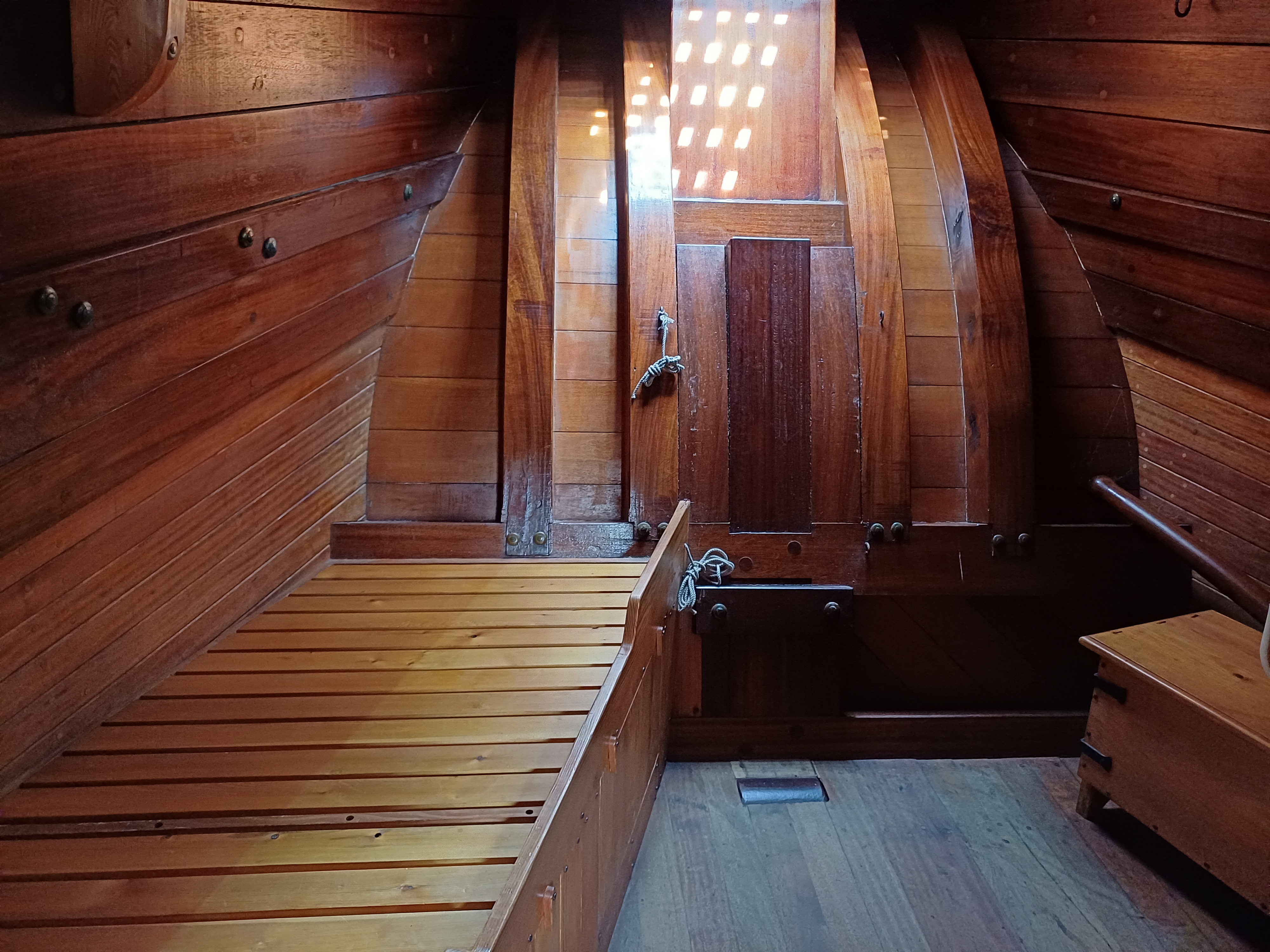

The Susan Constant carried 71 men to the new colony in 1607 and living quarters must have been tight. Only the Captain and senior crew had decent berths. Everyone else was on the floor. It was hard to imagine a voyage like that without weather forecasts, any forms of communication or a clear idea of what they would find at the other end. Life on board couldn’t have been too bad though as there was evidence they spent some time playing board games etched in barrels.

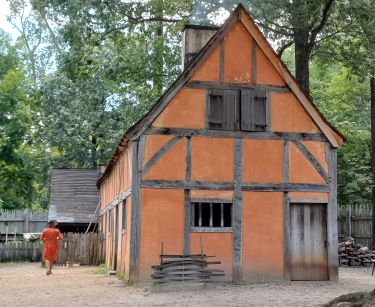
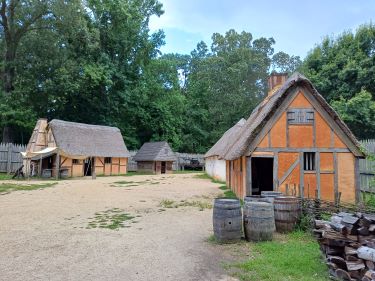

Living conditions inside the tiny fortified colony of Jamestown weren’t much better than on board the ships. The settlers had chosen to build the fort on land considered by the Powatan too poor for crops and too remote in the swampy, brackish waters.
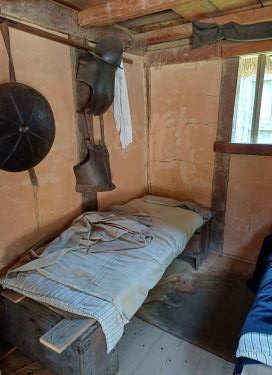


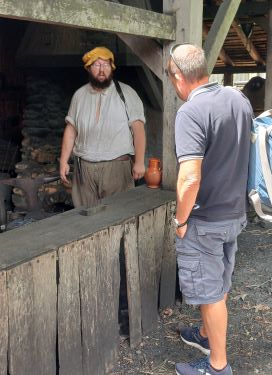
Two thirds of the first group of colonists starved to death before a supply ship arrived a year later. It was only with the help of the Powatan people, with whom they seemed to have an very uneasy and fragile truce, that they didn’t all die. Up until 1610, there are reports of the settlers surviving on snakes, boiled shoe leather and even each other. By 1614, however, John Rolfe had arrived and established a very successful tobacco plantation, turning the colonies fortunes around. When he married Pocahontas (when she was probably only 17 and after she had been the victim of a bizarre kidnapping in 1613) he was very wealthy and their marriage brought peace between the settlers and the Powatan. Jamestown remained the capital of the colony until 1699 when it moved to Williamsburg just up the road.
Williamsburg was the capital of the Colony of Virginia in the late 17th century until it was moved to Richmond in 1870, where it remains today. Its crumbling or vanished buildings were restored or reconstructed in the 1920s and it is now an extraordinary open air museum which tells the story of its part in the very formation of the United States.


Walking from the Visitors Centre, away from modern life, you really do feel like you are walking back in time


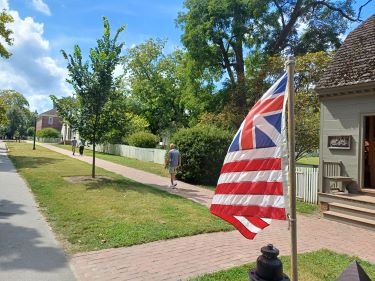


into a world where the flag had a Union Jack in the corner rather than stars and horses and carriages ruled the road. “It’s just like walking into Newmarket!” said Stefan when confronted by the 18th century architecture.
Most of the buildings in Williamsburg form part of the museum. It would be impossible to squeeze all of them into just one day so we chose just a selection.

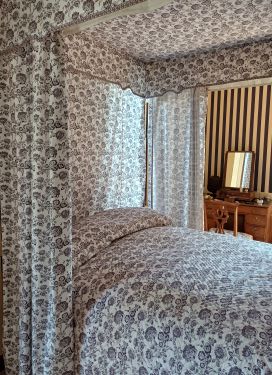
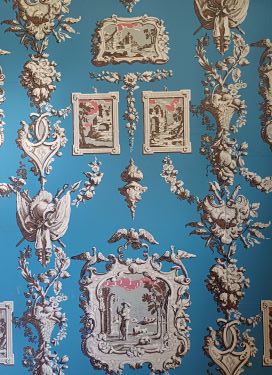


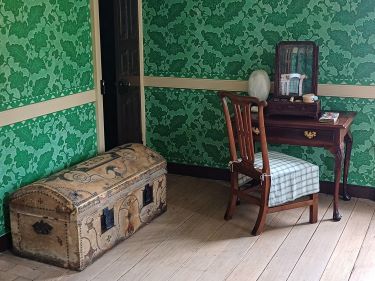
First was the George Whyte House, home to the prominent lawyer and signatory of the Declaration of Independence. It was, however, the beautiful interiors of his home that stood out.
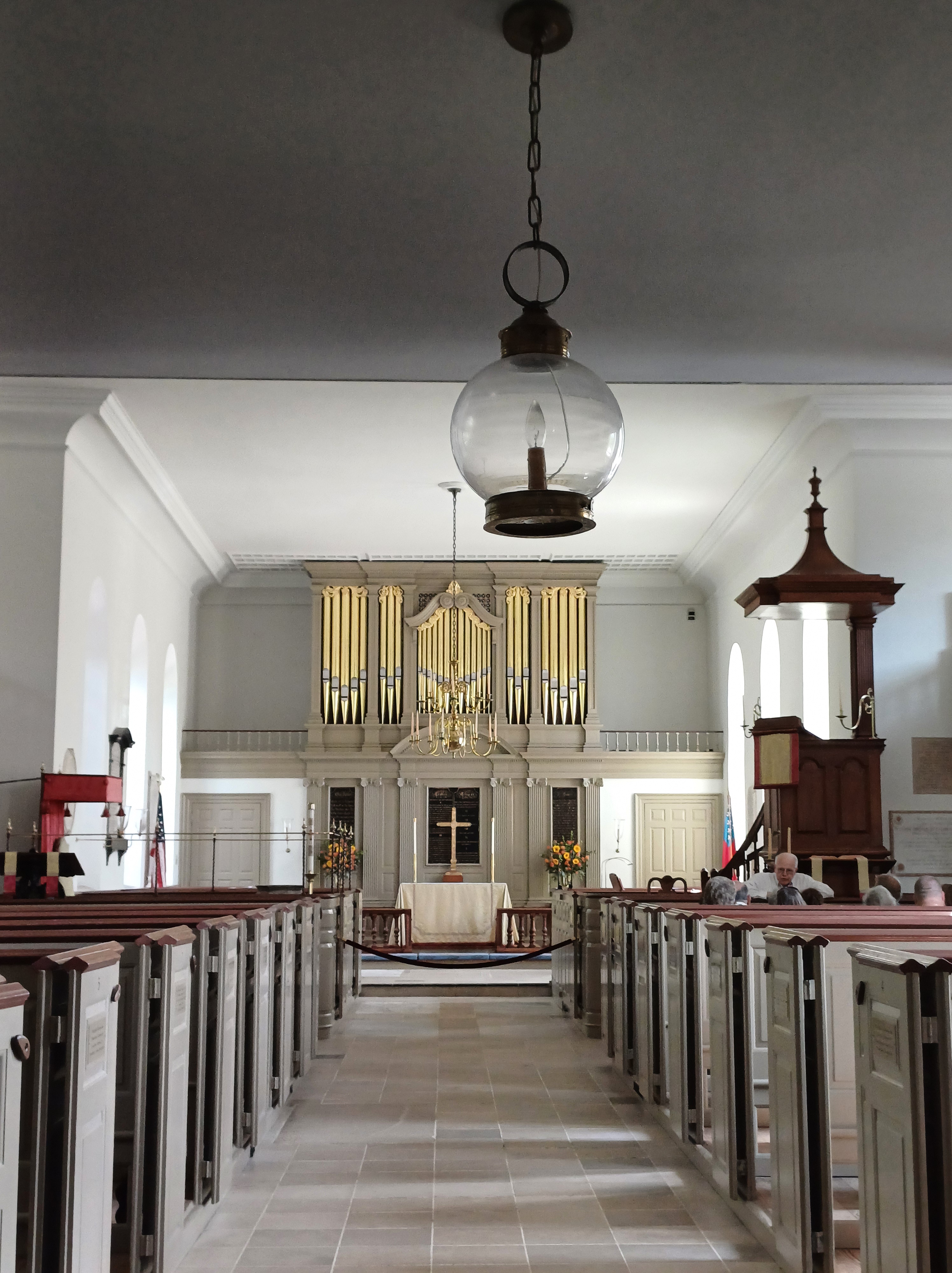
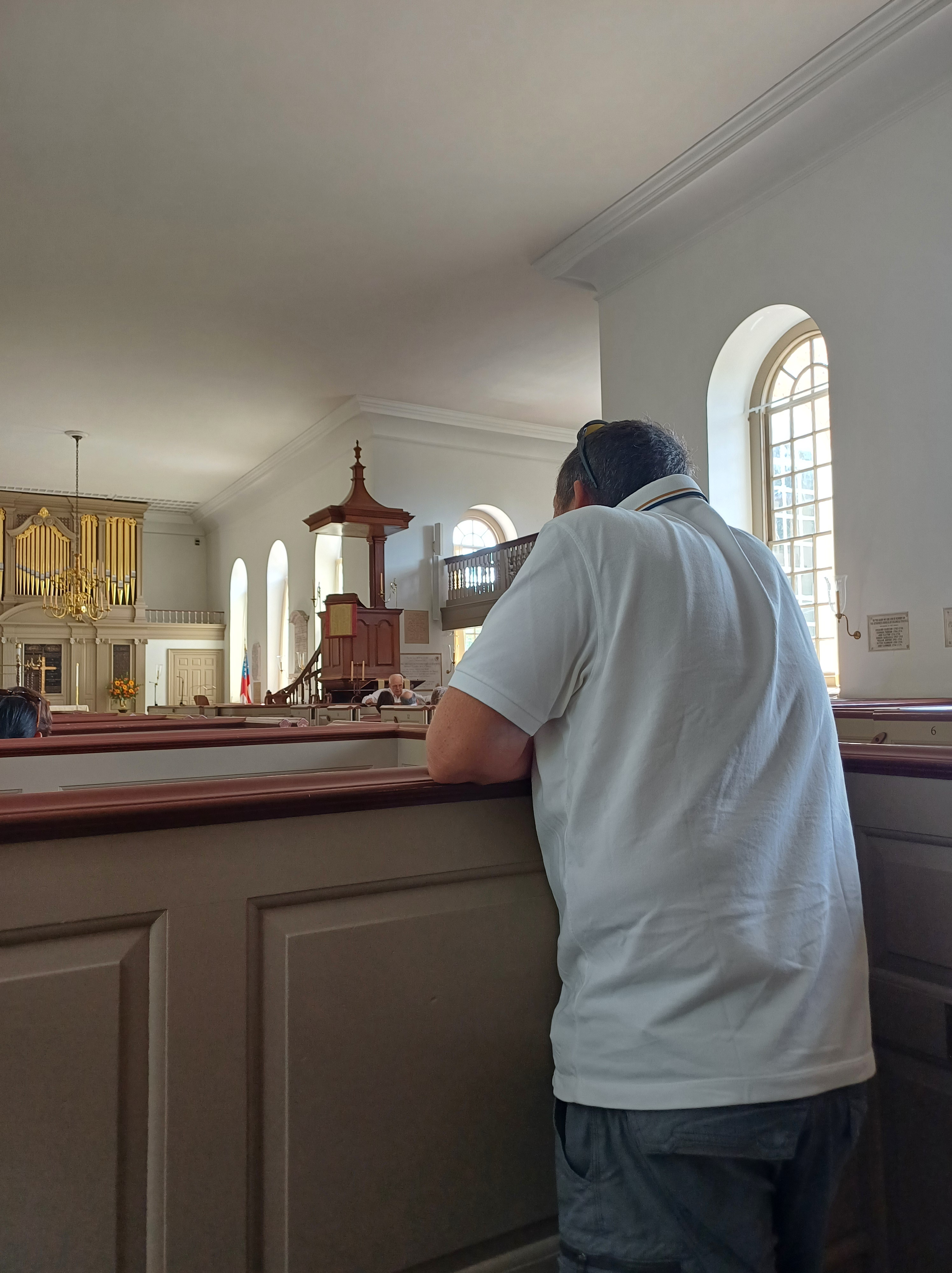
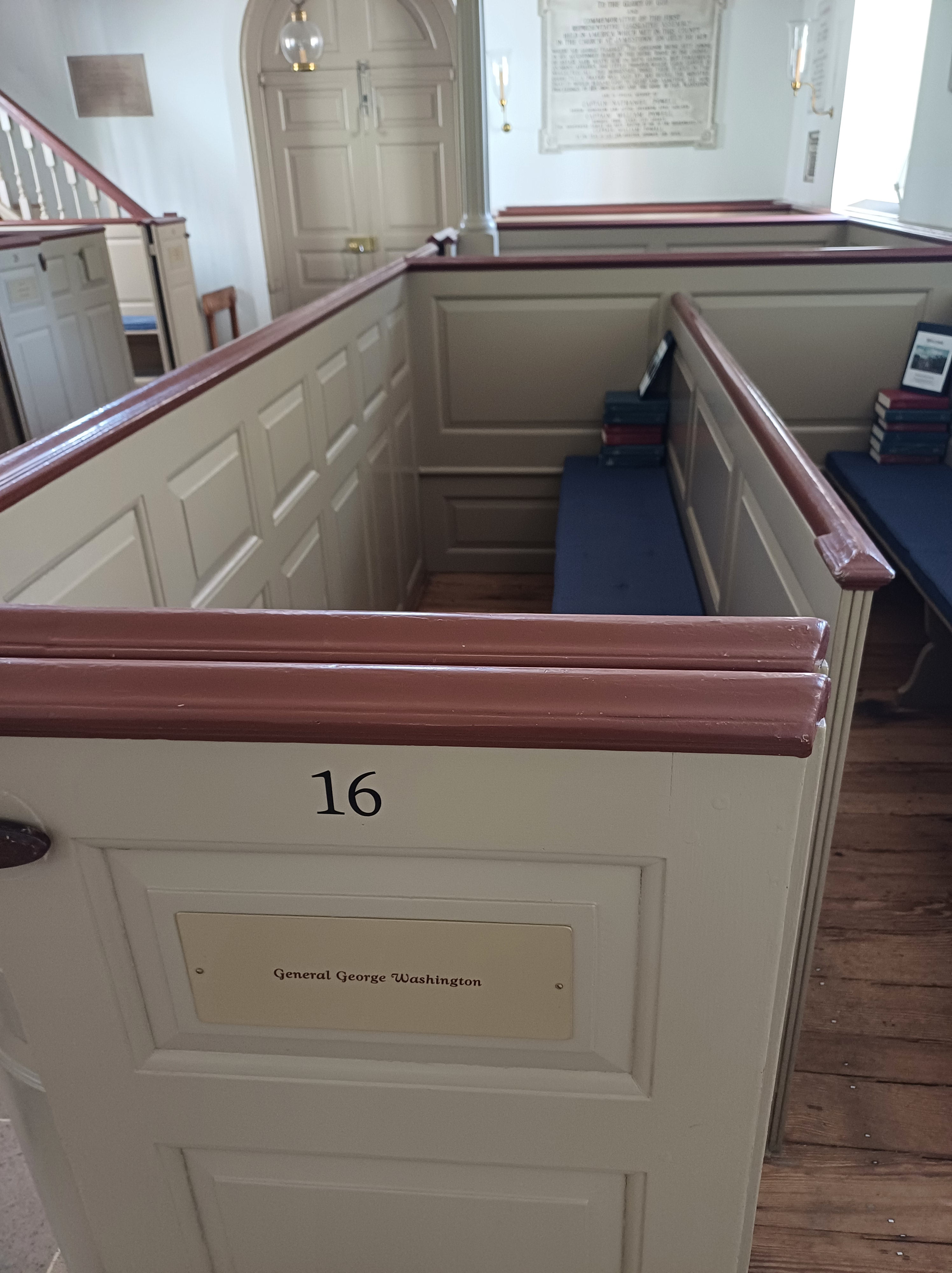

Our next stop was Bruton Parish Church, a place of worship since 1674 and, as we visited, celebrating its 350th anniversary. Enthusiastic volunteer members of the current congregation gave insights into its long history. As members of the Virginia House of Burgesses, George Washington and Thomas Jefferson would attend services there when they were in town. During the Civil War, the church temporarily turned into a hospital for wounded Confederate soldiers.


The main street, Duke of Gloucester Street, houses all the businesses and civic buildings you would expect to find in 18th century life along with lots of its inhabitants.

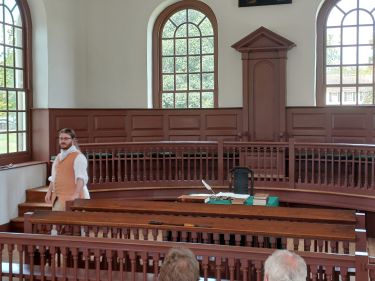
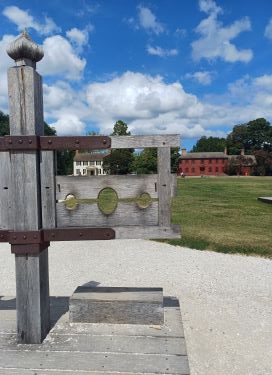
Of course these two justice nerds stopped in at the courthouse to learn about 18th century justice and by whom and how it was dispensed. Spoiler alert: rich white men!

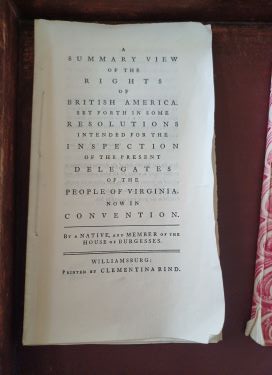
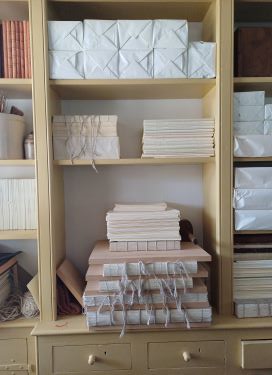
But we also stopped in at the printer,

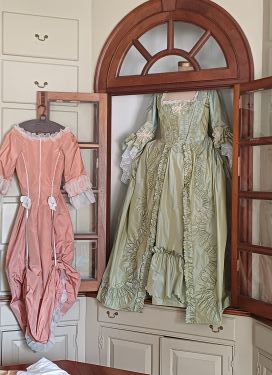
the dressmaker,
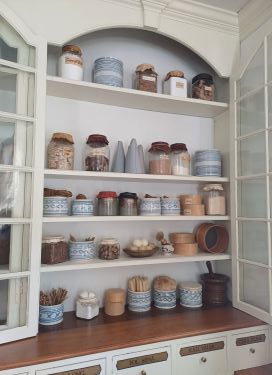

the pharmacy,


the surgeon,
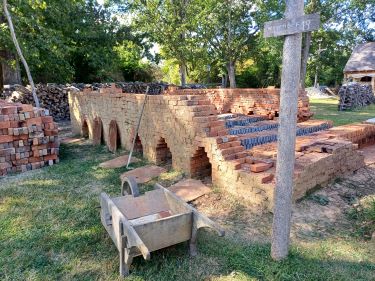


and the brickmakers.


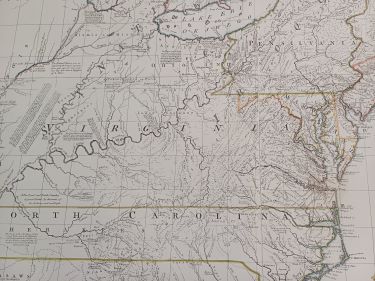


Our favourite bit, however, was a guided tour of the reconstructed Capitol building building where the upper and lower houses of the Virginia legislature would have sat. In 1774, in response to the revolutionary ideas of those elected to the lower house, including George Washington and Thomas Jefferson, the Governor’s Council, sitting in the upper house, responded by dissolving the lower house and thereby paving the way for the Revolutionary War and the Declaration of Independence from England.

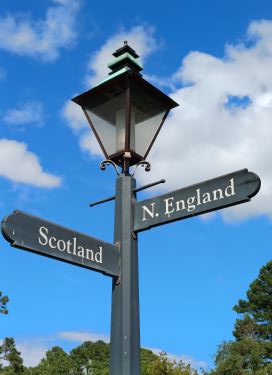
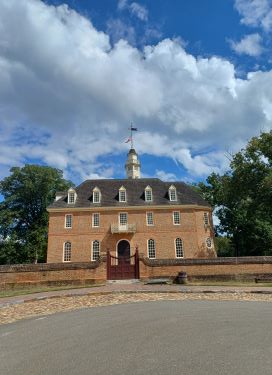
The architecture and street names were just so familiar in Williamsburg and we’d had such an immersion into 18th century life that it was a bit of a jolt to emerge back into modern life in Virginia’s River Realm…
 Adventures with Pintail
Hi Stefan and Emma
Hi, I won’t ask how you are! It’s pretty obvious you are having a great time on the east coast.
Now you have a car. You’ll be able to really see all the little interesting things many miss. Enjoying your journeys. I’m getting pretty settled here. No international travel plans. Though am planning to drive over to see my son in Broome via Cape York.
All the best Nigel
LikeLike