22 August to 25 October 2024
Sometimes it felt like not much has changed since the early colonists arrived in the peninsulas of the western shore of Chesapeake Bay. There is no big metropolis. Just farmland, scattered houses, tiny towns and a disproportionate number of churches. Certainly the mobile phone signal is prehistoric!
These places are isolated by their geography and driving anywhere requires crossing a bridge or two.


We started our local explorations of the River Realm on the peninsula just across the Piankatank River, in Matthews County with a picnic on the Riverside and a view that was now becoming quite familiar – marshy wetlands leading to the vast Chesapeake Bay beyond.


Matthews, also the name of the main town, only has a population of 8,500. The old Sibley’s General Store is now a museum/visitors’ centre, celebrating life on the waterfront. Although a tiny town, the events board suggested that there was more going on than the quiet streets would lead you to believe.

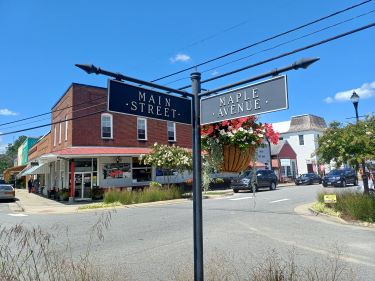
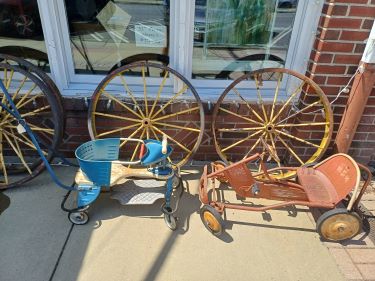

Farming and fishing are still the town’s main preoccupation but there were also a fair few gift and antique shops – including this one that was literally pinning its colours in the current election to its mast. We made a mental note not to patronise them.


We had been through Gloucester many times on the way to the car hire place and to Aldi and Walmart but we had never stopped on its Main Street. So one Sunday we took a purely tourist trip. It was only when we walked passed it that we realised that the Texaco garage we had driven passed so many times was not an active one but a historic monument – a 1930s petrol station that was part of the national Registered Rest Room project for respite from long car journeys. The facilities included a separate men’s room and ladies lounge!
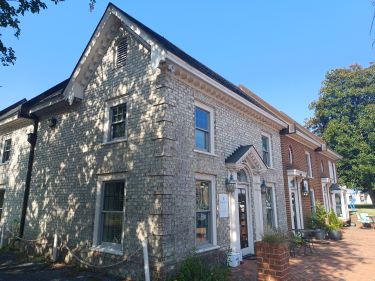


Historic buildings line Gloucester’s Main Street along with a few boutiques and coffee shops and not much else except a whole lot of really fun street art.


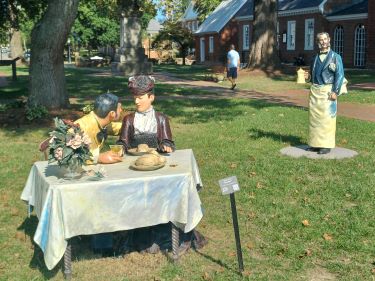

There was a series of sculptures that looked like they’d stepped right out of a Renoir painting

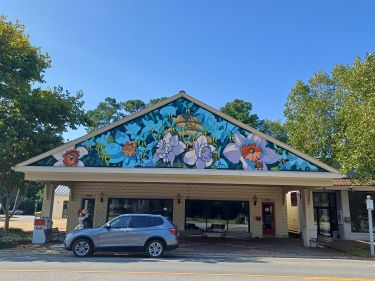
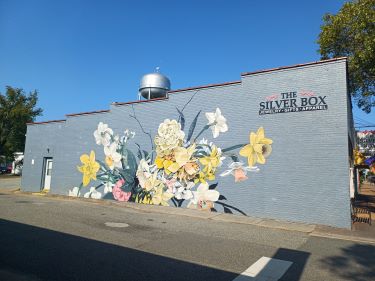

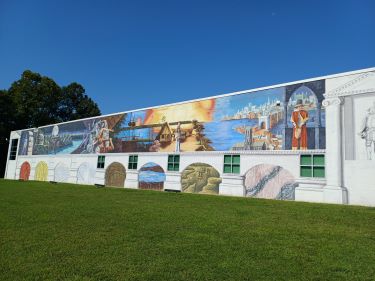
and some beautiful murals.
Narcissi represents the fact that this area is apparently the Daffodil Capital of America, Watermen, Waterfowl honours the men and women who make a living fishing, oystering and crabbing in its waters and Beecycle rather bizarrely depicts bees riding bicycles! The women of Gloucester were very well represented in the murals. Life and Legend of Pocahontas chronicles the stages of her life in the River Realm. (Gloucester is the location where, according to his (often quite unreliable) account, John Smith was saved by Pocahontas from her father’s murderous intentions.) A brand new mural spotlighted other notable women – local writers, activists and pilots. It taught us about Irene Morgan who, in 1944, 11 years before Rosa Parks, refused to give up her seat on the bus to a white passenger. The Supreme Court decision in Morgan v Virginia found segregation unconstitutional and paved the way for other civil rights victories.

But our favourite mural was the one we would see every time we drove through Gloucester and tells the story of TC Walker, the first African American to practice law in the County. ‘Lawyer Walker’ was born a slave in 1862, just before the Emancipation Proclamation, but rose to be appointed advisor to President Roosevelt and use his influence to improve the lives of African Americans in Gloucester and beyond.
There was even a mechanical horse sculpture, brought to life at the press of a button.
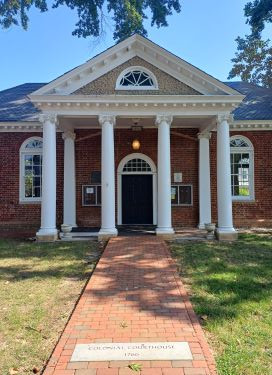
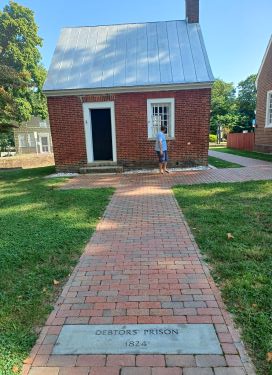

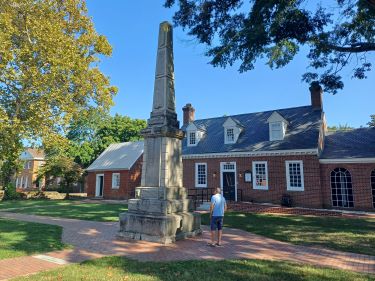

At the end of Main Street, is a circle of 18th century buildings including the courthouse, built in 1766 and one of the oldest in the country. To house those sentenced by the court, there is also a small jail and debtors’ prison. In the delicate line of the remembrance of history in these parts, this historic area remembers both the Confederate soldiers of the town who died during the Civil War and Private James Gardner, an African American Union soldier, born in Gloucester and who won the Medal of Honor (the US’s highest honor) for his role in the Battle of Chaplin’s Farm.
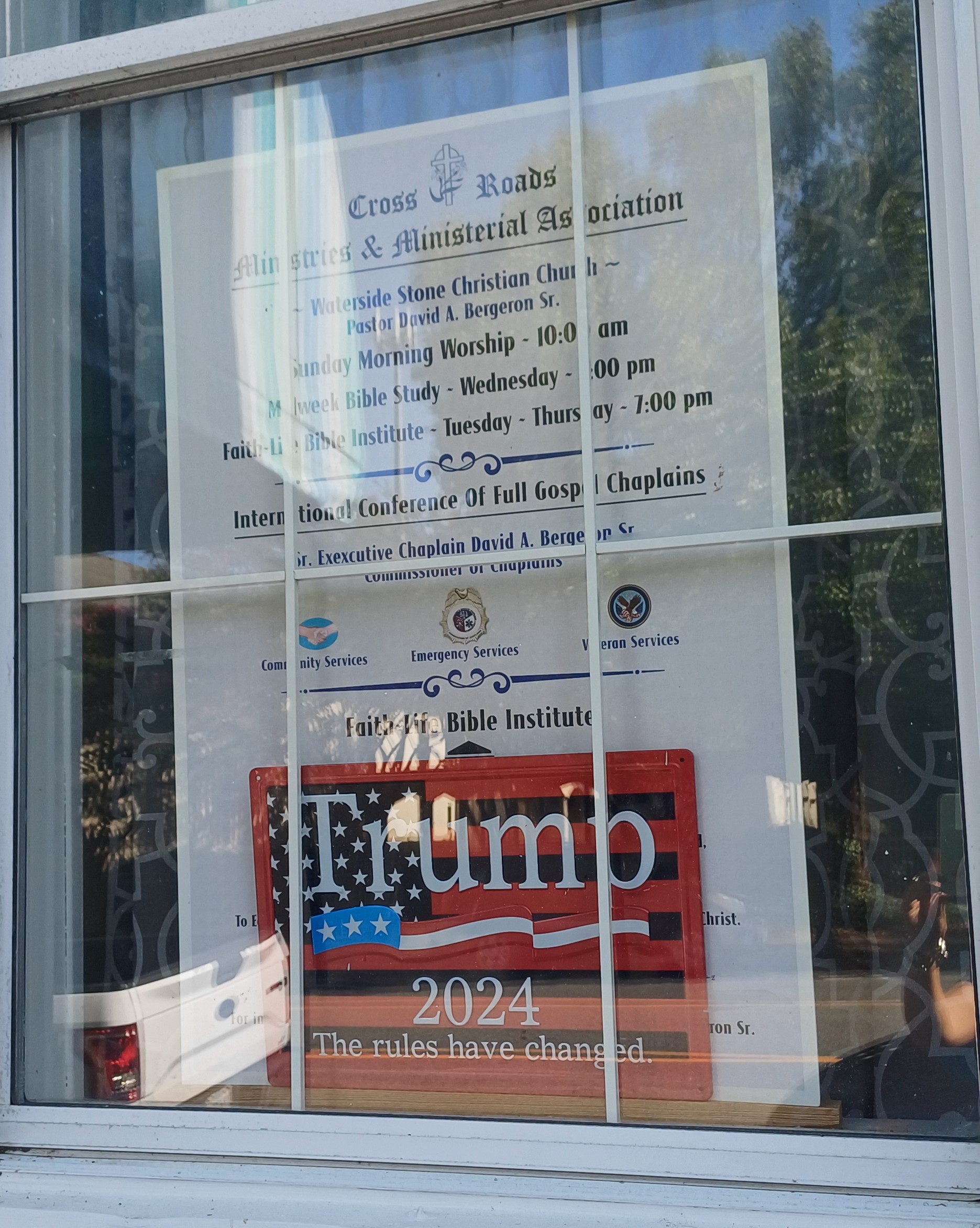
Walking back up the other side of Main Street we were slightly perturbed that the local churches were joining in and taking sides in this election. We wanted to ask Pastor David A. Bergeson Sr exactly what rules it was that had changed.
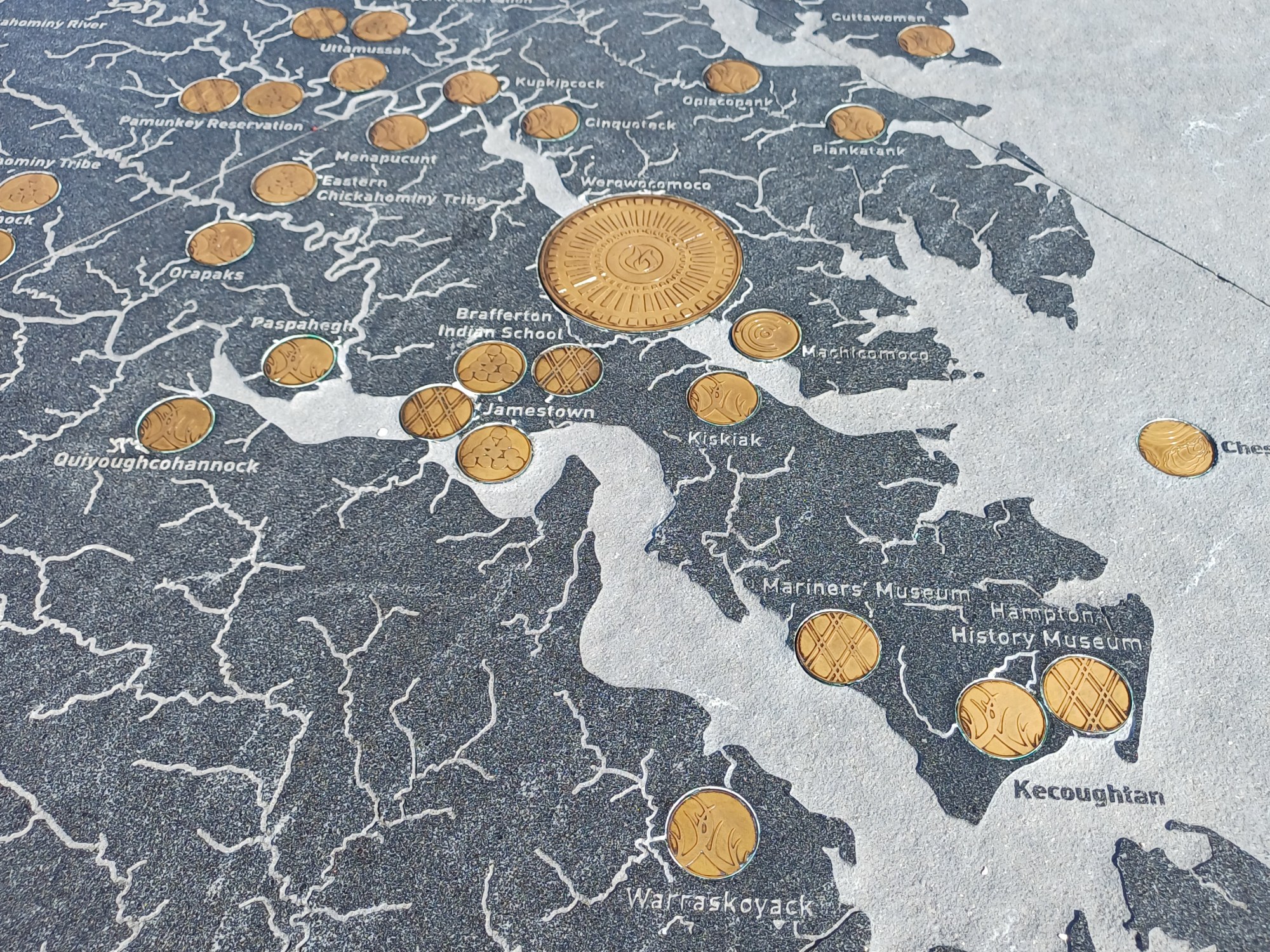
Other than the Pocahontas mural and the names of the rivers, there is very little to tell you that for 18,000 years Native American people have lived along Chesapeake’s waterways. Yet the Algonquin speaking people of the Powatan Confederacy lived in settlements throughout the River Realm, skillfully navigating their way through its creeks in a way John Smith could only dream of.
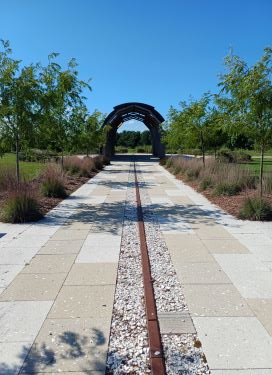
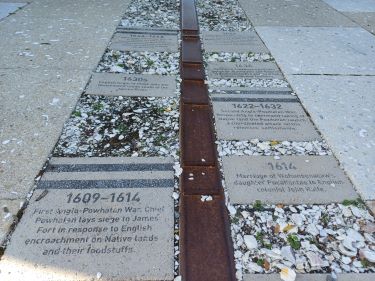

The Machimocomo State Park sits on the northern bank of what was the Pamunkey River, until the first settlers renamed it the York River. Machimocomo is Algonquin for special meeting place and is just 10 miles down river of Werowocomoco, the Powatan’s capital. Machimocomo was their hunting and fishing ground. Evidence of their oyster middens remains today and the park does a great job in remembering just how long the Powatan had lived there and how quickly their rich lands were taken from them.
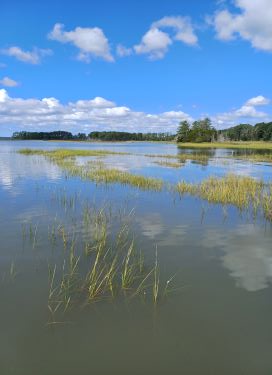

It’s easy to imagine their canoes gliding through these tranquil waters.

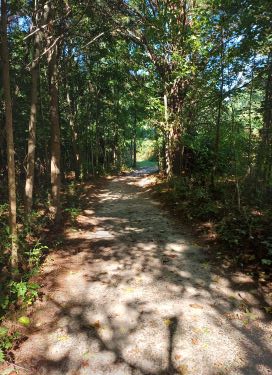


We took one of the park’s hiking trails through shady woods, getting a lesson in Algonquin along the way.
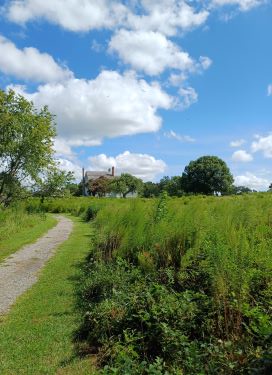

Timberneck House, built in 1793, still stands as a reminder of those who came and took the land away from the Powatan.
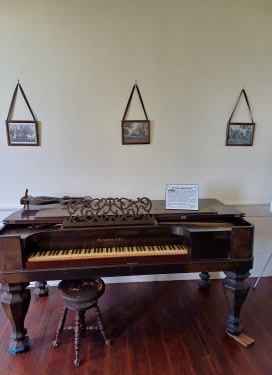

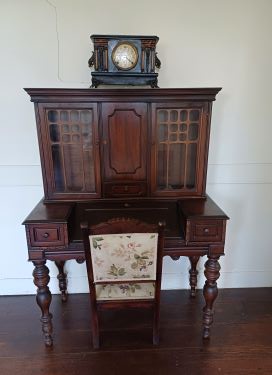

Inside, volunteers are busy restoring the house as an example of 18th century colonial life.


Our favourite local park, however, was the Beaverdam Park just north of Gloucester. It has nine miles of walking trails and a multi-use trail for bikes and horses too. It’s easy to get lost on the trails and so we had to sign in and out at the trail head.

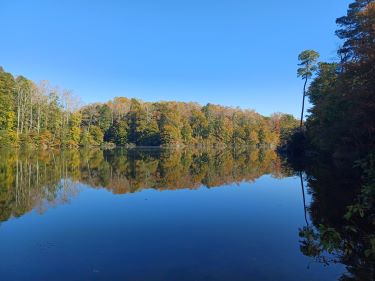
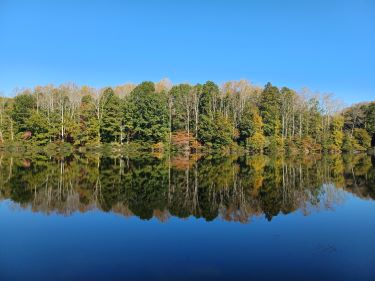
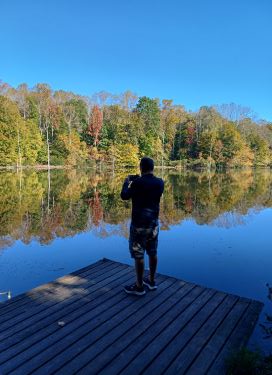
On the still Autumn day we first visited, the reflections in the lake were just stunning as we followed the trail along the water side.


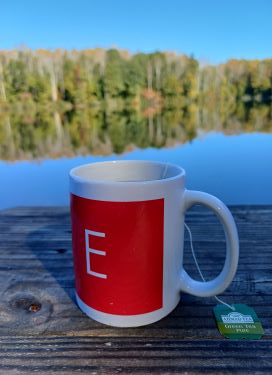

Despite the warnings about all the scary looking snakes that share the park, the only pests we found were spiders – Stefan grabbed a stick to bat away their webs as we went through the woods – and a big duck that was very interested indeed in our sandwiches when we stopped for lunch!


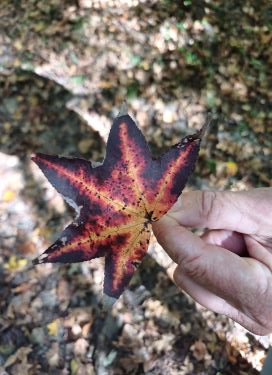
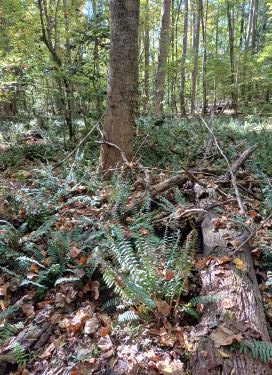
We loved Beaverdam so much that we returned again to walk another of its trails, this time over the swamps and through the woods.
Apart from one other couple and their enthusiastic dog, we had the company of only the birds and the soundtrack of their song. Stefan couldn’t help but join in!

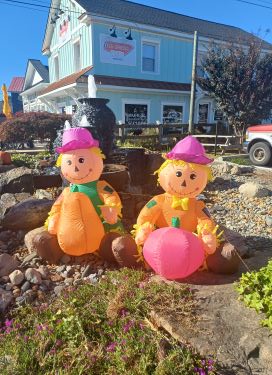


Our favourite day trip was our day out back to the Northern Neck. We stopped first for coffee in a very festive Warsaw, a village renamed in 1846 in support of the November Uprising in Poland.
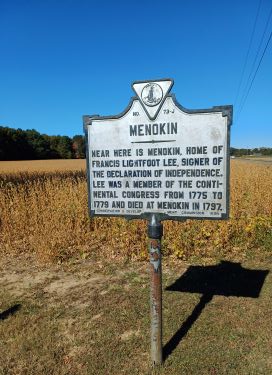
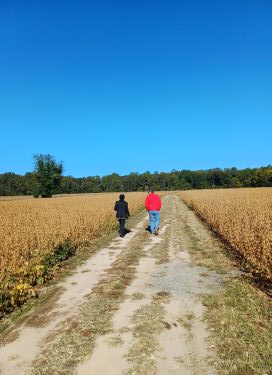

But our planned destination was Menokin, the home of Francis Lightfoot Lee, another signatory to the Declaration of Independence. We had booked ourselves on their Revolutionary Women tour. It turned out we were the only ones so had an exclusive look around with our guide.


Menokin is a rather extraordinary project for two reasons. Firstly, it centres the enslaved people who lived and worked in the house and on the land and hosts a collective of their descendents who meet regularly and are actively involved in the project.


And secondly, it is an ambitious architectural project. This rather modest 18th century house was almost destroyed when a tree fell through it in the 1960s but it is one of very few such houses for which the architects original drawings still exist.


The remains of the tree that nearly destroyed the house are still on the terrace behind it, complete with an 18th century wrench embedded in the wood.


We got to climb up inside the ruined walls of the house to get a closer look at its original construction – including the oyster shells added into the cement.
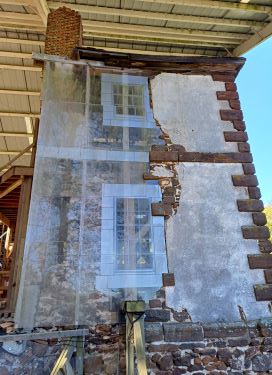
The very bold idea is not to restore the building back to its original form but to encase the missing sections of wall and roof in glass to give an impression of what it would have looked like and to keep it watertight. When finished, it promises to be a stunning piece of architecture.
As she showed us around, our guide weaved in stories of the women who have lived on the land, from Native American women, enslaved women and colonial women all who stepped outside of gender stereotypes to make a difference.
It is a place we would love to return to once the work has been finished. It’s going to be an incredible sight.
But while we got to know the River Realm a little better, we also needed to take Joan on a longer road trip, back up to Maryland…
 Adventures with Pintail