12 to 18 October 2023
Playa Mujeres, Lanzarote to Gran Tarajal, Fuerteventura, 47nm, 8 hours
to Costa Calma, 28 09″ 06′ N 14 13″ 42W, 12nm, 3 hours
to Morro Jable, 28 02″ 79N 14 21″ 20W, 10nm, 2 hours
Our sail down the east coast of Fuerteventura was the kind of sail we hoped was a taste of the downwind sailing we should get across the Atlantic. A good breeze on the stern quarter, the gentle motion of swell and an extra knot from the Atlantic current totally expunged the demons of our sail with Robbie along that same coast in 2015. It couldn’t have been more different.
That perfect sail was, however, abruptly shattered by a pan pan message over the radio. A warning to keep a watch for an inflatable boat with around 40 people on board was given for the coasts of Lanzarote and Fuerteventura. It was the first of many such warnings we would hear whilst sailing in the Canaries, each one utterly heart-breaking. The number of migrants attempting the unimaginably treacherous crossing from the African coast is at an all time high this year and it is terrifying to think about the jeopardy of taking to the Atlantic in a small inflatable.*

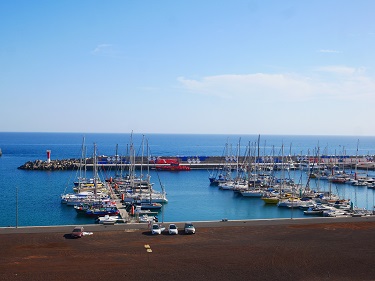
We found the marina at Gran Tarajal very much more busy than when last there with Robbie. Then the pontoons were almost empty. This time we literally raced another couple of boats into the last space next to a fishing boat. We didn’t have a reservation (we couldn’t navigate the online booking system and our Spanish wasn’t up to it when we tried to call!). The security guard didn’t know how long we could stay but the good news was that it was a bank holiday the following day and then the weekend so we were good to stay until at least Monday when the office opened again!
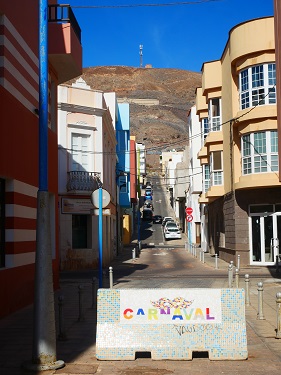
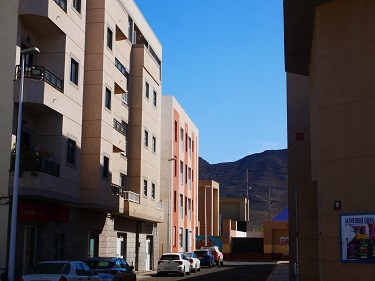


It felt like an impossible dream come true to have brought Pintail all the way to Gran Tarajal. When we first sailed there with Robbie we could not have imagined the circuitous route we were to make from Essex Marina in our own boat. Eight years on, we found the place much as I remembered it (because Stefan didn’t remember it at all!) To be fair, it is a no frills kind of place with a seaside vibe drawing locals rather than tourists. A small town with abrupt edges into the wilderness beyond but big enough to serve up a very decent Indian restaurant and a couple of good supermarkets.
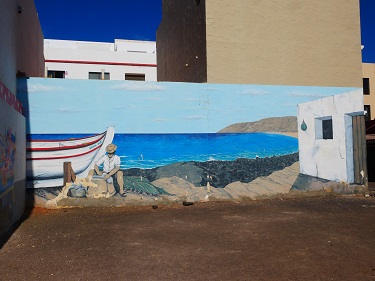


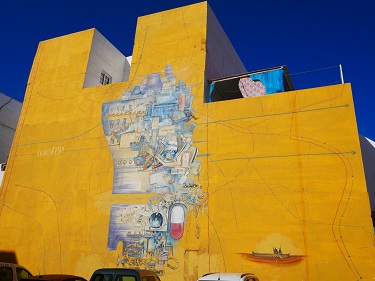

The town had lived longer in my memory because of one feature – its murals. As in Estepona on Spain’s mainland, valiant attempts to brighten up an otherwise concrete jungle with huge murals had been made throughout.


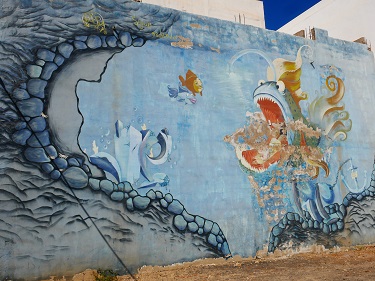
The murals that had caught my camera’s lens in 2015 had faded somewhat in the intervening years but were still doing their job of lifting what could be an entirely nondescript place to one with a cartoon surprise around every corner.


And the murals had now been joined by a number of metal sculptures along the beach, their rust reflecting the colour of the bare hills around and reminding us yet again how good Spain is at public art.
When the marina office opened again on the Monday morning we were told we would need to leave the following day so we quickly hired a car to see a bit of the island before we had to be on our way again.


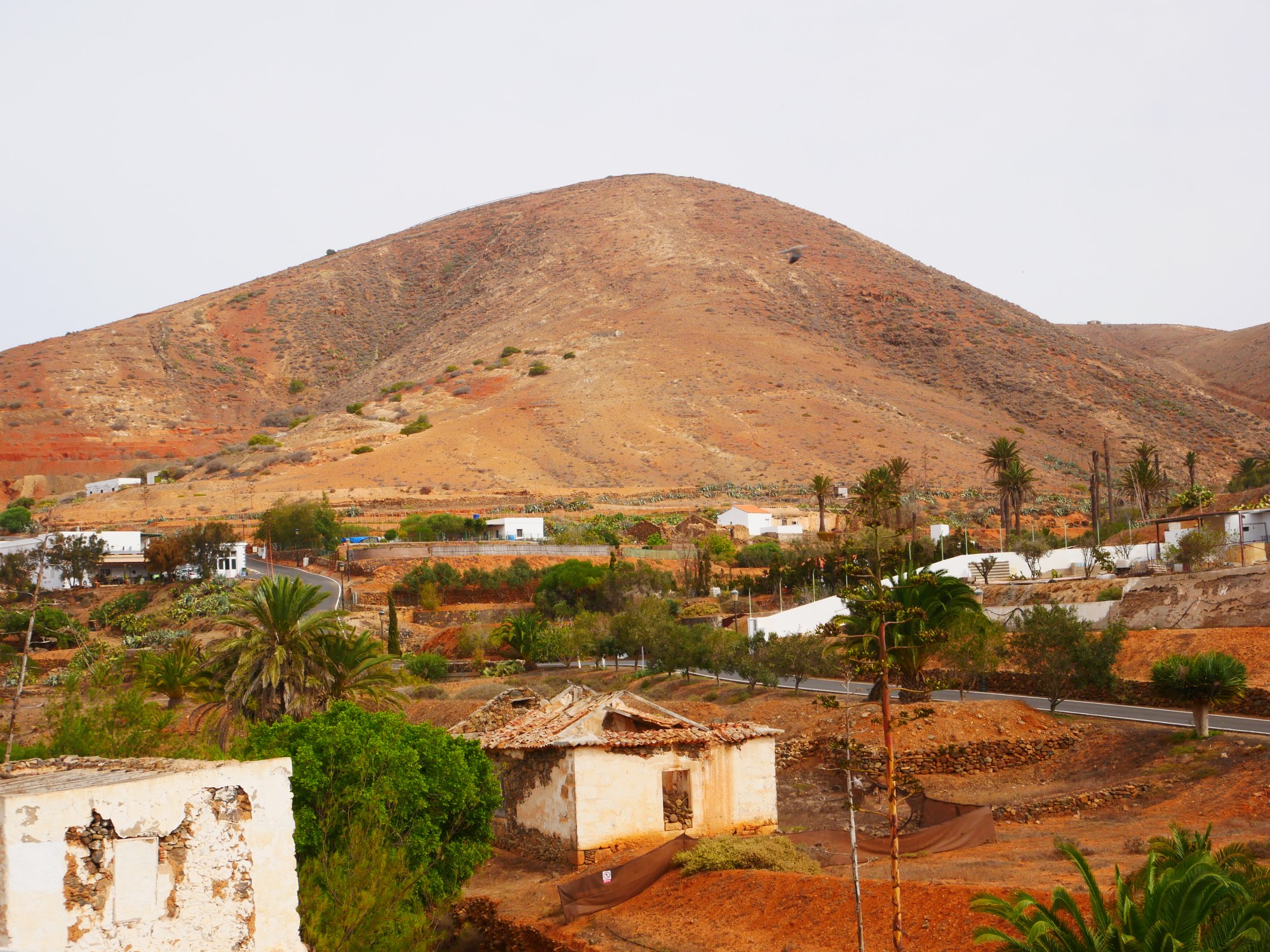
The rust red landscape of the interior was an instant contrast to near neighbour Lanzarote and is peppered with abandoned houses, farms and even villages like the one at La Florida.


We headed high into the hills to the first capital, Betancuria, founded by Jean de Bethencourt when he conquered the island in 1404. Unlike Madeira and Porto Santo, however, neither Lanzarote or Fuerteventura were uninhabited when the Europeans arrived. Bethencourt found the Guanche people living peacefully on Fuerteventura. Tall, blond and blue eyed, the origins of these people, celebrated in giant sculpture at the Morro Velosa mirador, is disputed. Some say they are of Berber origin from across the sea in Morocco, some say they were Celts from further away in Western Europe. Whoever they were, I feel like I might have found my people!

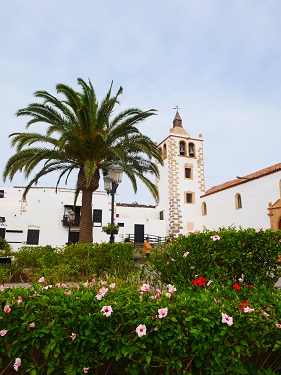
Tucked away as far from the coast as possible to give protection from attacks by the Barbary pirates, Bethencourt’s seat is nothing more than a village by today’s standards but a very pretty one. It’s focal point is the 17th century Iglesia de Santa Maria. Previous incarnations of the church had been razed by the aforementioned pirates who had discovered its location seemingly as easily as we had!

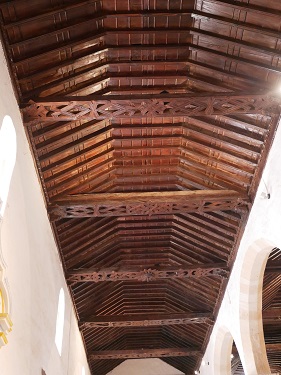
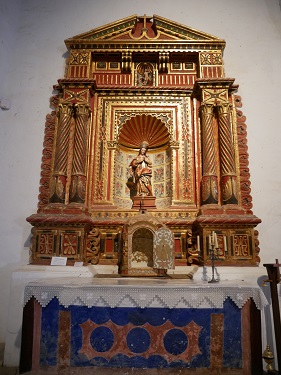
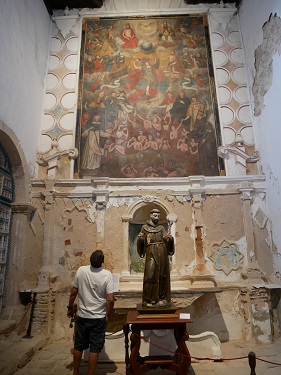

Inside the church, its simple but beautiful frescos and mudejar ceiling were an unexpected treat.


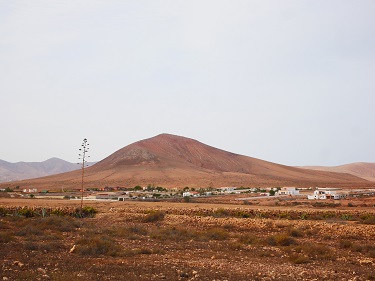
We drove further north to the town of La Oliva but we had not quite readjusted to the oddities of Spanish opening hours and, it being Monday, most museums and restaurants were shut. Happily, the landscape more than made up for the lack of visitors attractions with their doors open.


Look on Googlemaps at the skinny southern tip of Fuerteventura and there is a stretch that looks like one giant sand dune. This is where we headed when we got kicked out of Gran Tarajal the following day. We were suspicious of somewhere named the Costa Calma but it turns out it got that name for a reason and we had a lovely calm night anchored off the sand mountains.


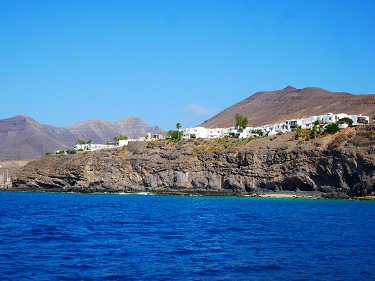
The next day our thoughts turned to crossing to Gran Canaria but first we sailed on to Morro Jable, almost at the very southern tip of Fuerteventura, and spent a few hours anchored off the tourist resort there and in the shadow of the dark mountains of the Jandia National Park…
*On our second day in Gran Tarajal we saw a number of migrants brought safely into the harbour, sitting patiently but alive waiting to learn their fate. We don’t know if they were from the same boat we had received the call about and they were still facing a very uncertain future but at least they were safe on land. If you want to read more about the migrant crisis in the Canaries, I found this article, An obscure island grave, particularly poignant.
 Adventures with Pintail