
31 March to 10 April 2024
San Juan, Puerto Rico to Matthew Town, Great Inagua, 20° 57′ 47″ N, 73° 40′ 73″ W, 454nm, 3 days, 11 hours 30 minutes
to Man o’ War Bay South, 21° 2′ 13″ N, 73° 39′ 63″ W, 6nm, 1 hour 30 minutes
to Man o’War Bay North, 21° 5′ 47″ N, 73° 39′ 05″ W, 3nm, 1 hour
to Salina Point, Acklins Island, 22° 11′ 88″ N, 74° 16′ 97″ W, 75nm, 13 hours 30 minutes
to Landrail Settlement, 22° 49′ 03″ N, 74° 20′ 70″ W, 35nm, 6 hours
From Puerto Rico, we decided against a stop on the northern coast of the Dominican Republic. It meant a very long passage direct to the Bahamas but we wanted to get some miles behind us with such a long way still to go before we got to the States. Also, with civil and political unrest in Haiti threatening to spill across the border we felt it safer to pass by at a safe distance. It’s funny how suddenly a passage of 450 miles didn’t feel so far but we had forgotten what it was like to sail such distances just the two of us.
It was very hard to say goodbye to Babs and Rene. We felt so worried for Babs and her back and hoped she would recover as quickly and thoroughly as possible and that they would find a solution to getting themselves and Momentum to safety before hurricane season. And we were so sad not to be having their company through the Bahamas.
We knew the first day of our passage would be a bit bumpy. There was a significant swell but the wind was good for the few days we needed to reach Great Inagua, our first stop in the long island chain. If we delayed even 12 hours we would probably have to motor for the last day. Preserving diesel was a priority because opportunities to fill up would be few and far between in the remote often uninhabited islands.
And it was a very bumpy first night. Neither of us got much sleep during our off watches and slept most of our daylight off watches the next day to make up for it. Soon though, the sea state calmed and with steady winds we were making great progress towards our destination. Heading offshore to keep the wind, we could barely make out the coast of Dominican Republic or Haiti. We didn’t even see the Turks and Caicos as we passed south of them.
Despite some unimaginative but descriptive names like Crooked Island and Long Island, we were not sure what to expect from the Bahamas apart from very clear, very shallow water and a lot of high end tourism. What we hadn’t appreciated was quite how isolated and small the communities of these very low lying islands were going to be.
We arrived at the anchorage on Great Inagua in the dark but there were three or four other boats there indicating we were in the right place.

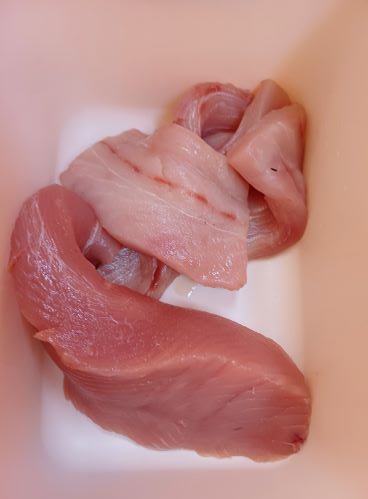

By morning we woke to the most incredibly clear water that could only mean we were in the Bahamas. We had been joined in the anchorage by a couple more boats who had also taken advantage of the weather window from Puerto Rico. Amongst them was Kate and Clay on their catamaran SV Bitty Rose. They came by to say hello and to offer us some fish they had caught on their way and didn’t have room for in their fridge and freezer. We thanked them profusely for some very generous fillets of tuna and mahi mahi (and later enjoyed a wonderful meal of fresh tuna!).

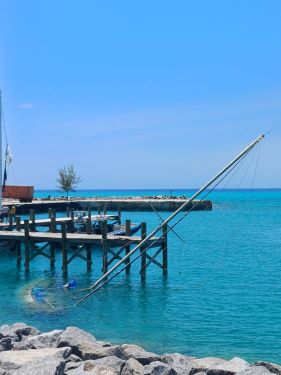
Our first job was to get ourselves and the boat checked into the Bahamas. We took the dinghy into the tiny harbour, tied it to the very high pontoons and climbed up the ladder – a little scary for my vertigo! And there was another reminder of why we were heading north before the hurricanes started.

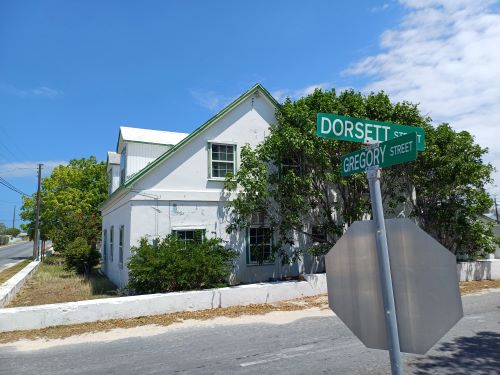
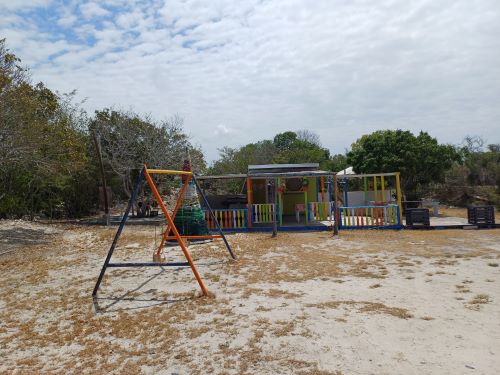

We had read that we needed cash for the customs fees so first we walked in the opposite direction towards the main town of the island. The wide tarmac road was sparsely dotted with small houses. It reminded us a little of the small outback towns of Australia. There they describe isolated outback places as back o’ Bourke, Bourke already being a pretty remote town. The Bahamas felt like its island equivalent.
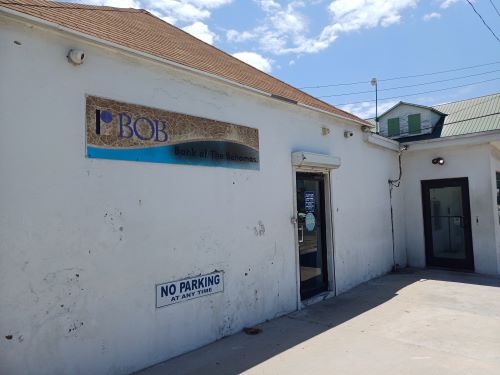
After 10 minutes and having seen barely a soul, we arrived at BoB, the Bank of Bahamas, a tiny single story building. We tried the cash machine. It didn’t like our card so we went inside the bank, grateful for its ice cold air conditioning on what was a very hot day. Walking into the bank was like stepping back in the 1970s. Behind the counter windows were three women. We explained that our card hadn’t worked and we wanted to withdraw $500. What followed was the longest, most analogue transaction we’d completed since we had Post Office accounts as children. With all the paperwork completed and signed in triplicate, we left with our cash to find the customs and immigration offices.

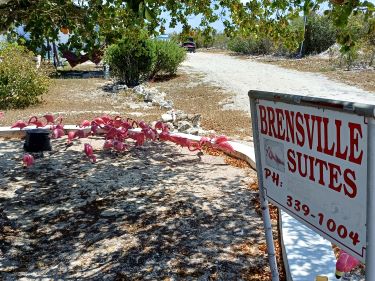


We had to walk back passed the harbour and further another 10 minutes, passed the telecommunications tower and its also very analogue phone box and passed some holiday accommodation with plastic flamingos. By now it was midday and very hot so we were bemused to arrive at customs to find the officer wrapped up in a thick puffer jacket. Whilst we filled in the forms online he stepped outside to warm up. The air conditioning was too cold for him! Having handed over $300 of our newly withdrawn cash for our cruising permit, we chatted to him about our planned route through the Bahamas. He told us that his father and grandmother were from Rum Cay, an island we planned to stop at and he gave us their names saying everyone there would know them. We started to realise just how few people live on these islands.
Matthew Town is the main settlement on Great Inagua. The island’s population is only 856 and a majority of them work at the salt factory just north of the town. We moved on from the open anchorage at Matthew Town to the more protected Man o’ War Bay where we anchored just south of the salt works. Ironically we were running low on salt but apparently the majority of the salt produced here is exported to Europe!

When the wind shifted we headed across the bay to better shelter in the north. Approaching the anchorage we saw a catamaran with what looked like a bright turquoise hull. Getting closer we realised it wasn’t the hull paint, it was the reflection of the water. It was our first experience of the incredible clarity of the sea around the Bahamas. We also realised that the catamaran was Bitty Rose.


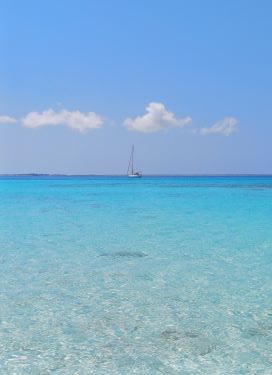

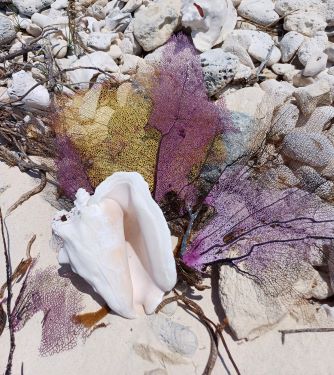
We had a couple of days to wait for some good wind to move on from Great Inagua and so we had time to explore around the bay. We had a dinghy ride along the shore and a walk along the beach where we found evidence of the reefs off the beach and we spotted some of the reported 60,000 flamingos that live on the salt lake inland – not plastic this time!


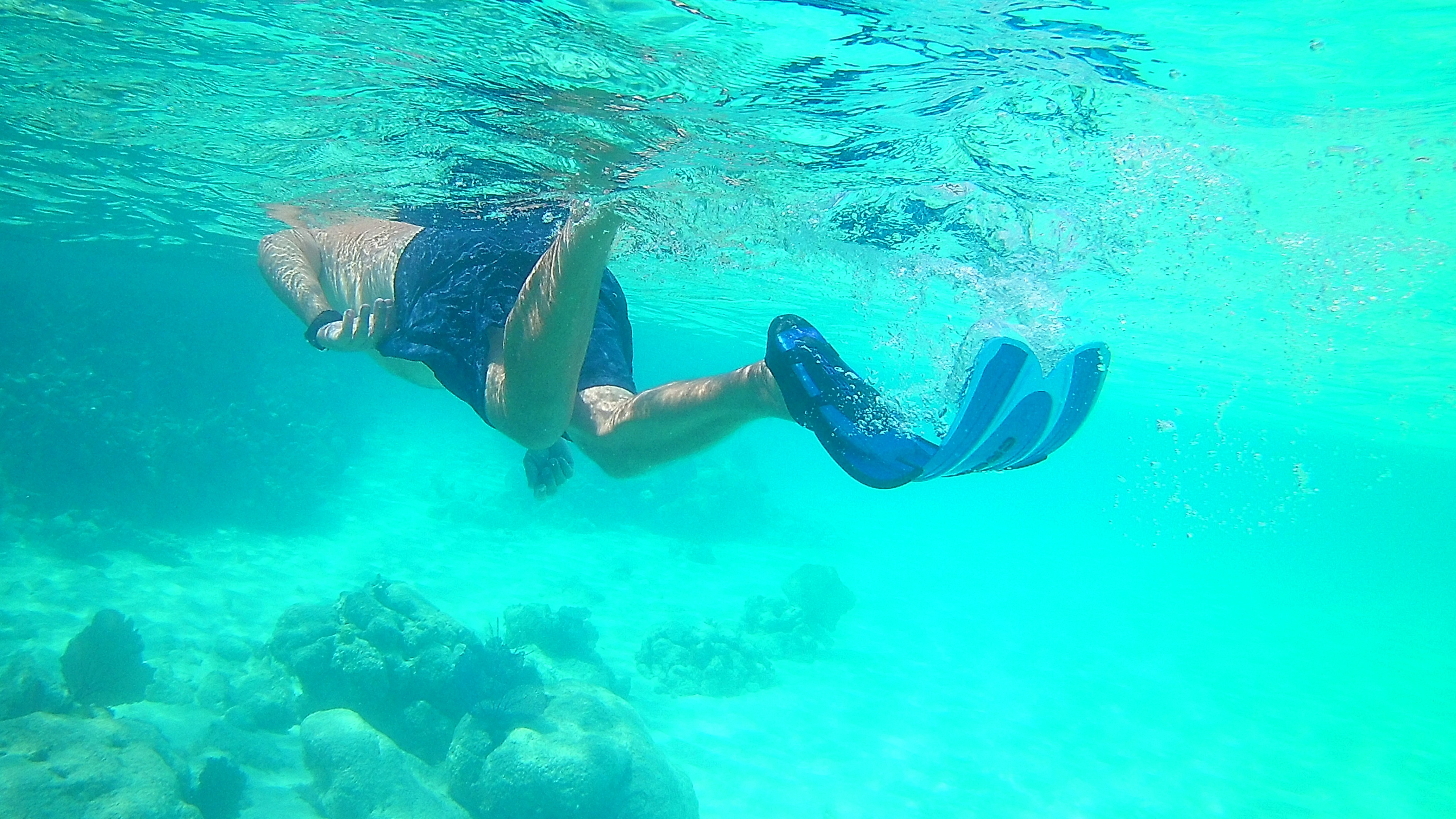
The highlight though was a snorkel over the coral reef. Sadly the coral was dead but there was plenty of life amongst it. Returning to the boat we met Clay from Bitty Rose heading off to spear fish. He told us he had seen a bull shark whilst diving the same reef we had been snorkeling on. We had arrived in shark territory and quickly decided against another snorkel!

That night, for the third night running, Kate and Clay fed us. Over a wonderfully generous supper of sushi and poke bowls from their supply of tuna, they educated us on the types of sharks we might encounter in the Bahamas. We really should have written it all down because a few days later when we needed to we couldn’t remember which was which. Was it black tips are good and white tips bad, or the other way round? Whatever it is, they all look scary with their sharky features and we were going to think twice before swimming in sea again
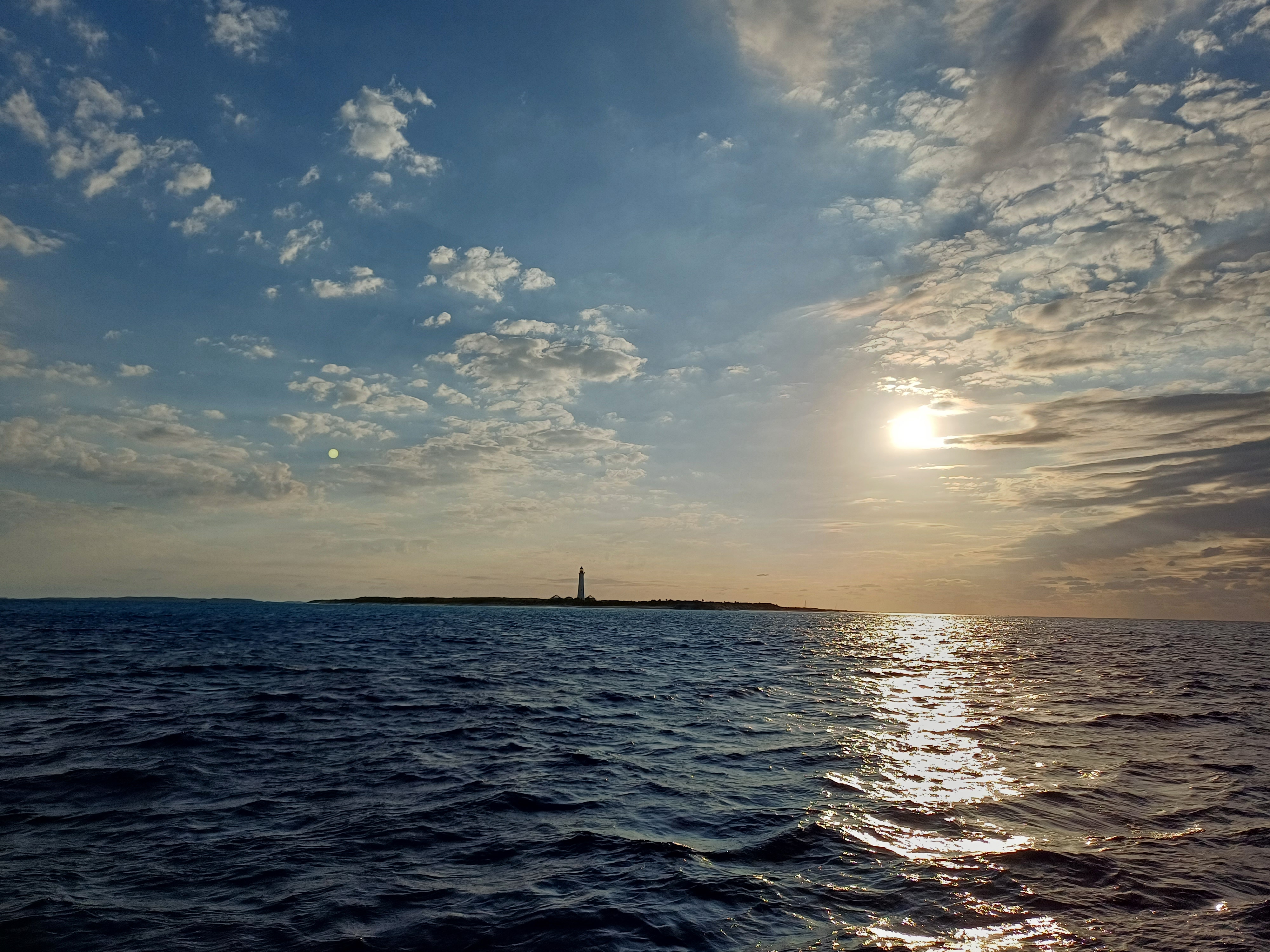
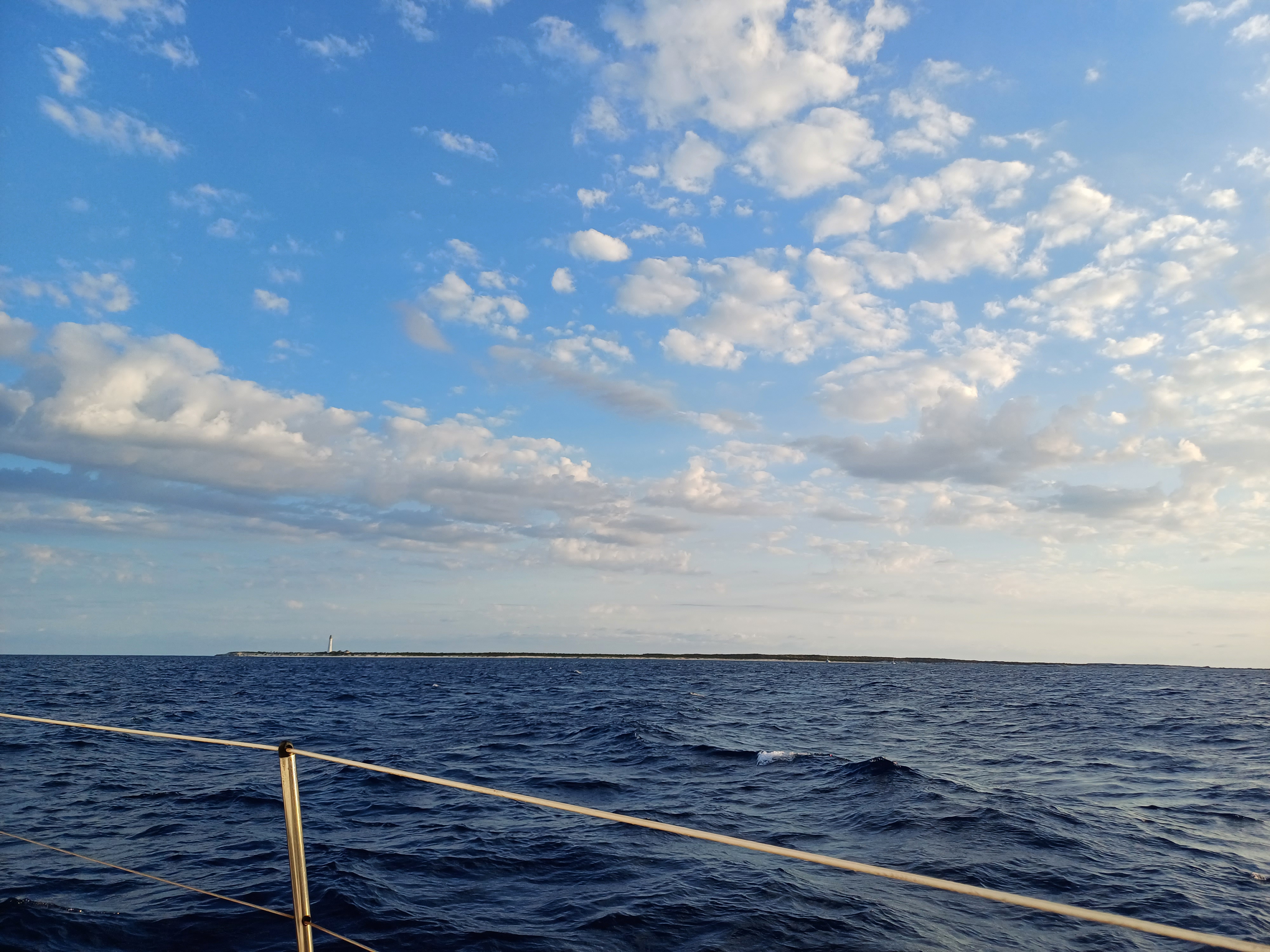
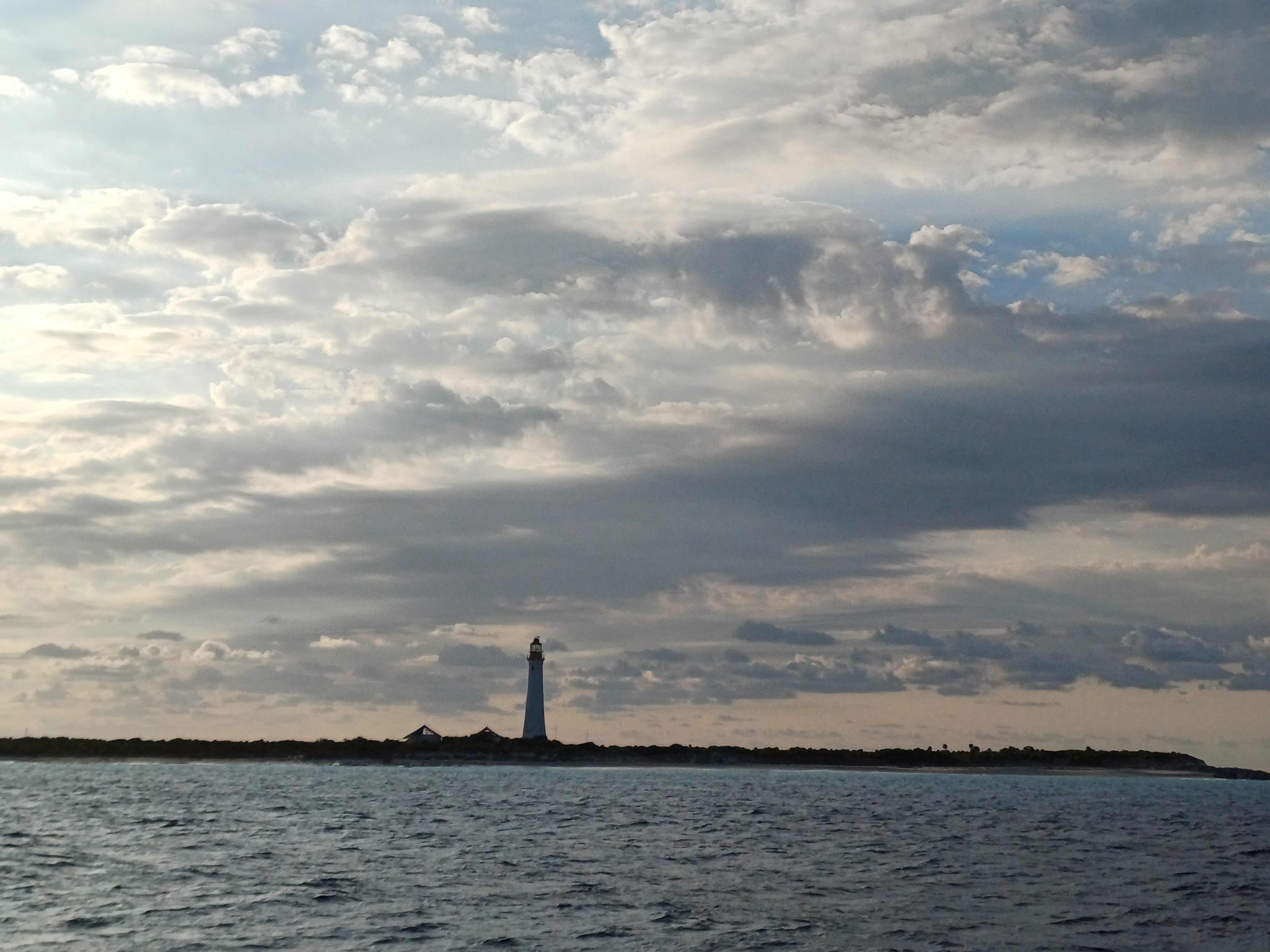
When the wind turned we decided on an overnight sail to our next island. It was about 70nm and sailing overnight meant arriving in daylight and much cooler watches. We were heading for Castle Island at the bottom of Aklins Island, a small island with no castle but an abandoned lighthouse. Arriving at first light, we found two yachts already tucked into the small anchorage so we continued round the lighthouse without a light and up to Salina Point on the main island.
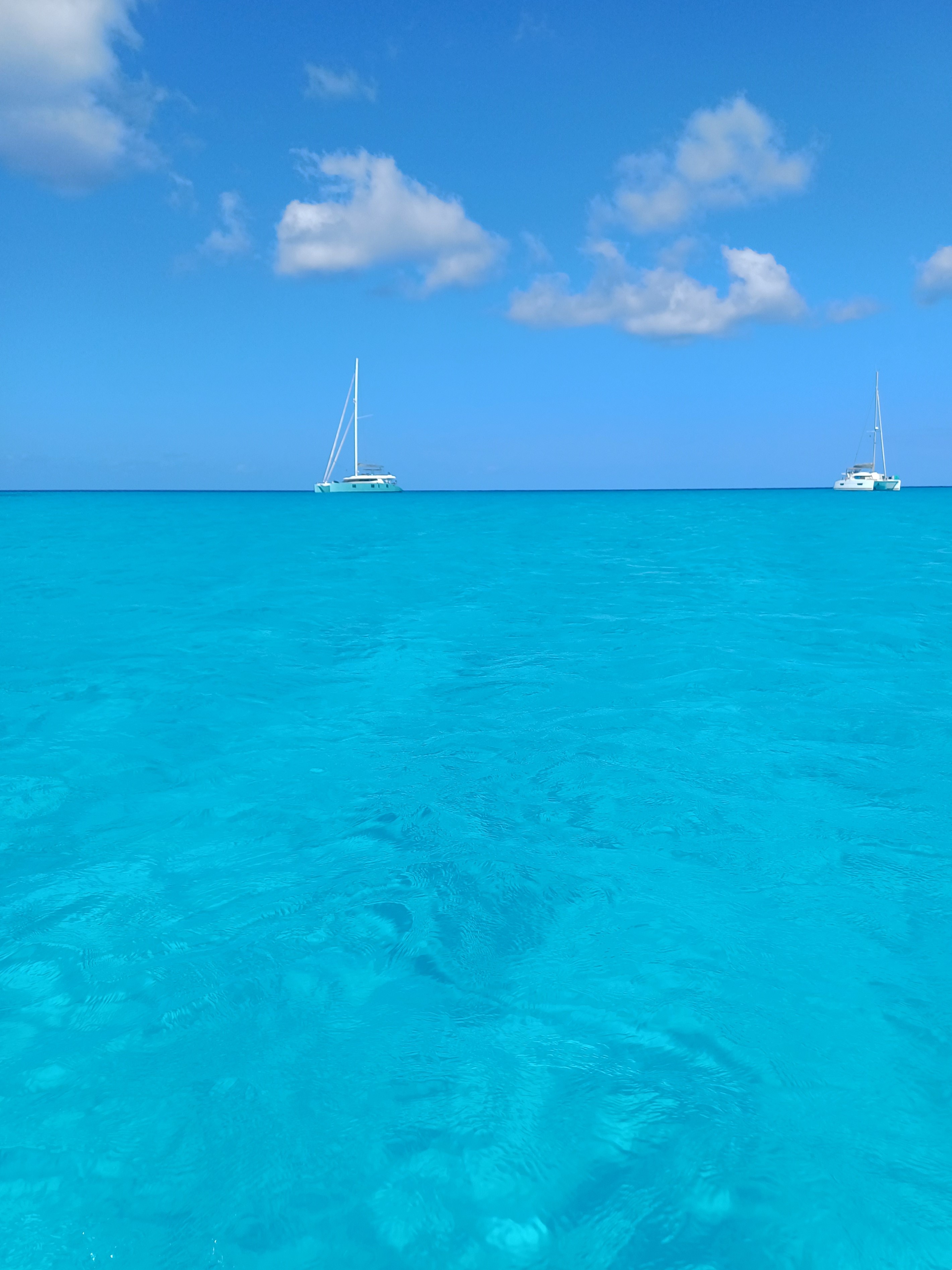
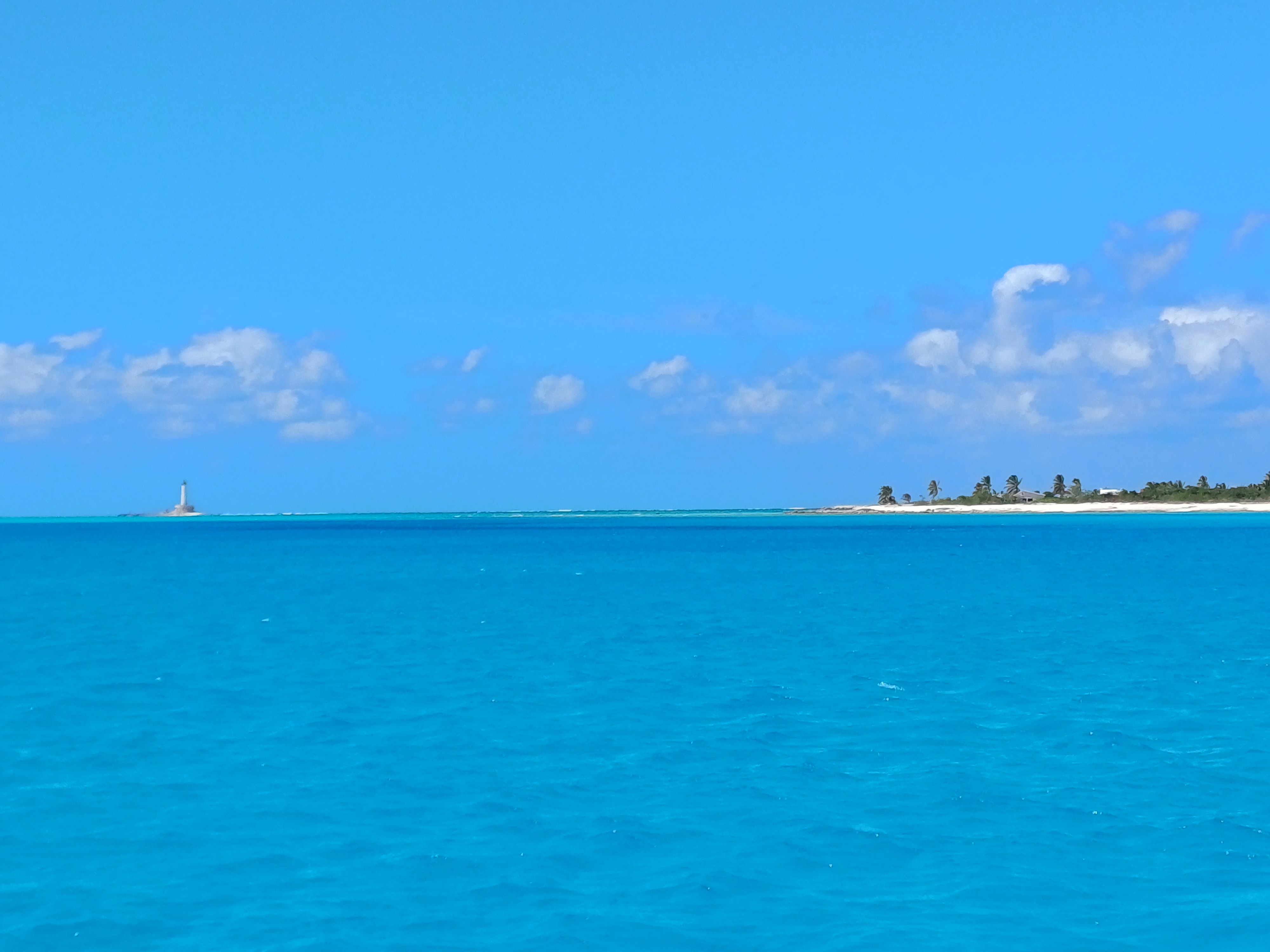
After a quiet night there and with good sailing wind, we moved on to Landrail Settlement on Crooked Island. This small town, named after the Landrail bird that lives there in numbers, promised not one but two shops and we hoped to be able to top up our fresh supplies which were starting to run a little low. Bright turquoise greeted us again in the anchorage and a stunning view along the reef to another disused lighthouse.
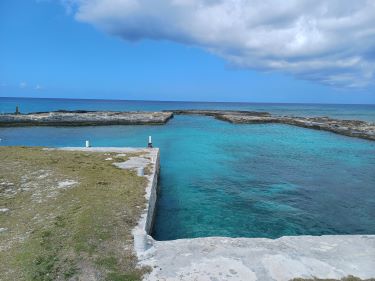
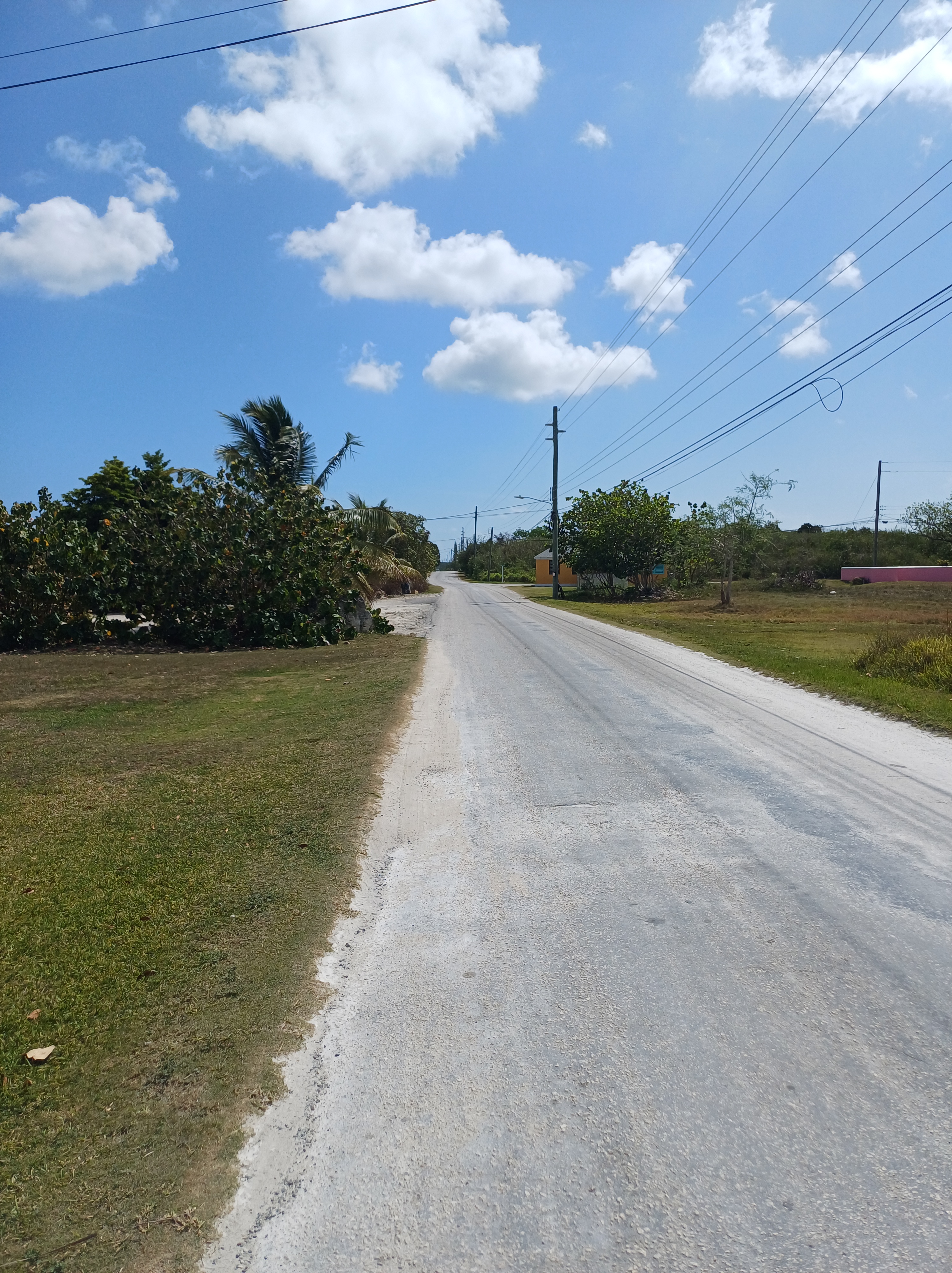
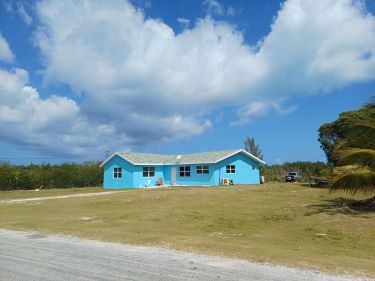

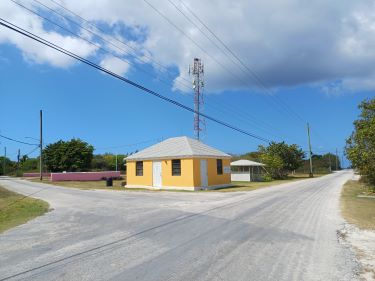

In the morning we dinghied into the tiny harbour cut into the rock. The sides were very rough and Stefan decided to stay with the dinghy while I walked to the shops. Much like Matthew Town, Landrail Settlement was nothing more than a few houses, a little yellow library and a church. All seemed to have been built to the same design.
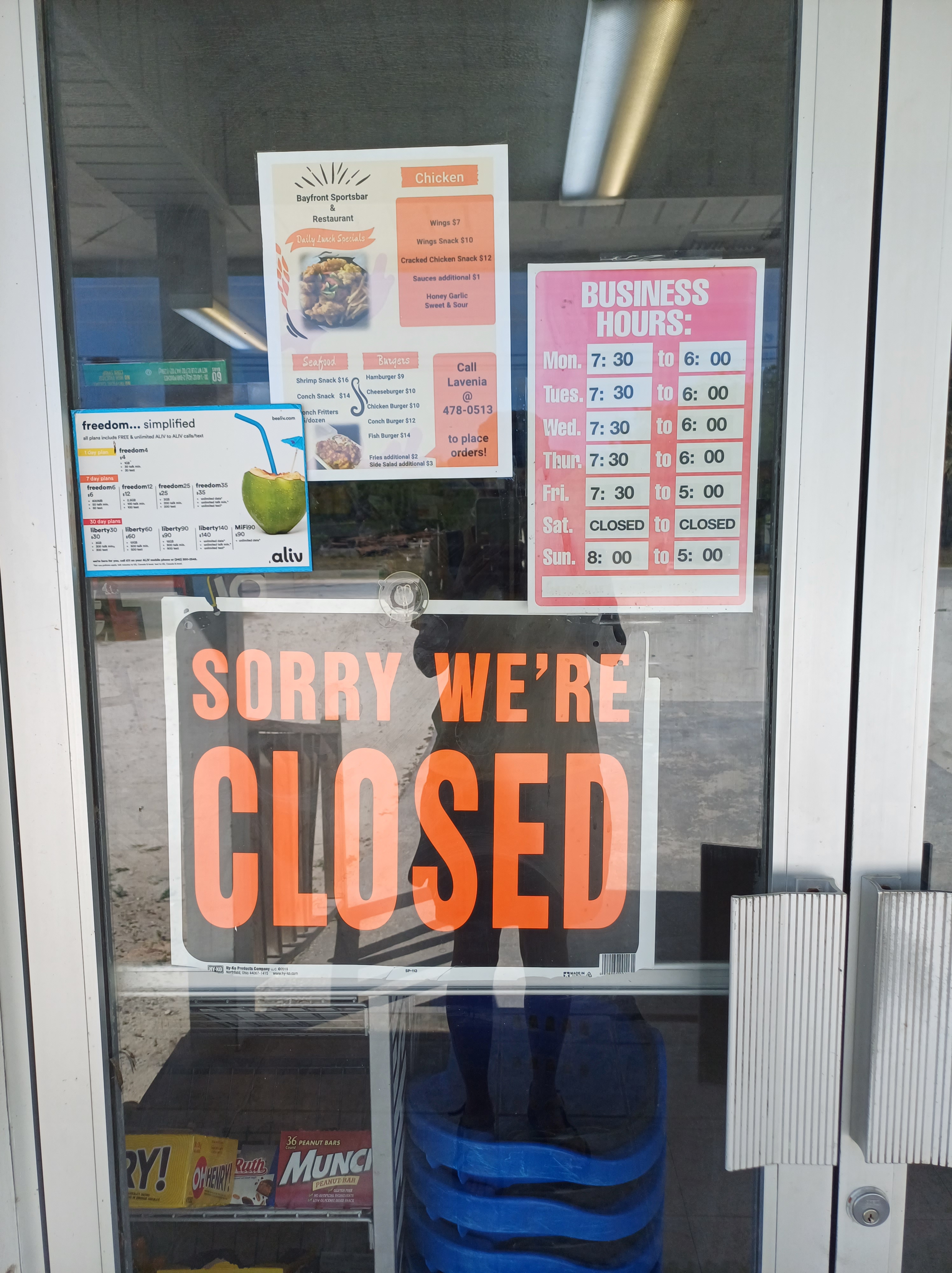
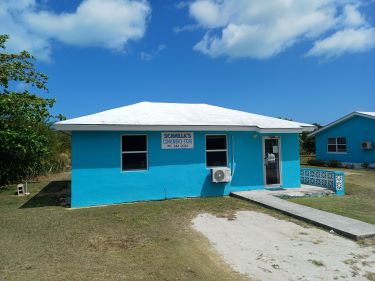
We had read that the people of the Bahamas were quite religious and very conservative. The majority of people on Crooked Island are Seventh Day Adventists. Their holy day is Saturday so we had been careful to go shopping on a Wednesday when the shops should be open. I walked a kilometre up the road to the bigger of the two shops. As I walked the few passing cars and lorries I met beeped a friendly greeting. I arrived to find a closed sign on the shop door. Despite the opening hours stating it should be open, the door was firmly shut and there was definitely no one about.
I walked back down the road and passed a house advertising fresh eggs. I was tempted to stop and get some but we were actually doing OK for eggs so didn’t knock. At the bottom of the road was the small convenience store I had passed on my way up. As I approached, a man was just ahead of me at the door. He tried the handle but it was firmly locked. He knocked but no one answered. As we both walked disappointed back towards the harbour, he told me that he had come over from his home on Aklins Island on the mailboat. Whilst the boat unloaded he had gone in search of a cold soda. I offered him some of my water but he politely declined.
The mailboat is a Bahamian institution. The regular services between the islands originally delivered the mail but became an important transporter of every kind of cargo imaginable. Today they remain vital to the far flung communities of the archipelago and also serve as inter-island transport. They are so important to the daily lives of the people living on the islands that seemingly everything stops when they arrive as people head to the dock to collect packages, parcels and deliveries – including fresh supplies for the shops. I made a mental note to check the schedule before going shopping again.
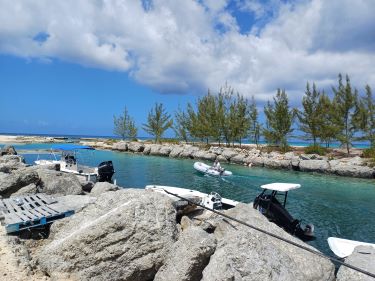
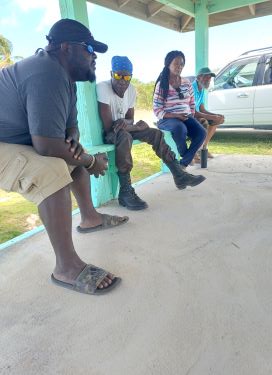
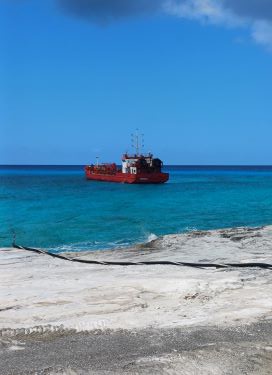

Returning empty-handed to Stefan, I found he had moved the dinghy to a safer spot in a man made channel full of small fishing boats. So we tied the dinghy up and took a walk to the mailboat to see what was going on. We found the mailboat and a fuel boat were in at the same time. We sat in the shade with some waiting passengers and watched a fork lift busy unloading pallets. None looked like groceries so after a while we gave up on any hope of the shops opening soon and returned home. We would have to try our luck somewhere else along the island chain…
 Adventures with Pintail
loving the shell/coral ‘still life’ photo on the beach 🙂
LikeLiked by 1 person