
10 to 13 August 2024
As soon as Debby had blown through, the sun came out and we could resume our visit of the US capital. Over the weekend, we got to spend more quality time with Meredith and her family at their home just up the Metro line in Rockville
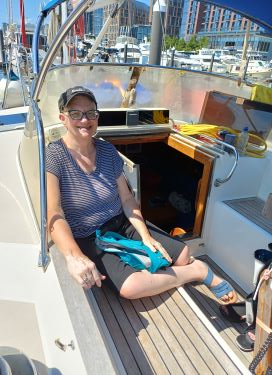
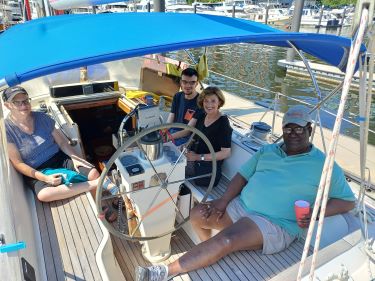
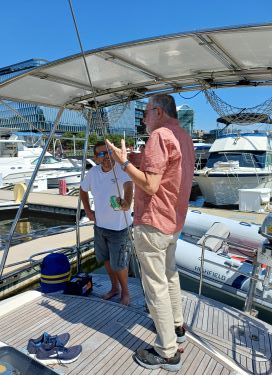
and, along with her parents, they all came to visit us in the marina.

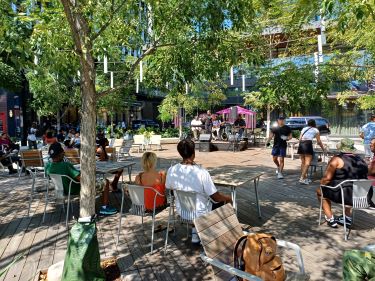
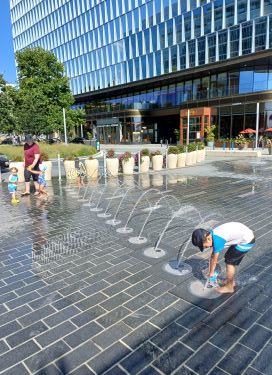

Whilst Stefan, Roy and Sam stayed behind on Pintail to talk politics and economics, Meredith, Tami and Evan accompanied me on a stroll along Waterfront. This former commercial dock area, is now alive with restaurants, bars and hotels. That Sunday there was live music and children playing in the fountains. We might have ended up in the Waterfront branch of Politics and Prose, DC’s famous bookshop and I might have added another book to Pintail’s groaning library but we definitely ended up on the swings at the pier.
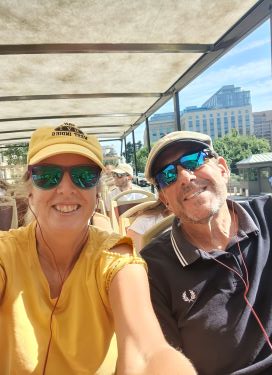

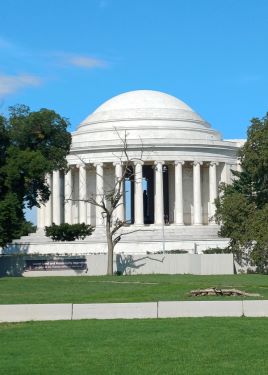

With a couple of days still to go in DC and so many more sights to see, we hopped on Stefan’s favourite hop on/hop off bus tour to tick off as many as we could. We passed the Washington Memorial again and got a closer look at the Jefferson Memorial before crossing the Potomac into Virginia again to visit Arlington.
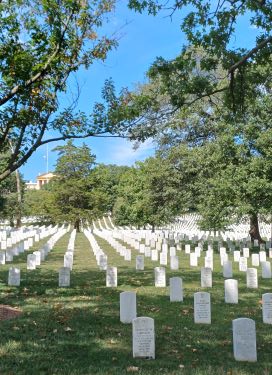

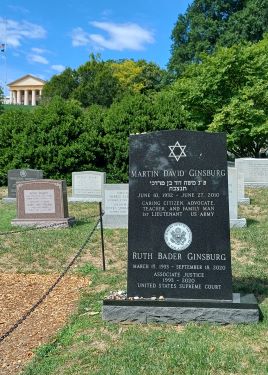

To say Stefan is a fan of a war cemetery sounds a bit wrong but he had wanted to visit Arlington National Cemetery since he watched that opening scene in Saving Private Ryan. Whilst the cemetery is the final resting place of over 400,000 active duty service members and memorialises those who fought in every war since the founding of the country, unlike most other war cemeteries it is also houses the graves of other significant figures in US history. The gravesite of JFK and Jackie Kennedy Onassis is guarded by an eternal flame and I was able to pay my respects to a legal hero of mine, Ruth Bader Ginsburg, known as the Notorious RBG for her brilliant contributions to ensuring justice and equality for all in her life as a lawyer and later Supreme Court Justice. We discovered that the wives and husbands of those service people buried at Arlington are also allowed to be buried there, with their names etched on the reverse of their spouse’s grave.

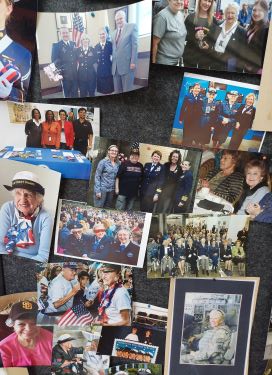


The highlight for us, however, was the Military Women’s Memorial which remembered the women of the miliary services and the contributions they have made – women like Harriet Tubman who, amongst her other extraordinary abolitionist activities, served as a spy for the Union Army during the Civil War and Michelle Howard, the first African American woman to command a US Navy ship, later holding the second highest rank in the Navy, and best known for her role in securing the rescue of Captain Phillips from Somali pirates in 2009.


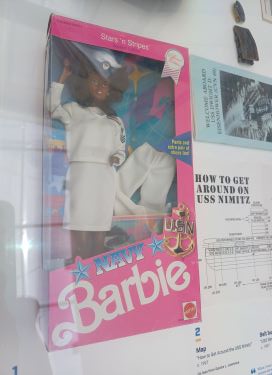


Dedictated spaces honouring women’s role in the military are scarce and it was so refreshing to find this one which told their stories.
We hopped on the bus again and off at the National Mall to make our own walking tour of some of its monuments. Recreating the walk I had taken back on my first visit, I turned tour guide
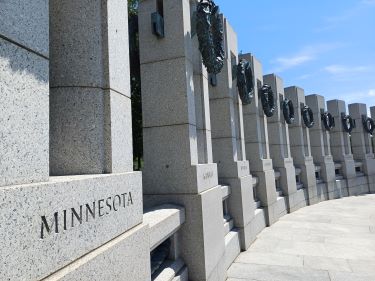

and guided us through the huge, circular WWII memorial with a pillar for each US State and Territory
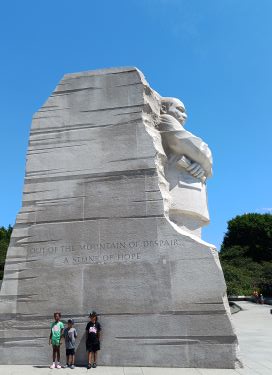

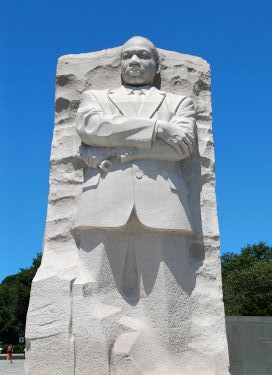
to the powerful memorial to Martin Luther King Jr, inspired by a line from his I Have A Dream speech. “Out of the mountain of despair, a stone of hope.”
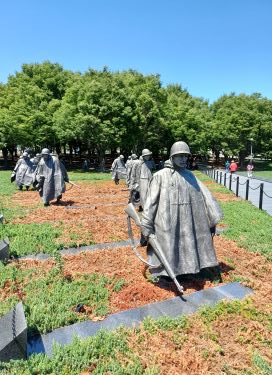

We moved on to the moving reflections of the Korean War Memorial
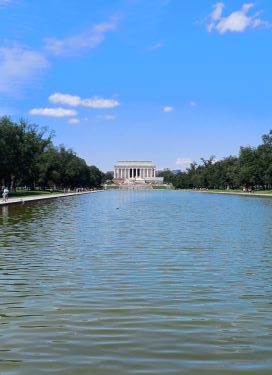

and the nation defining Lincoln Memorial (where renovation work forebade us from standing on the spot where MLK made his famous speech)

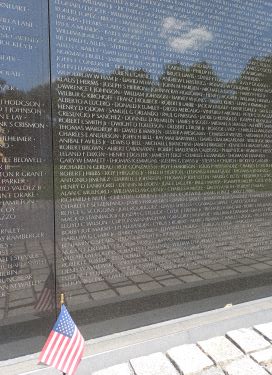
to the heart-wrenching Vietnam War Memorial with its seemingly endless lists of names.
The next stop on our walking tour was to be the White House and we wandered through the Ellipse, the President’s Park South, which I knew from my first visit would get us as close as we would get to this iconic building. However, just as we approached the fence and before Stefan caught his first glimpse of Joe Biden’s official residence, an armed Police Officer politely but very firmly asked everyone to leave the park.
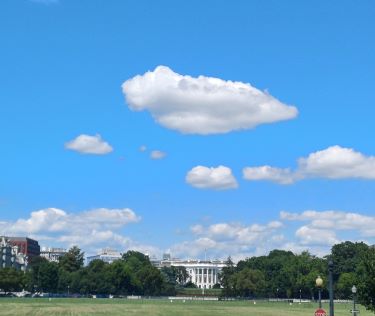
So we returned to the bus stop and hopped back on the next bus from which Stefan got this rather more distant glimpse instead.
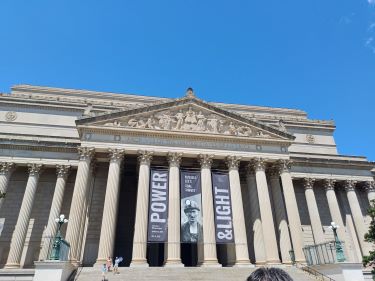


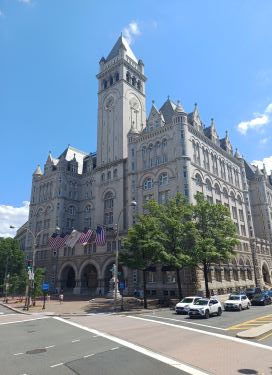

The bus tour continued passed more Federal buildings, under Friendship Arch into China Town and passed ornate old department stores and fancy hotels. Right at the end we got a glimpse of the Capitol Building but that would have to wait until tomorrow. The top deck of the bus was scorching hot in the August sun and we were rather glad when the tour finished and we could return home.
We had been rather surprised that, given the events of 6 January 2021, the public were still allowed anywhere near the Capitol Building, the seat of the US Government’s Congress with its House of Representatives and Senate but we were able to book ourselves on a free tour of the building.

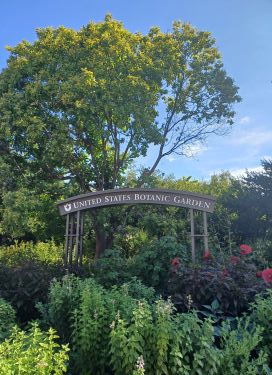
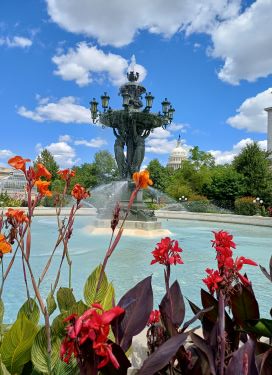
On our walk to the Capitol, we passed two more DC landmarks – a memorial to President Eisenhower and his role in WWII and the United States Botanic Gardens.
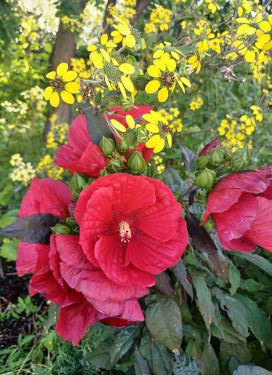




Never known to pass up an opportunity to visit a botanic gardens, we found a lovely shady spot full of gorgeous scented roses complete with an Islamic style pool and children’s garden. It made us think of the Alameda Gardens in Gibraltar until we looked up to see the Capitol Building looming above it.

Security seemed rather casual as we approached arguably the most important building in the country.
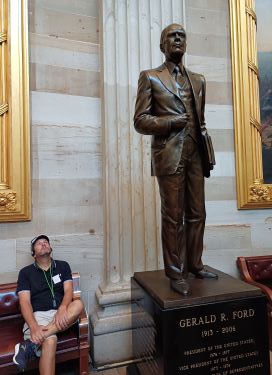
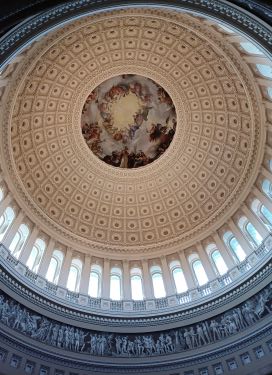


The Capitol’s rotunda with its iconic 183 foot high dome is in itself a lesson in US democracy. Its curved walls house statues of presidents past and huge paintings depicting significant events in the history of the United States from the arrival of Columbus (yep, no escaping him even here!) through the surrender of Lord Cornwallis at Yorktown to the signing of the Declaration of Independence.


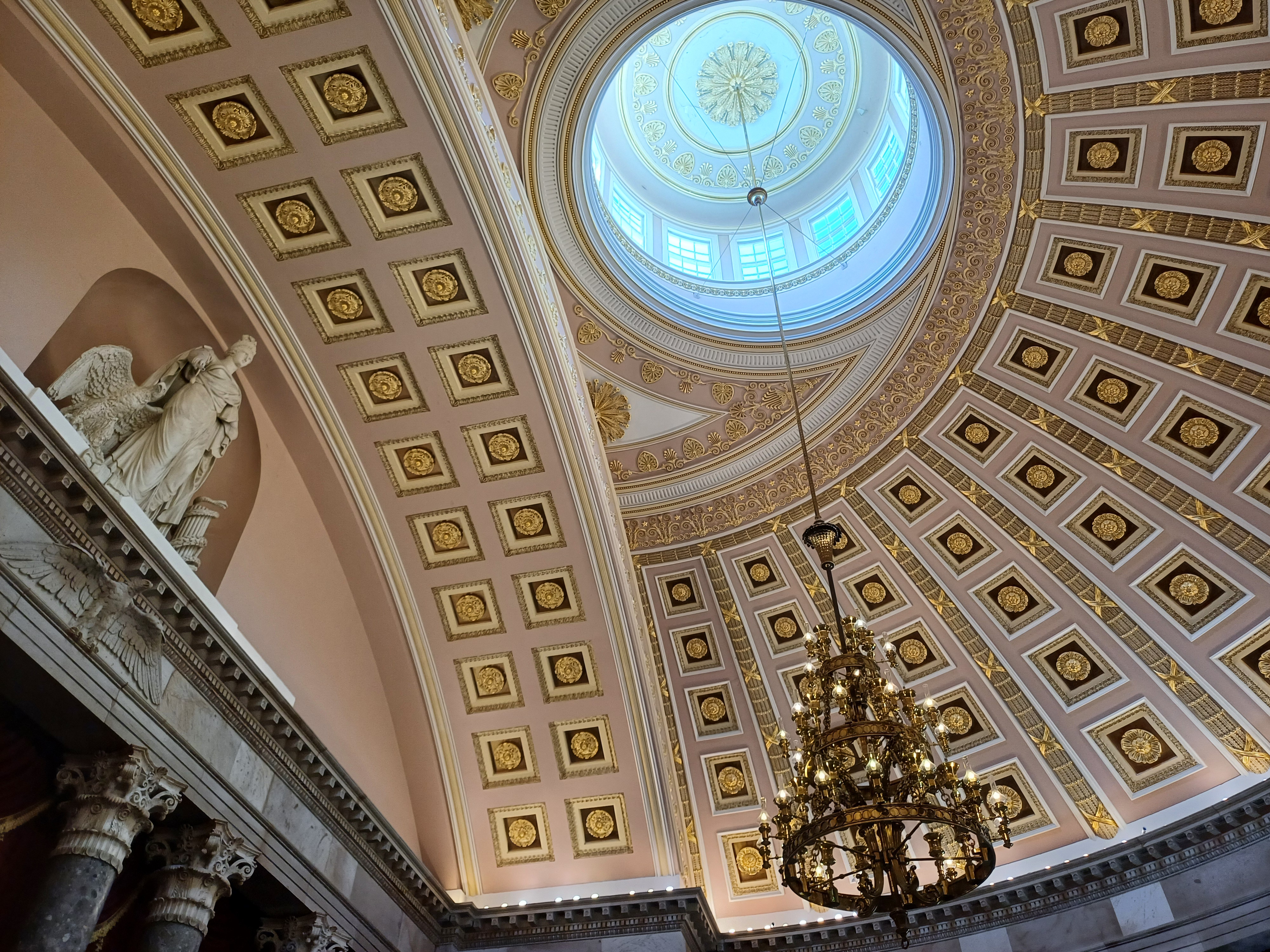

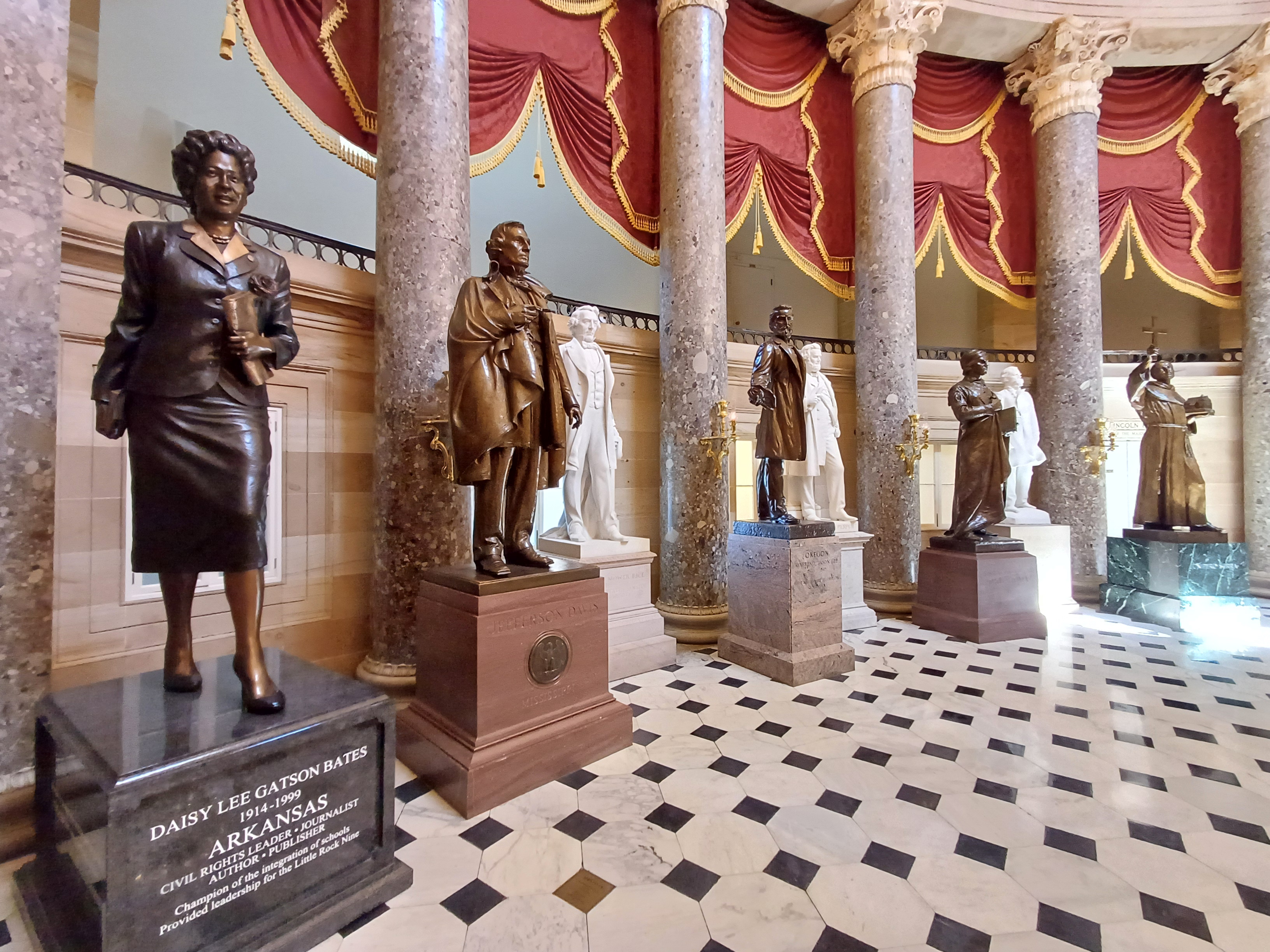
Almost as impressive is the National Statuary Hall which houses a collection of statues nominated by each State of a figure of importance to them. Amongst a fair few white men, it was good to see important Native American figures represented as well as a number of women from the Civil Rights movement including Daisy May Gatson Bates and Rosa Parks. It was a really good tour but we were definitely not going to be left to roam unchaperoned. We could have surrendered our mobile phones and visited the two chambers of Congress but as neither was sitting we headed to another important building in the Federal Government structure opposite.
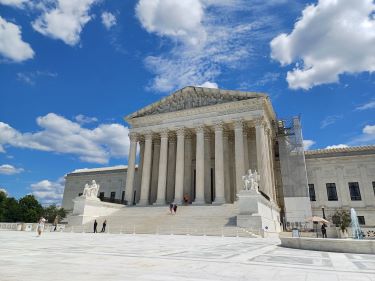


An equally impressive building, the US Supreme Court is the ultimate arbiter of all civil and criminal legal disputes and has the unenviable responsibility for upholding the Constitution. Now, we confess to being fans of a visit to a court. Perhaps its the lawyer in me but you can tell a lot about a country from its justice system. Our visit to the High Court in Canberra, Australia was one of the highlights of that trip for us.
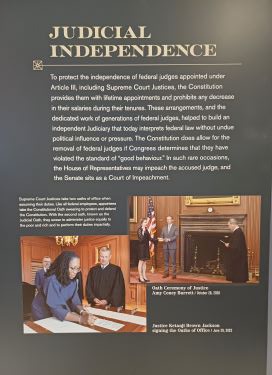


The US Supreme Court is the third branch of the Federal Government. However, it is definitely not independent in the way the UK Supreme Court is independent of party politics. After all, its judges are appointed by the President for life. The death or retirement of a judge during a particular Presidency can swing the political leaning of the Court one way or another. When the brilliant RBG died in 2020 during Trump’s Presidency, he filled her place with conservative Amy Coney Barratt who would go on to vote to overturn the decision in Roe v Wade which had protected the right to abortion in the US since 1973.


However, the role of the Supreme Court in being a force for good was demonstrated very powerfully in an exhibition about the case of Brown v Board of Education – a landmark case in the Civil Rights movement and one which lead to the end of segregation in schools. It was a case that introduced us to the lawyer Thurgood Marshall, who represented the Little Rock Nine in their case to be allowed to attend their local High School. In 1954 his persistence saw the case come before the Supreme Court who ruled that segregation was a violation of the Fourteenth Amendment to the US Constitution.
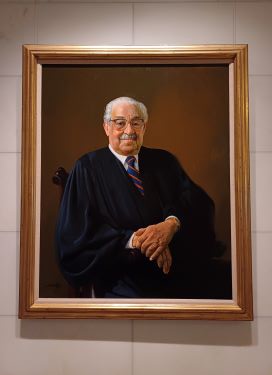

In 1961 JFK would appoint Thurgood Marshall as a Supreme Court Judge and he would continue to use his position to promote equality for all. He voted for the right to choose in Roe v Wade in 1973 and was a vocal opponent of the death penalty. We had found ourselves another justice hero to add to the Notorious RBG!
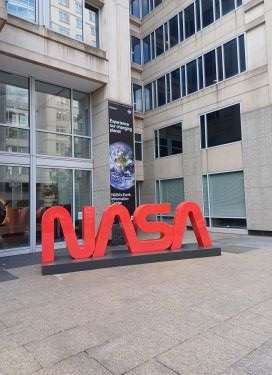

We’ve had the privilege of sailing into a number of other capital cities. We had amazing times exploring Rabat, Athens and Lisbon but DC was such an easy city to visit, with so many places of interest and importance literally on our doorstep and walkable from the marina. There was no mistaking just how important it is as a city – from the patriot missiles we spied along the Potomac as we entered to the 40 vehicle Presidential cavalcade that closed roads and whizzed passed us one day (I did not think it sensible to whip my phone out to film that and it went so fast we couldn’t see whether it was Joe or Kamala inside!) Yet despite its importance and all that security, it fast became one of our favourite cities.
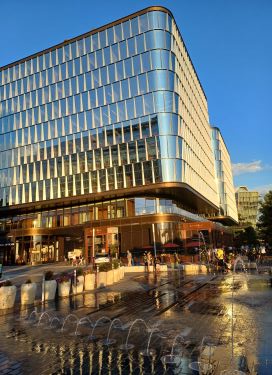


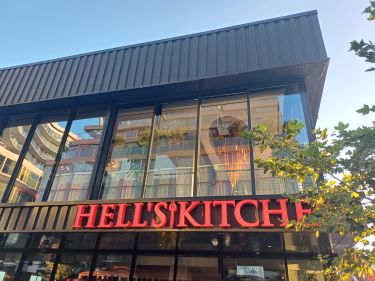
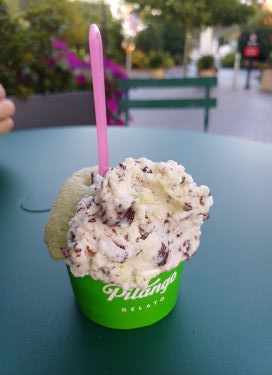

Before the sun set on our stay in the marina we took one last stroll through Waterfront (with its two Gordon Ramsey restaurants just to make us feel extra at home!) and treated ourselves to an ice cream…
 Adventures with Pintail
Fearsome Harriet! And she finally hit a film about her 😀
LikeLike